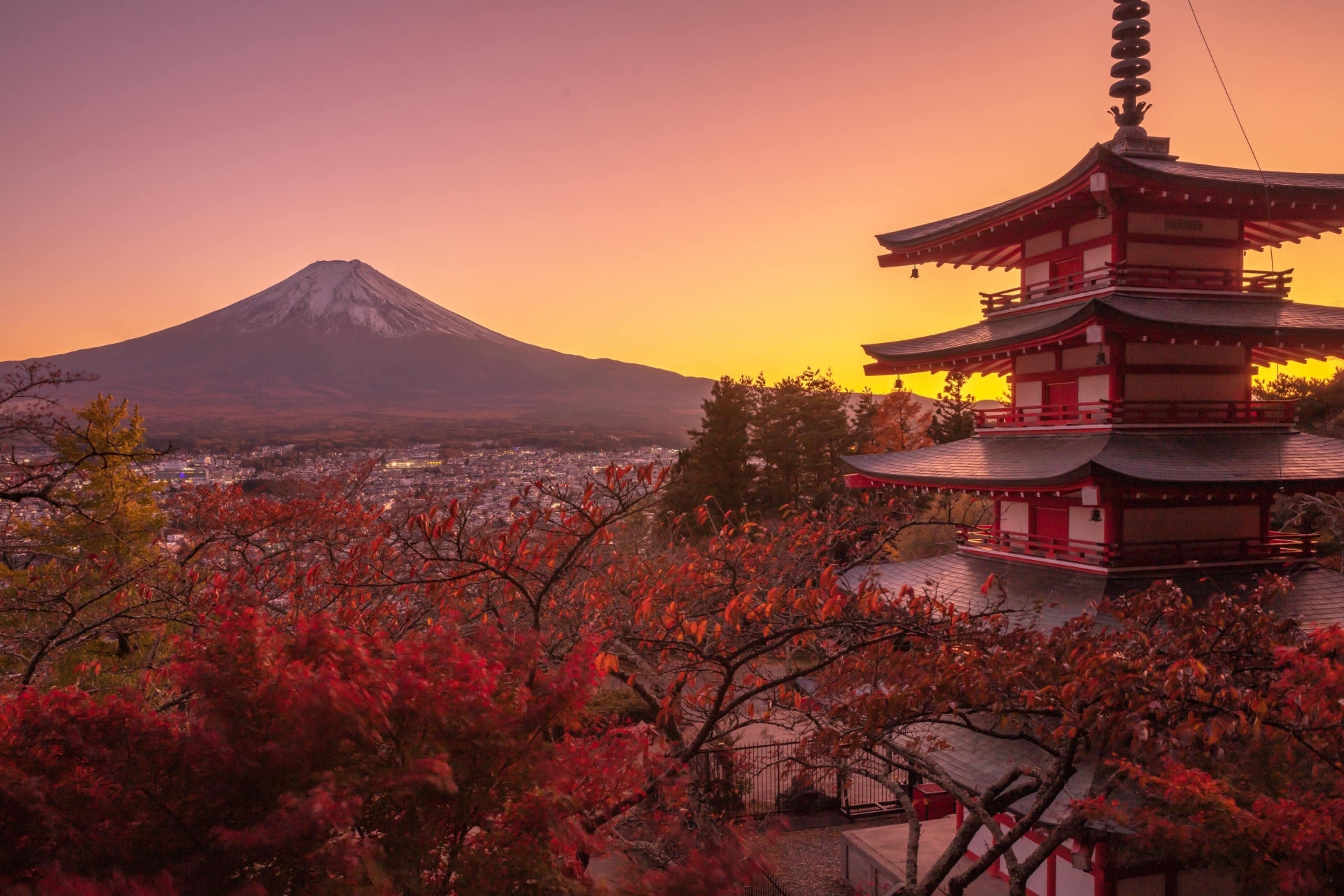


Fujisan Hongu Sengen Taisha is one of the cultural assets included in the UNESCO World Cultural Heritage listing “Fujisan: Sacred Place and Source of Artistic Inspiration.” It serves as the head shrine of all Sengen shrines, enshrining Mt. Fuji itself as the sacred deity.
In addition to being located over one of Mt. Fuji’s strongest earth energy sources, the shrine is also known as a place where visitors can feel the pure water energy flowing from Mt. Fuji’s underground springs. Because of its powerful spiritual atmosphere, it has long been admired by famous military leaders such as Minamoto no Yoritomo, Takeda Shingen, and Tokugawa Ieyasu, and is widely regarded as one of Japan’s most significant power spots.
In this article, we introduce the key highlights of Fujisan Hongu Sengen Taisha, one of Japan’s most spiritual and historically significant shrines connected to Mt. Fuji.
If you are planning to visit Fujisan Hongu Sengen Taisha, or simply want to learn more about this sacred Mt. Fuji shrine, we hope this guide will be helpful.
Ichino Torii Gate (First Torii Gate)
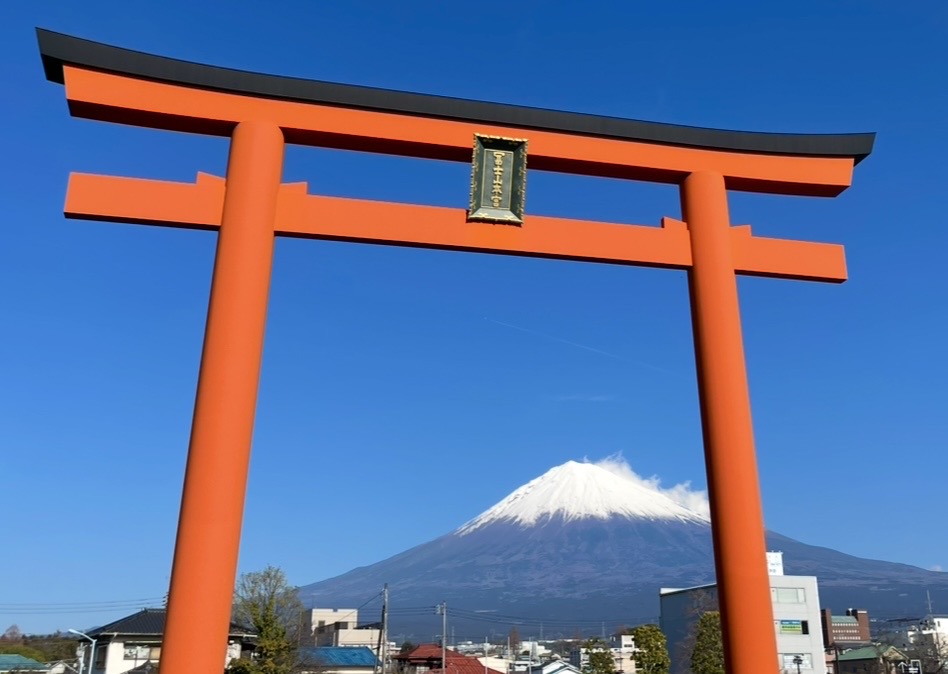
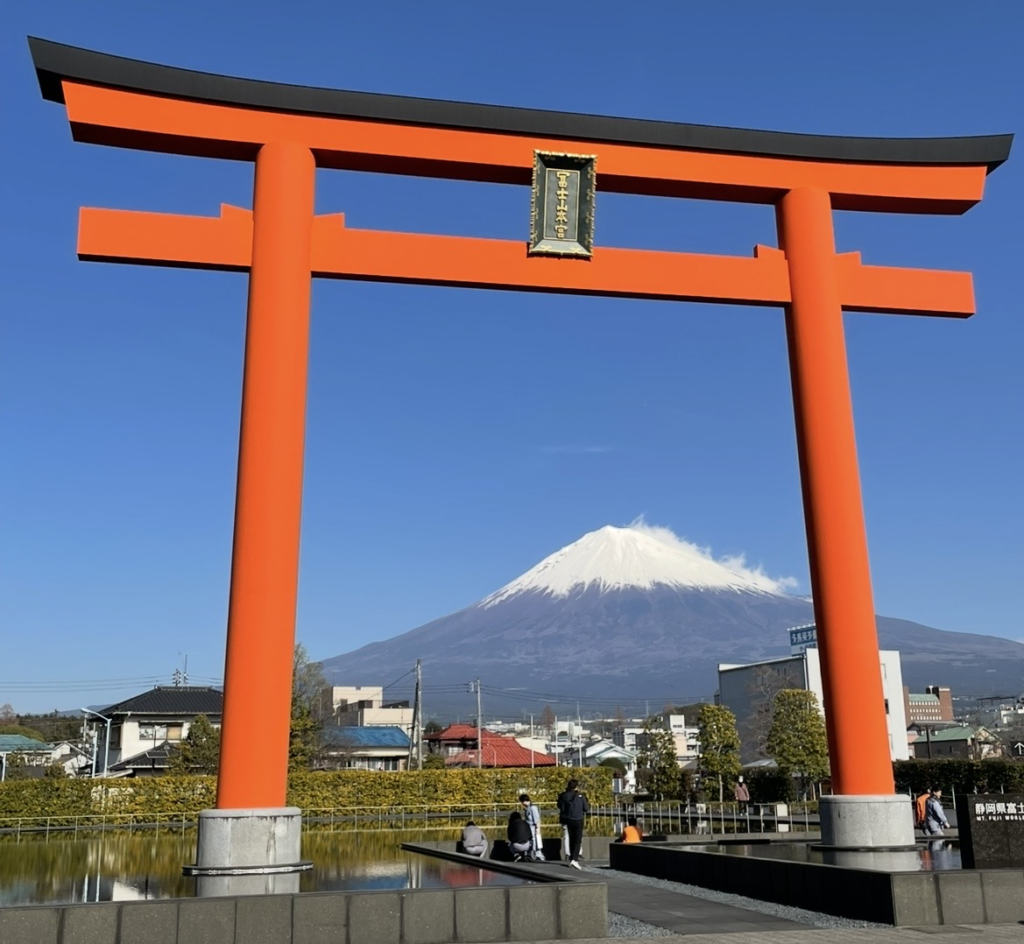
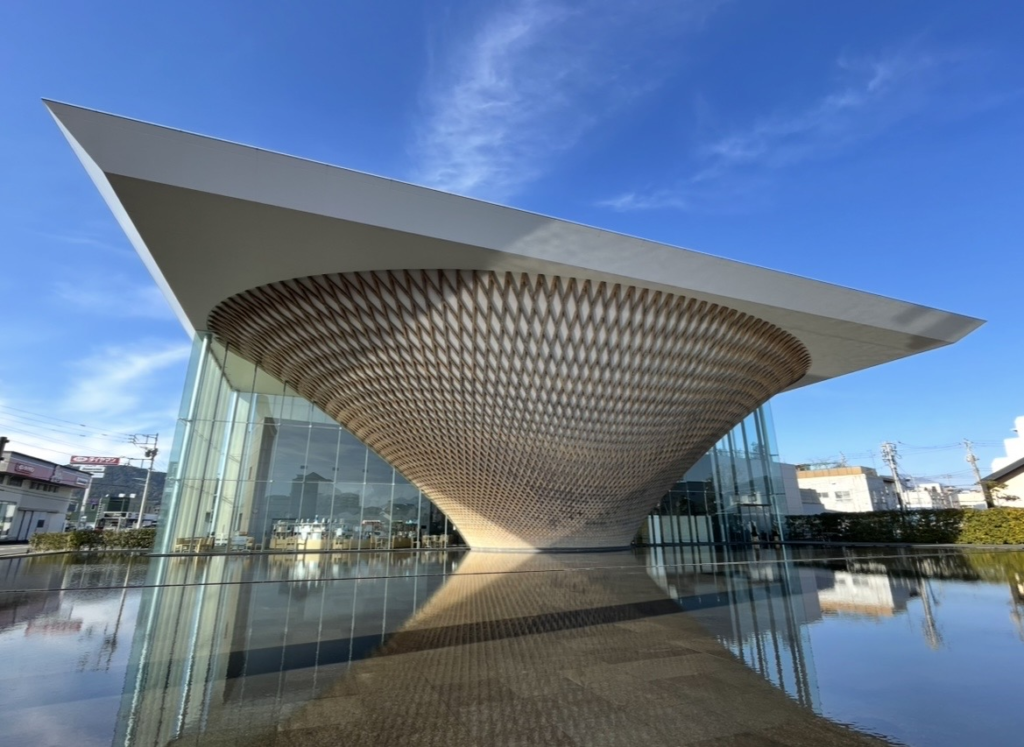
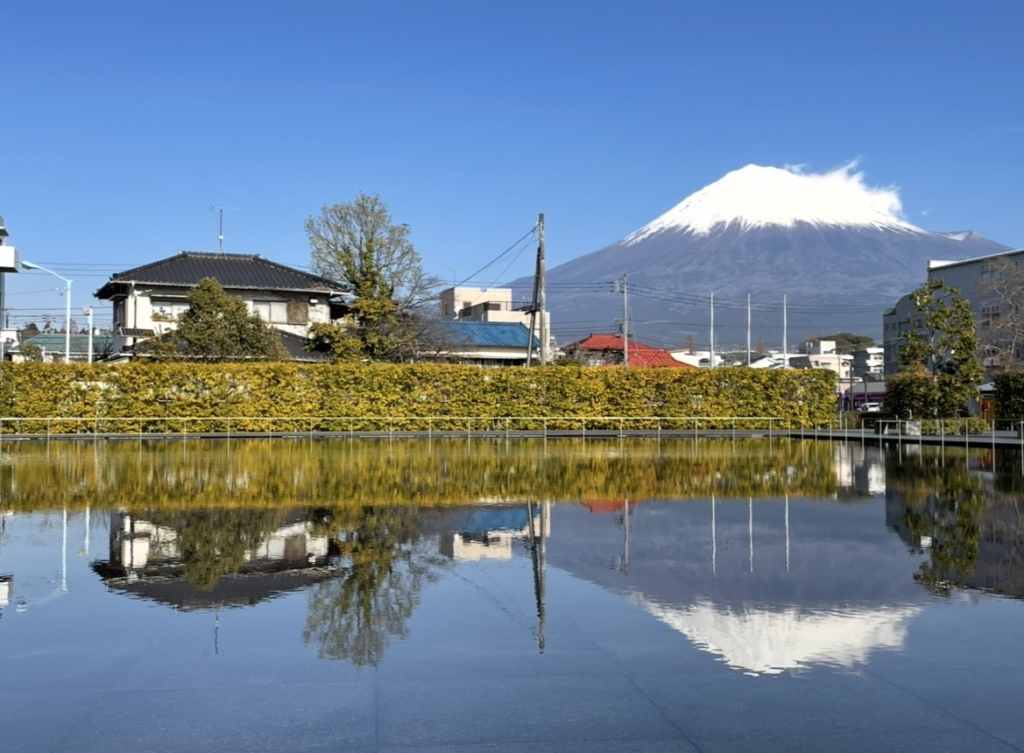
Ichino Torii is a large torii gate standing along Prefectural Route 414 on the south side of Fujisan Hongu Sengen Taisha. With an impressive height of 16 meters, it is known as a photogenic spot where you can enjoy a magnificent view of Mt. Fuji framed between the two pillars of the torii gate. Right next to the torii is the Mt. Fuji World Heritage Center, making it convenient to visit both the shrine and the center in one trip. In front of the Mt. Fuji World Heritage Center, there is a pond where you can also enjoy a miniature reflection of upside-down Mt. Fuji.
Yabusame Archer Statue (Horseback Archery Monument)
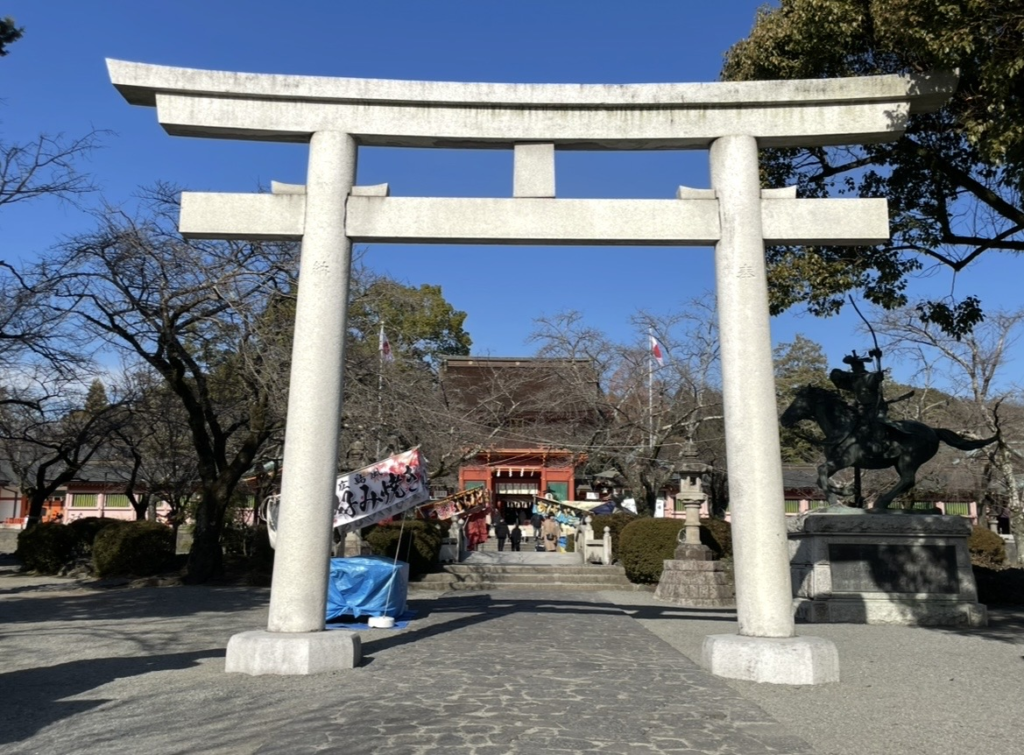
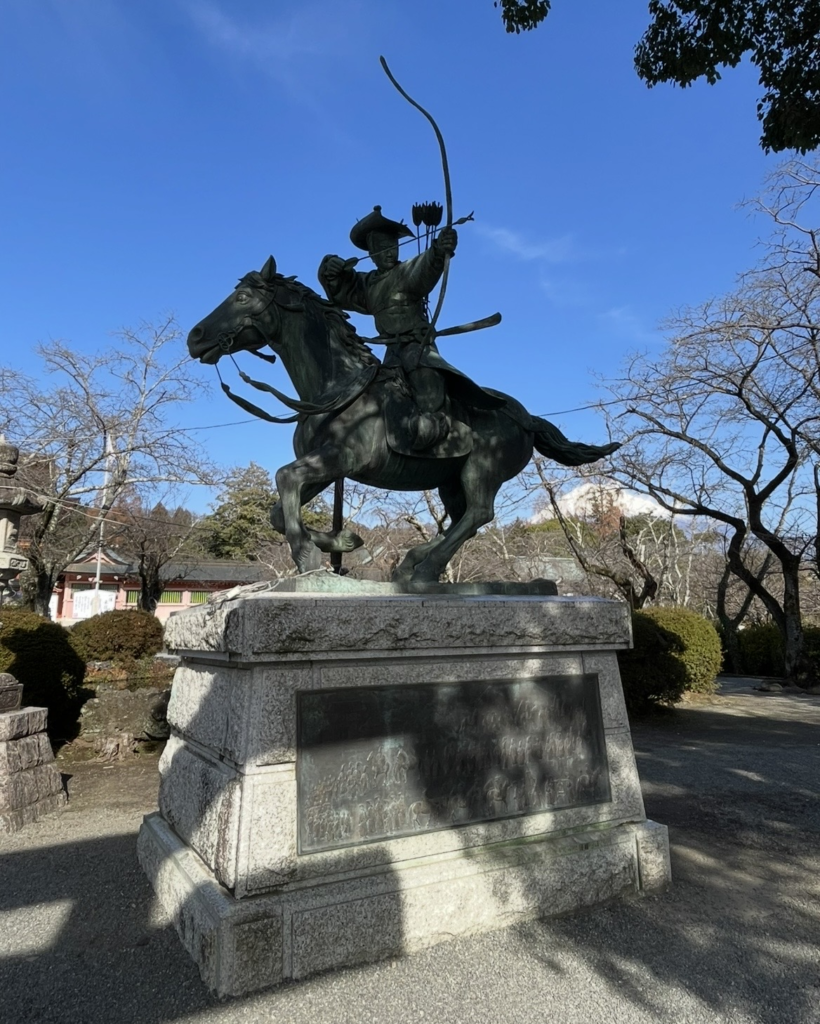
The Yabusame statue is a bronze sculpture located to the right of the Third Torii Gate after passing through the main approach. According to tradition, in May 1193 (Kenkyū 4), Minamoto no Yoritomo visited Fujisan Hongu Sengen Taisha while leading Kamakura samurai during a large hunting expedition at the foot of Mt. Fuji. It is said that he dedicated a Yabusame horseback archery ritual to the shrine. Based on this origin, the Yabusame Festival is still held every year on May 5 at Fujisan Hongu Sengen Taisha.
Romon Gate and Hokotate Stone
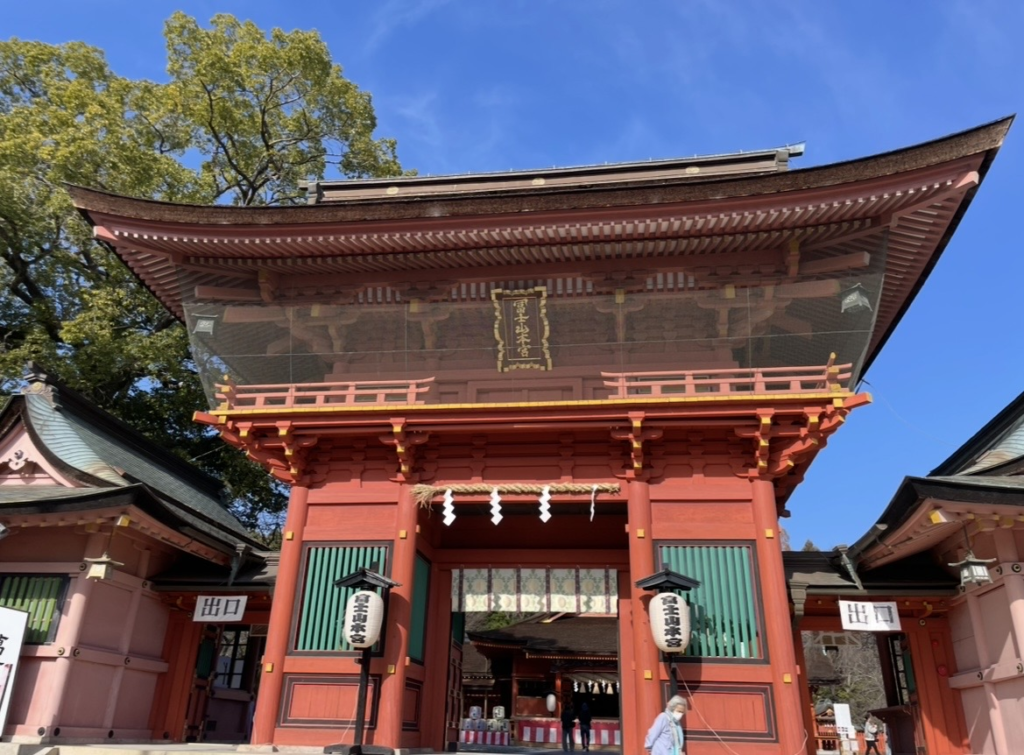
The Romon Gate was constructed in 1604 (Keichō 9) by Tokugawa Ieyasu as an expression of gratitude for his victory in the Battle of Sekigahara. Today, it is designated as a Tangible Cultural Property of Shizuoka Prefecture.
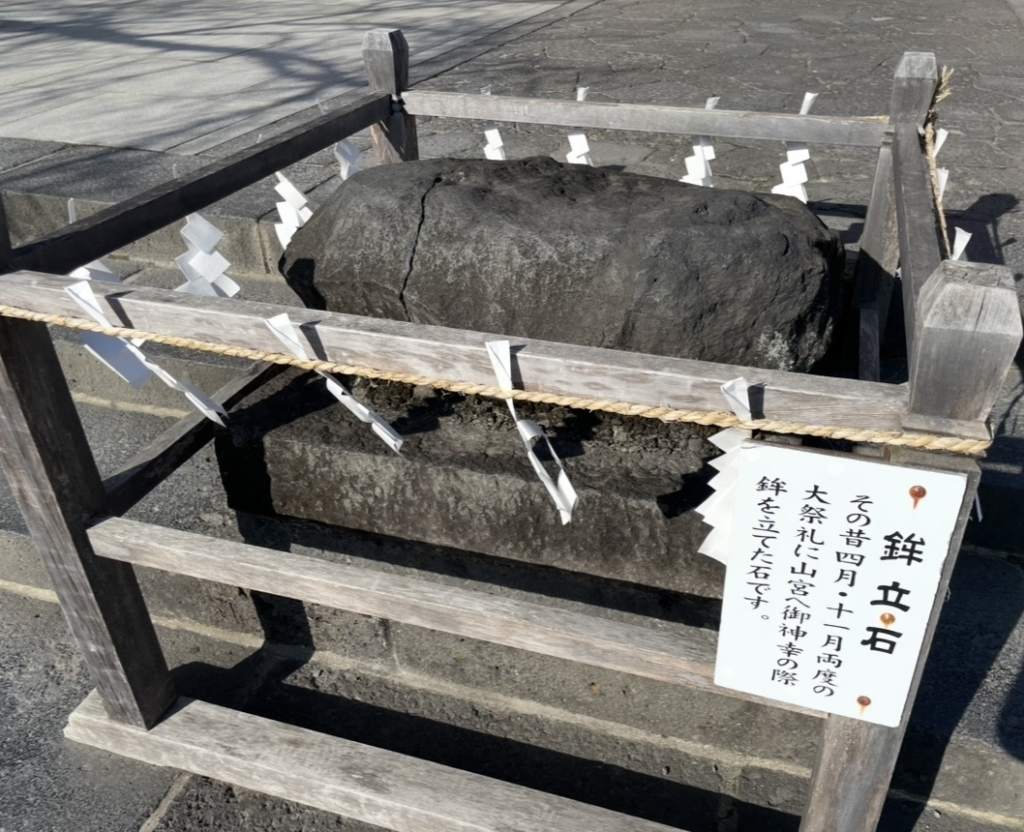
In front of the Romon Gate stands the Hokotate Stone, which was used during the Yamamiya Goshinkō procession—an event held until the early Meiji period—where the sacred halberd carrying the divine spirit was placed to rest.
Haiden – Main Worship Hall of a Shinto Shrine
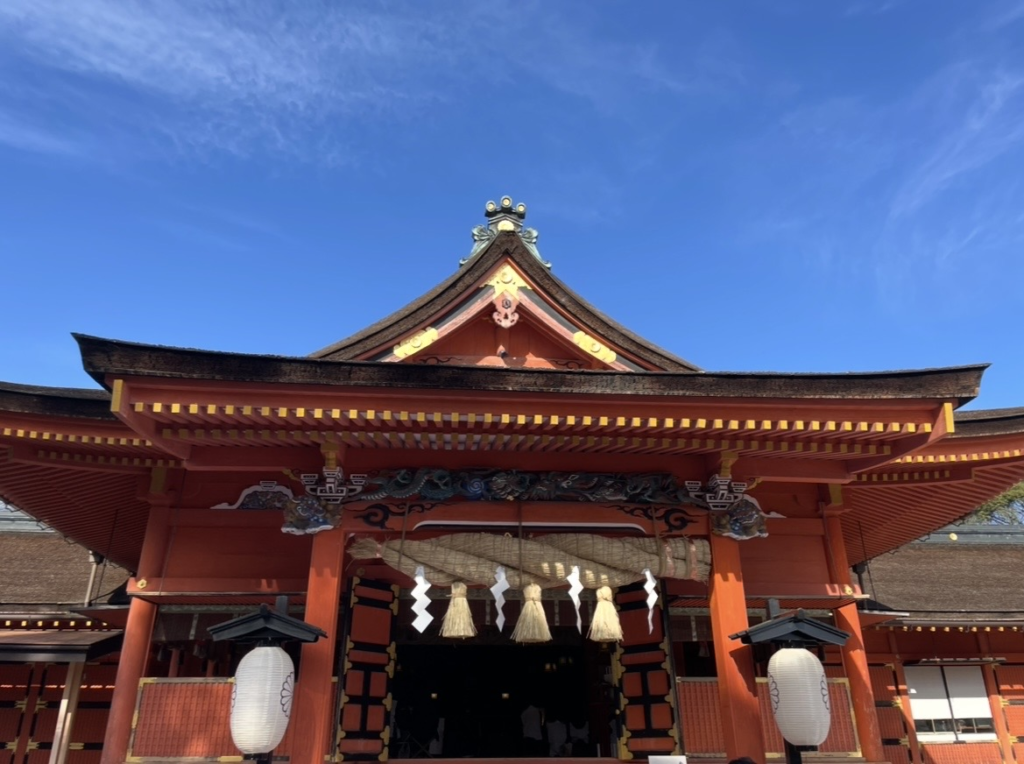
The Haiden (Main Worship Hall) was built in 1604 (Keichō 9) by Tokugawa Ieyasu, just like the Romon Gate, as part of his shrine construction efforts. The original structure still remains today and, together with the Honden, is designated as an Important Cultural Property of Japan.
The hall measures five bays in width and three bays in depth. The front section is constructed in the irimoya style, while the rear uses the kirizuma style. The roof is finished with traditional hiwada-buki cypress bark shingles, and both the exterior and interior are coated in vivid cinnabar lacquer. Behind the Haiden stands the Honden, built in the rare Sengen-zukuri architectural style—found only in a few locations nationwide—where decorative elements include the Tokugawa family crest.
Sakura Fortune Charms at Yagutama Pond
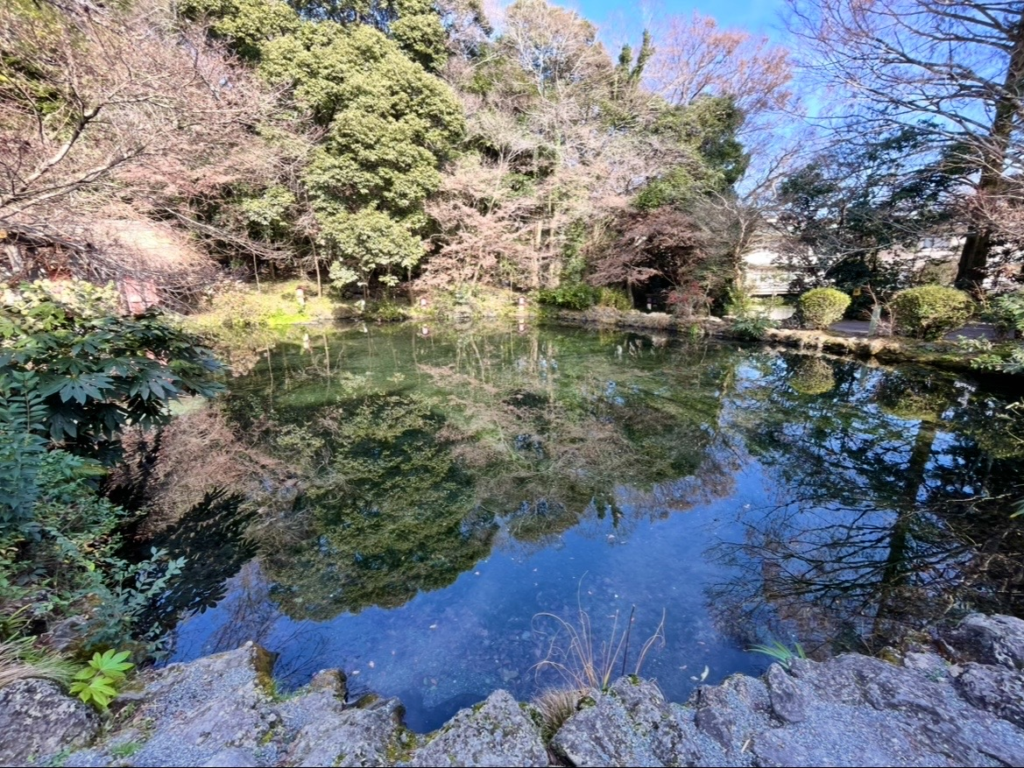
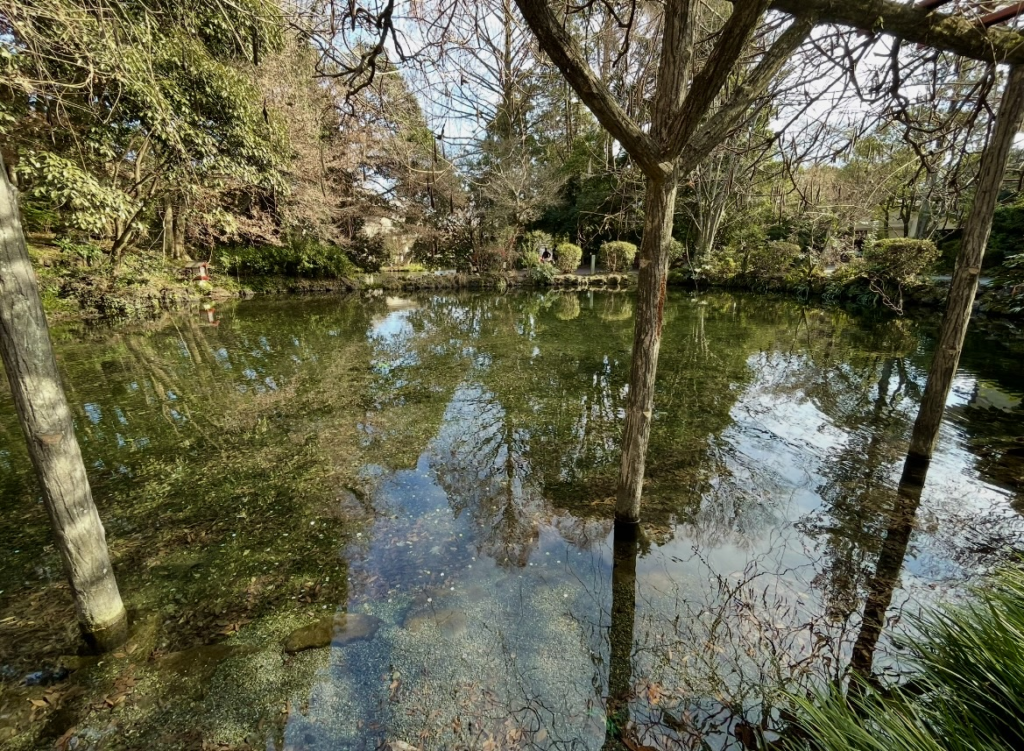
Yagutama Pond is a nationally designated Special Natural Monument, known for its spring water that originates from melted snow of Mt. Fuji. It is also selected as one of the “Heisei 100 Exquisite Waters of Japan.” Since ancient times, the pond served as a purification site for pilgrims climbing Mt. Fuji. Visitors would cleanse themselves here before beginning their ascent. Approximately 200,000 tons of spring water flow from the pond’s bottom each day, maintaining a stable temperature of around 13°C throughout the year. This constant flow and temperature create exceptionally clear, pristine water that allows visitors to enjoy its beautiful transparency.
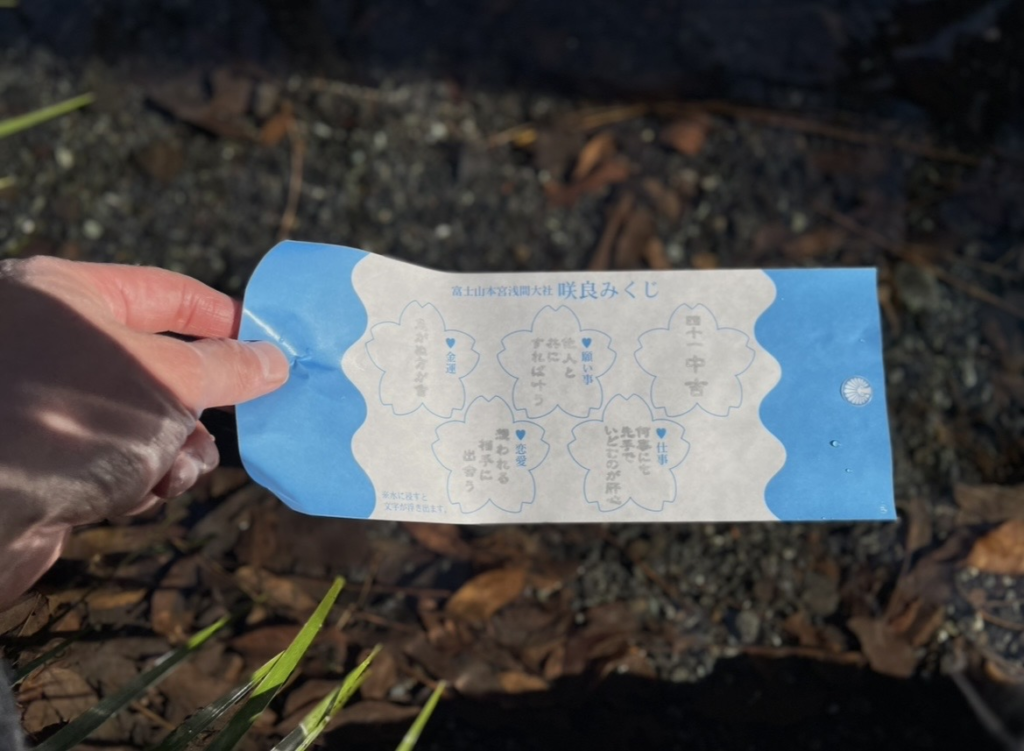
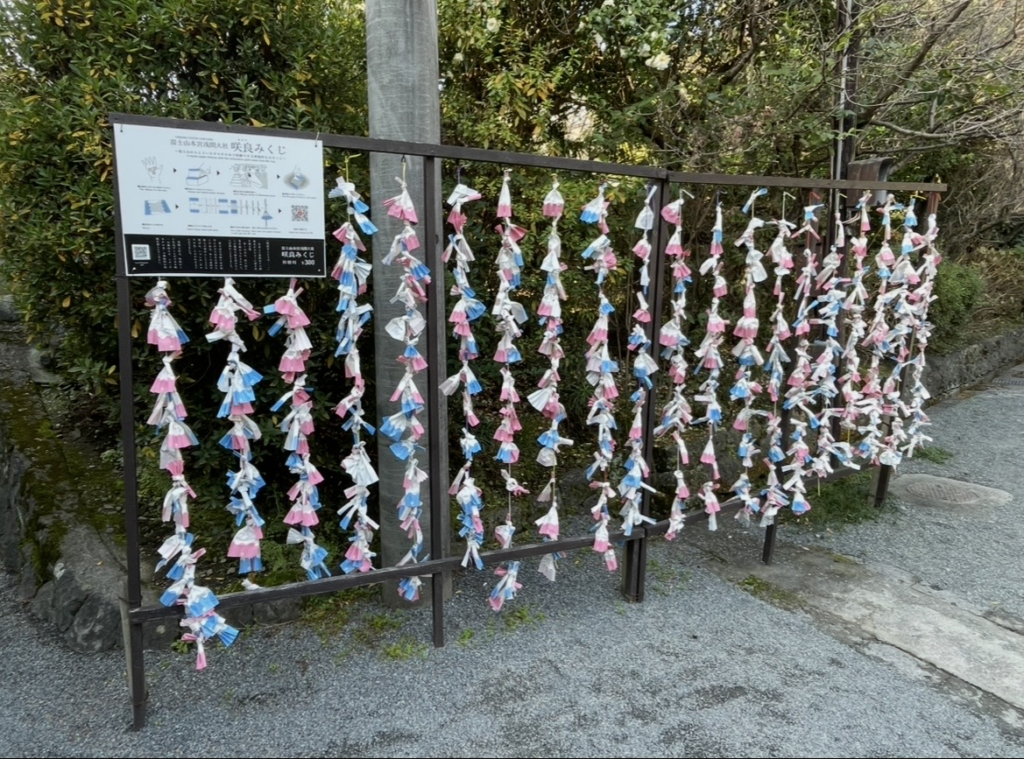
At Yagutama Pond, you can also experience the Sakura Omikuji, a fortune charm that reveals your fortune when immersed in the sacred water. Receive the blessing and spiritual power of Mt. Fuji’s holy spring.
Street‑Food Stroll at Omiya Yokocho
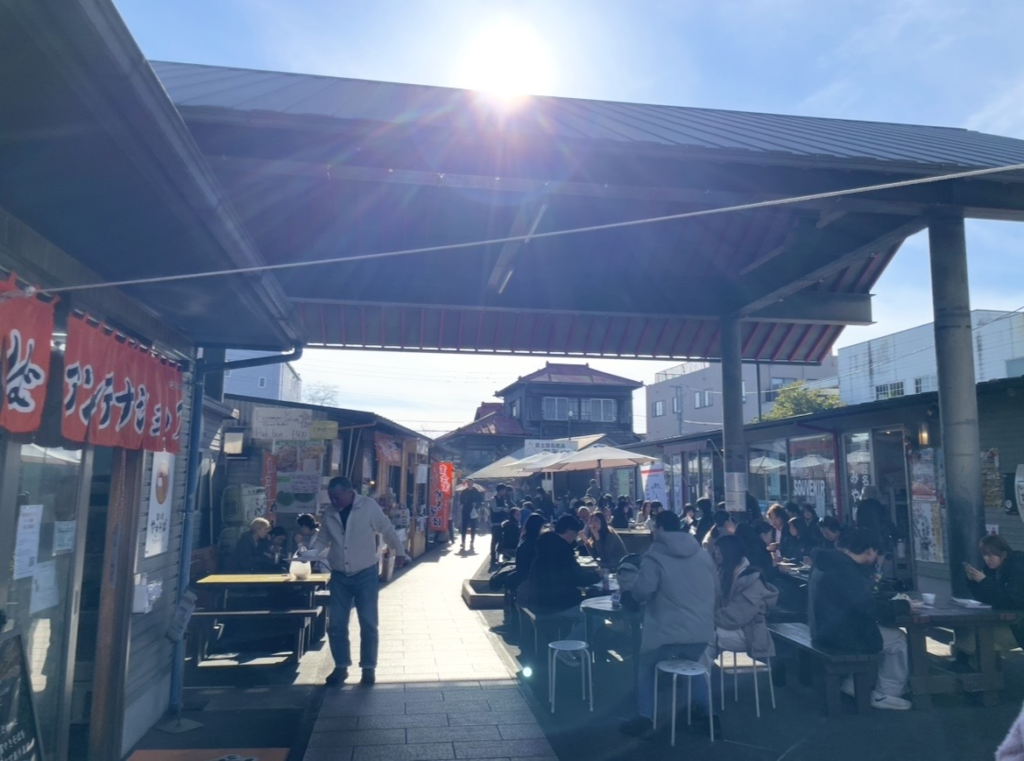
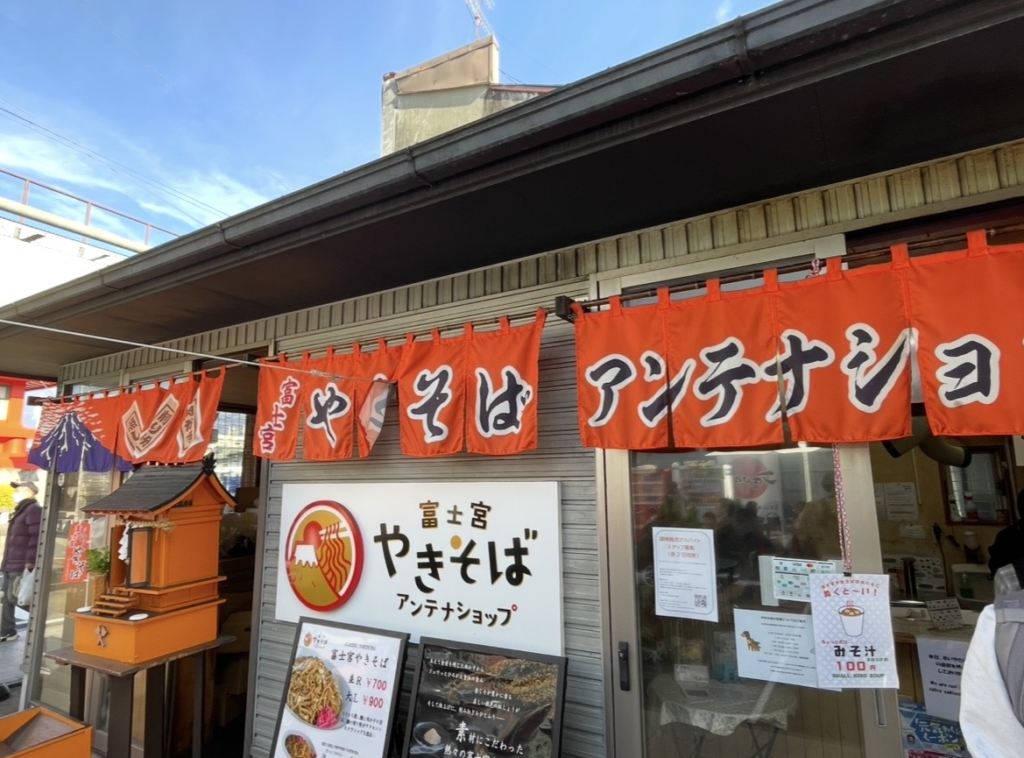
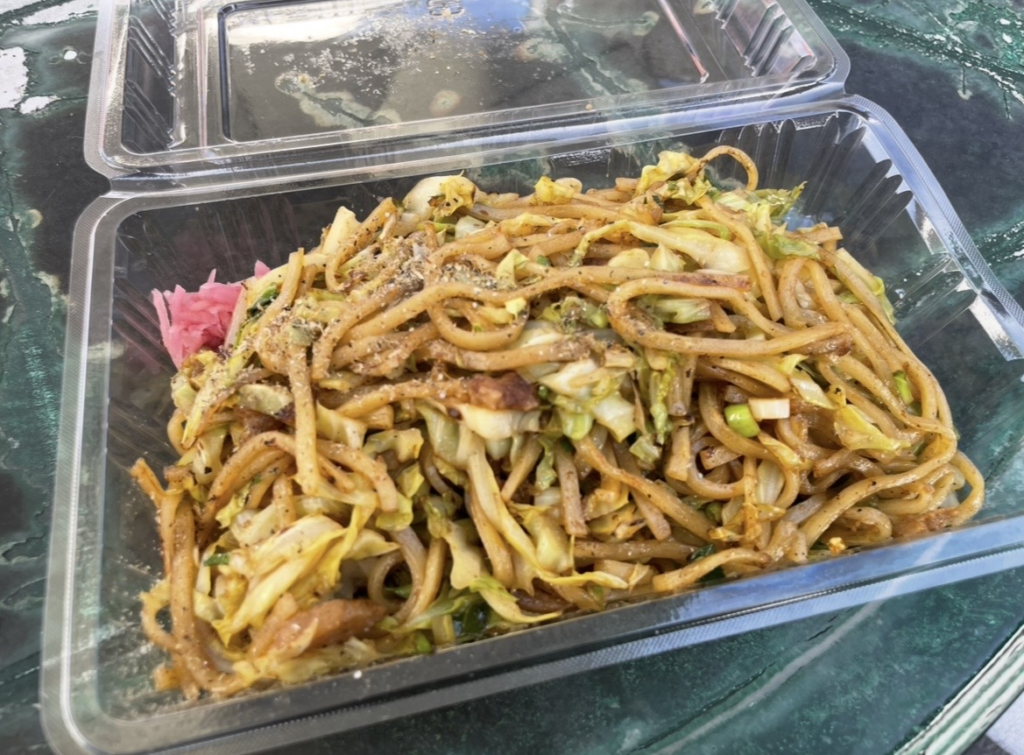
Omiya Yokocho is located right in front of Fujisan Hongu Sengen Taisha and serves as a lively rest area where visitors can enjoy Fujinomiya’s famous local specialties, including the well‑known Fujinomiya Yakisoba. It is a popular spot to visit together with the shrine. I tried the classic Fujinomiya Yakisoba from the official antenna shop, but there are many other foods to enjoy—such as gelato, Shizuoka Oden, and trout burgers. There is also a well where you can freely drink Mt. Fuji’s spring water. Since it contains vanadium, it’s said to be good for your health.
This concludes the content introduced in this article.
If even a little curiosity has sparked within you, I truly encourage you to visit the area and feel the power of Mt. Fuji with your whole being.