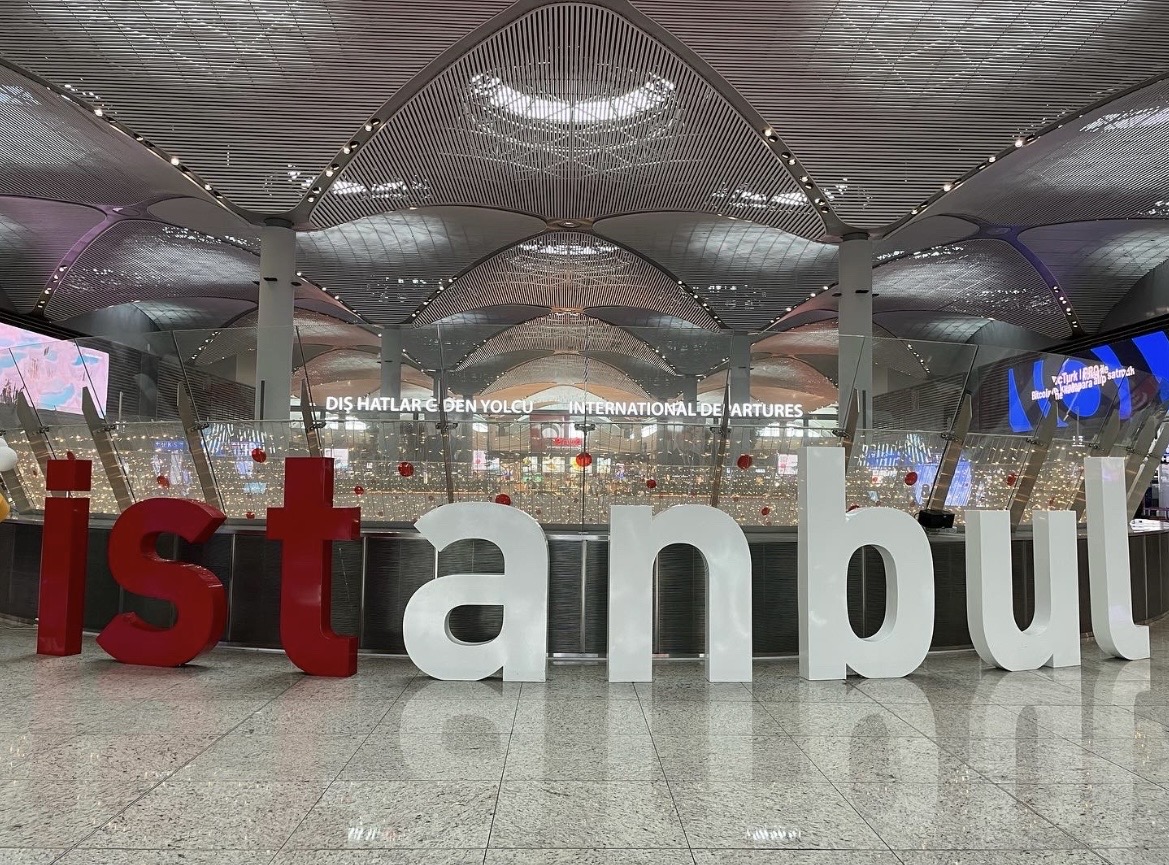


Istanbul Airport (IST) is known as one of the world’s major hub airports. For first-time visitors, its vast size may feel a little overwhelming, but the modern facilities, smooth connections, and wide range of dining options make it a comfortable place to continue your journey.
In this article, I summarize everything from basic information about Istanbul Airport to immigration procedures, transportation to the city, international transfers, and how to spend time inside the terminal. Based on my own experience using the airport, I’ve organized key points so even first-time travelers can navigate without confusion.
Walking through the enormous terminal, you’ll gradually start to feel the unique atmosphere of Turkey—one of IST’s charms. If you’re planning to use Istanbul Airport, I hope this guide helps you prepare.
I also share my flight review of Turkish Airlines, which is based at Istanbul Airport, so feel free to check that out as well.

What Is Istanbul Airport (IST)?
Istanbul Airport officially opened in 2019 and is still a relatively new airport. From the beginning, it was designed to become one of the world’s largest mega-hub airports, and today it serves as a major transfer point connecting Europe, Asia, the Middle East, and Africa.
Turkish Airlines is based at Istanbul Airport, and one of its defining features is the sheer scale of operations—hundreds of flights depart and arrive each day on the airline alone. Its international network is among the best in the world, and the terminal itself is one of the largest single-building airport facilities globally. Many first-time visitors are surprised by its vast size.
Istanbul also has another airport: Sabiha Gökçen International Airport (SAW). Located on the Asian side of the city, Sabiha Gökçen is served mainly by low-cost carriers and AJet, the LCC division of Turkish Airlines.
Istanbul Airport, on the European side of the city, serves as the main hub where most of Turkish Airlines’ international flights arrive and depart. It is the airport used by the majority of travelers and functions as the central point for long-haul routes and international connections.
With its modern facilities, vast terminal, and extensive selection of shops, Istanbul Airport offers an exceptionally high level of convenience as a base for travel.
About Immigration Procedures
After getting off the plane, the first place you head to is passport control. Istanbul Airport (IST) receives aircraft arrivals almost every minute, mainly from Turkish Airlines, so immigration is often crowded. During peak arrival times, long lines are not uncommon. If you don’t have much time to spare, I recommend walking quickly toward passport control. The area is clearly marked with signs, so you should be able to reach it without getting lost.
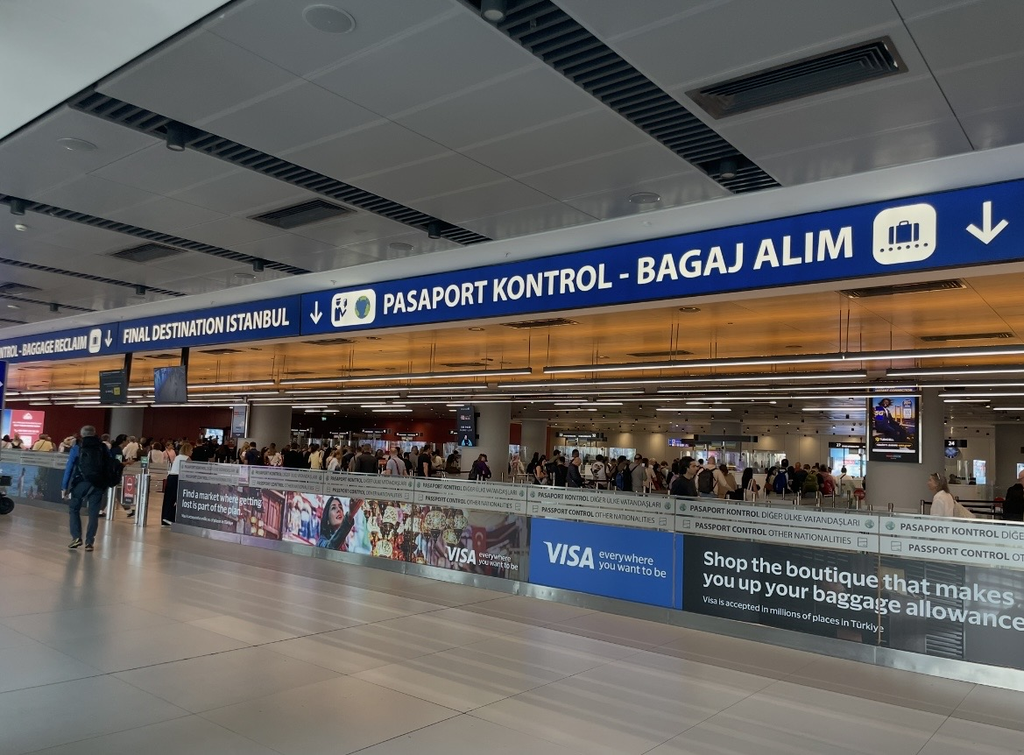
The immigration process itself is not significantly different from other international airports. In most cases, you simply present your passport and answer a few basic questions. However, based on my past experiences at this airport, I often felt that some officers seemed slightly intimidating. Of course, this varies depending on the person in charge, but keeping this atmosphere in mind may help you avoid unnecessary tension.
There are also situations where you will need to go through immigration even if you are transferring. If you are flying with different airlines, holding separate tickets, or staying at a hotel outside the airport, you must enter Türkiye once.
On the other hand, if you are transferring on an international flight with the same airline (usually Turkish Airlines) and your flights are issued under the same ticket number, you do not need to pass through immigration. Simply follow the signs for “International Transfers” to reach the transfer area.
Transportation from the Airport to the City
Istanbul Airport is located about 40–50 kilometers from the city center, and because the airport itself is extremely large, knowing your transportation options in advance will help you move smoothly after arrival. There are several ways to get into the city, but the two most convenient options for travelers are the bus and the metro. Both are inexpensive and provide direct access to major tourist areas and central districts, making them easy to use even for first-time visitors to Istanbul. In this section, I will focus on how to use the bus and metro, which are the most common transportation methods.
How to Take the Bus
Buses called Havaist operate between Istanbul Airport and the city center. They run directly to major tourist areas and central districts, making them one of the most convenient public transportation options for travelers.
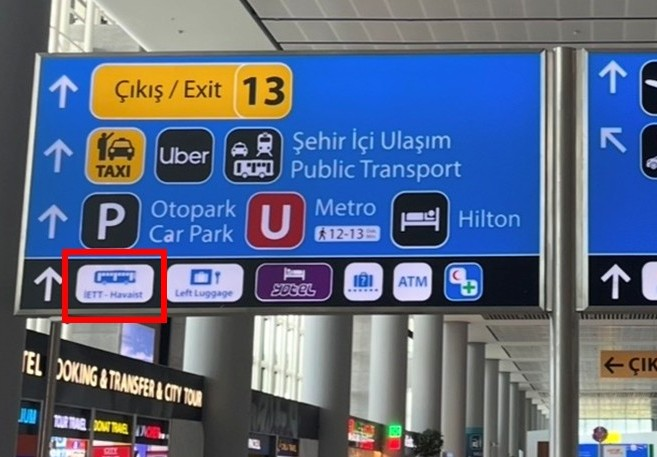
After exiting the international arrivals area into the main lobby, head to the right. You’ll see signs marked “IETT-Havaist,” and following these will lead you to the bus area without any issues.
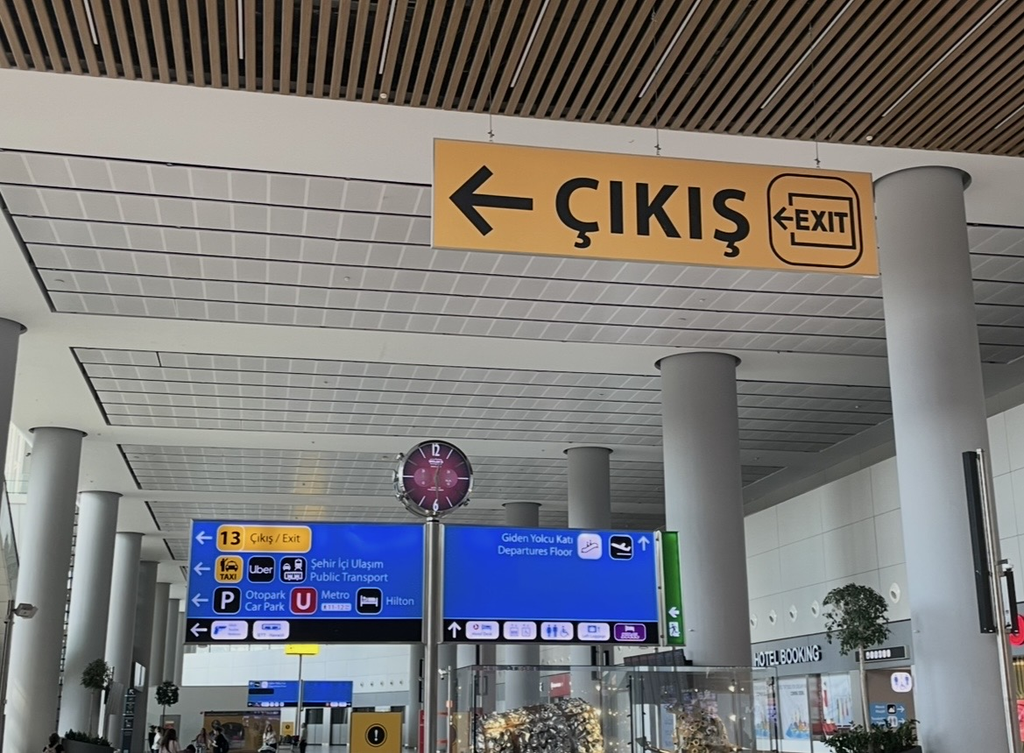
Along the way, you’ll see a large sign that says “çıkış” (exit in Turkish). Use this sign as your landmark, turn left, and take the downward escalator.
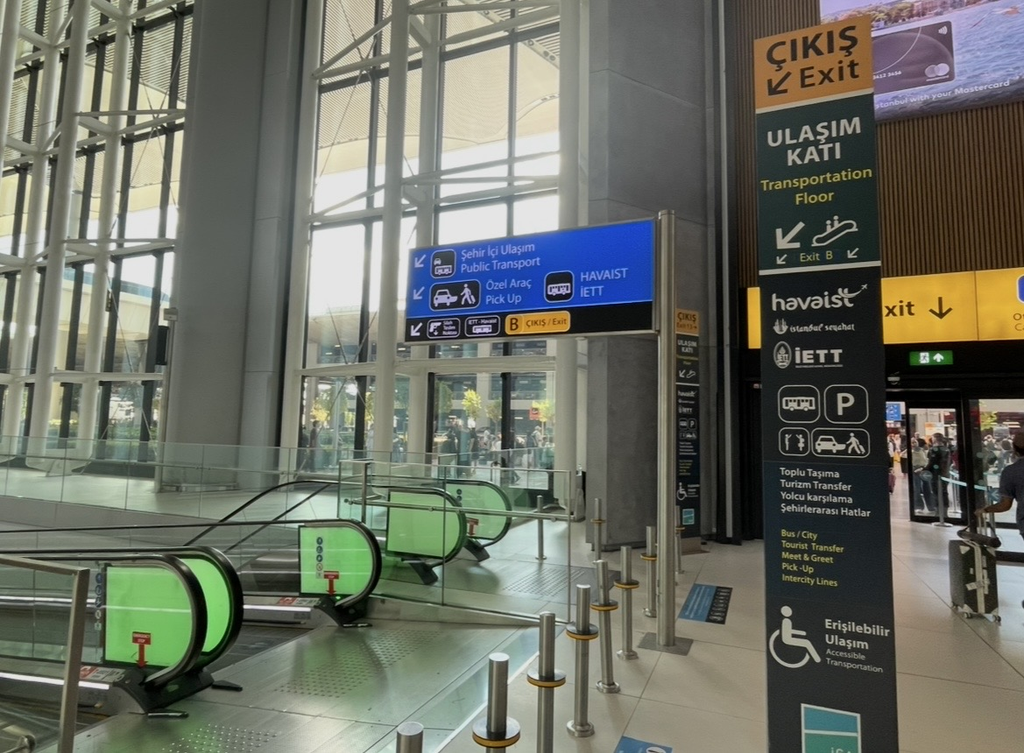
Once you reach the lowest floor after taking the escalator down, exit the building and head to the right.
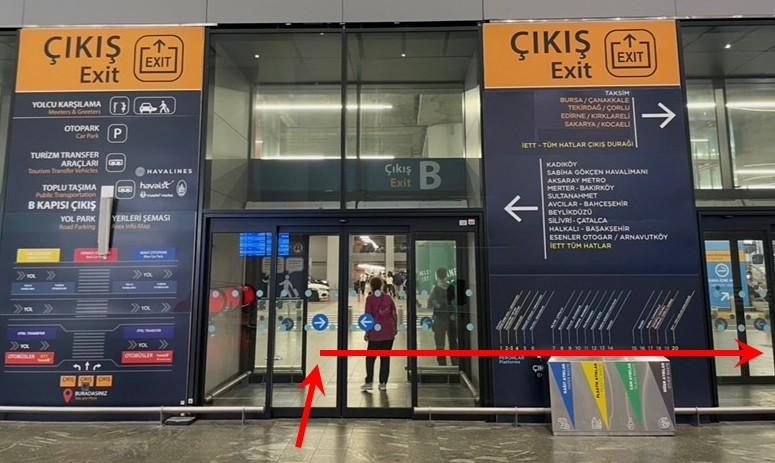
Once you step outside, you’ll immediately find a blue ticket counter labeled “havaist” on your right. This is where you purchase your bus ticket. Payment can be made by credit card, so there’s no problem even if you don’t have cash.
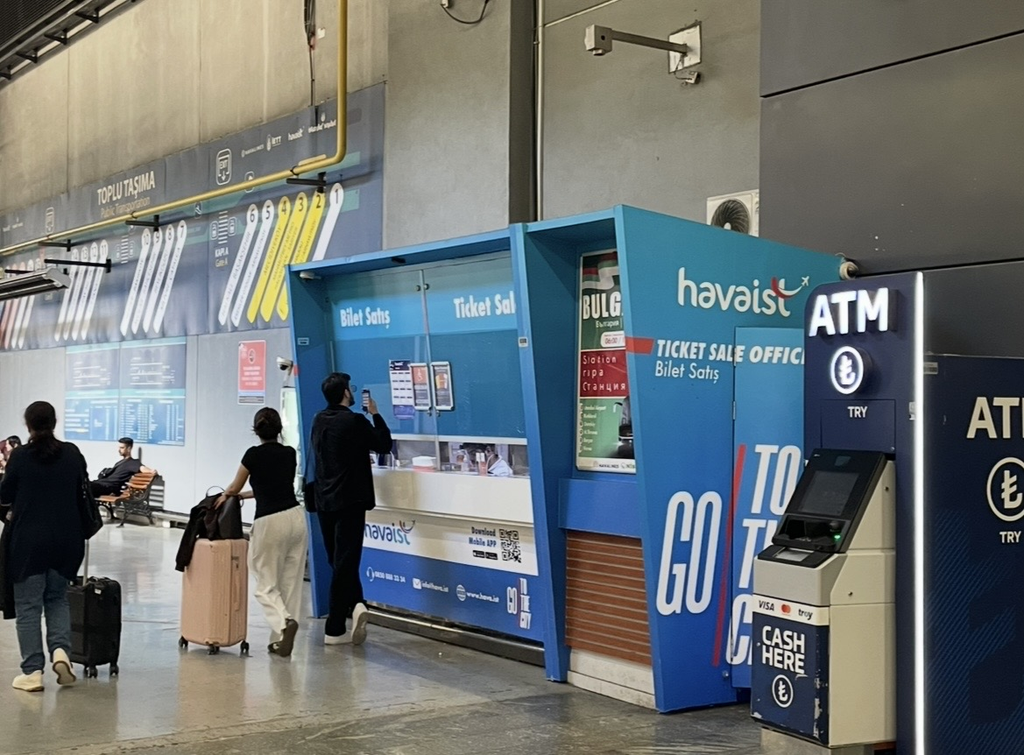
As you continue past the ticket counter, you’ll find a row of Havaist bus stops. Each bus is assigned to a specific destination, so simply check the route number for your destination and show your ticket to the driver to board.
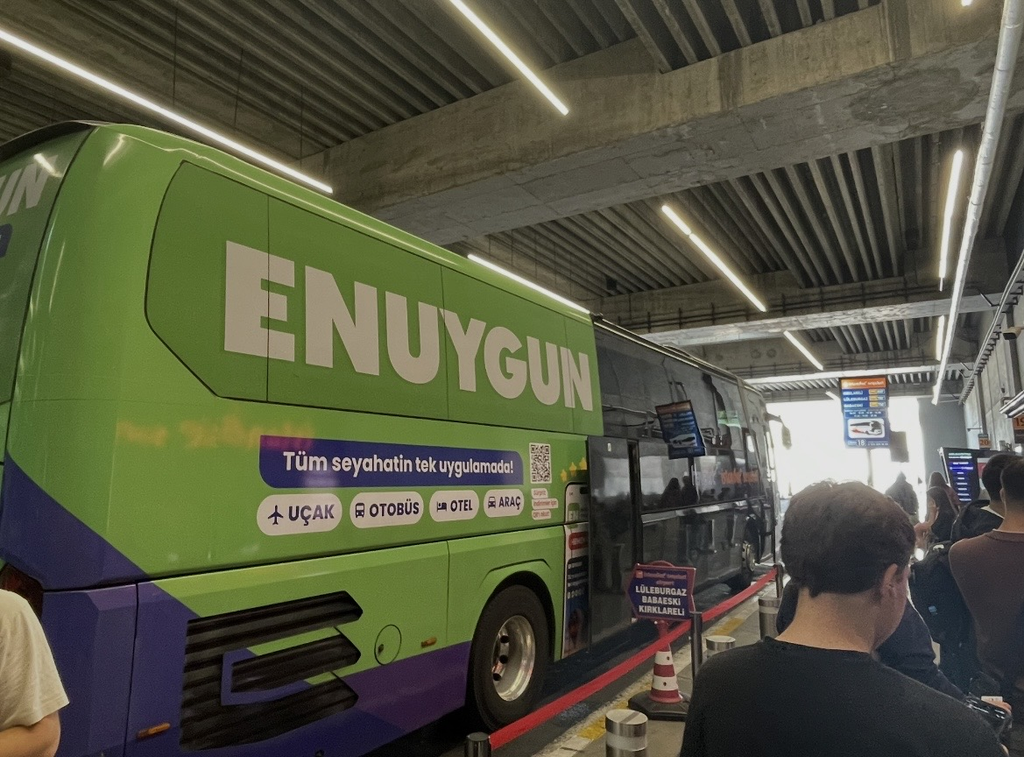
The buses are large, and you can store your luggage in the trunk, with the seats being relatively comfortable. Since many routes go directly to major areas such as Taksim Square and Sultanahmet, you can move smoothly by simply choosing the route that matches the location of your hotel.
How to Take the Metro
Another major transportation option from Istanbul Airport (IST) to the city center is the metro.
To take the metro, you first need to go outside the airport. There are plenty of metro signs installed around the exterior, so you won’t get lost as long as you follow them. A pedestrian deck connects directly to the metro station, so just continue walking along it.
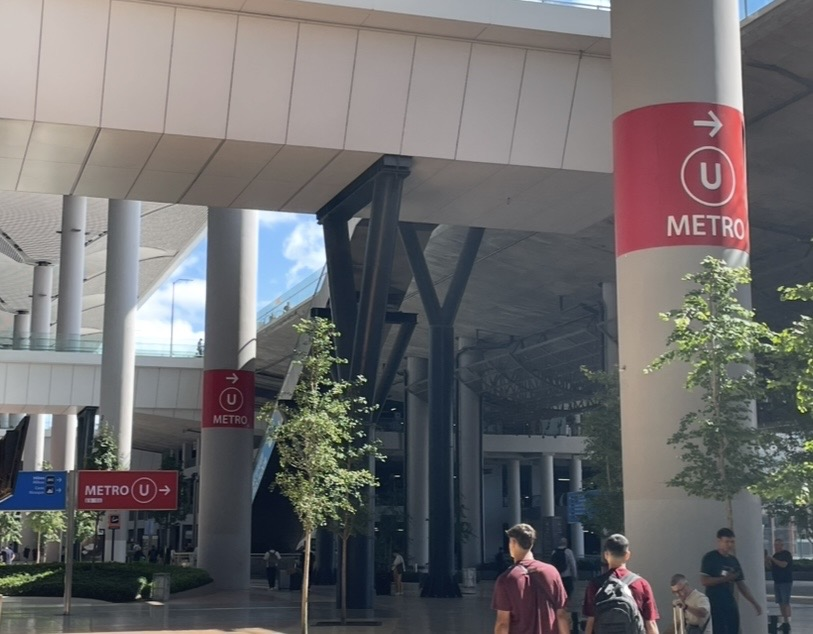
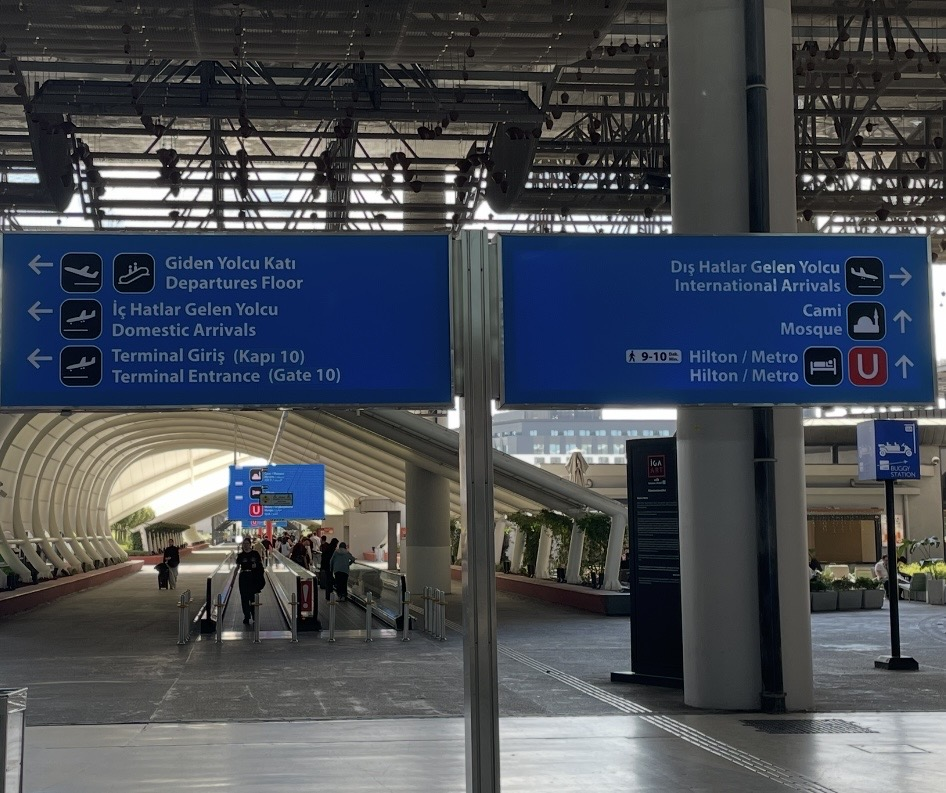
After walking for a while, you’ll see an escalator leading down to the underground level. Once you go down this escalator, you’ll arrive at the entrance of the metro station, where several ticket machines are located nearby. You can purchase your ticket at these machines using either cash (Turkish lira) or a credit card.
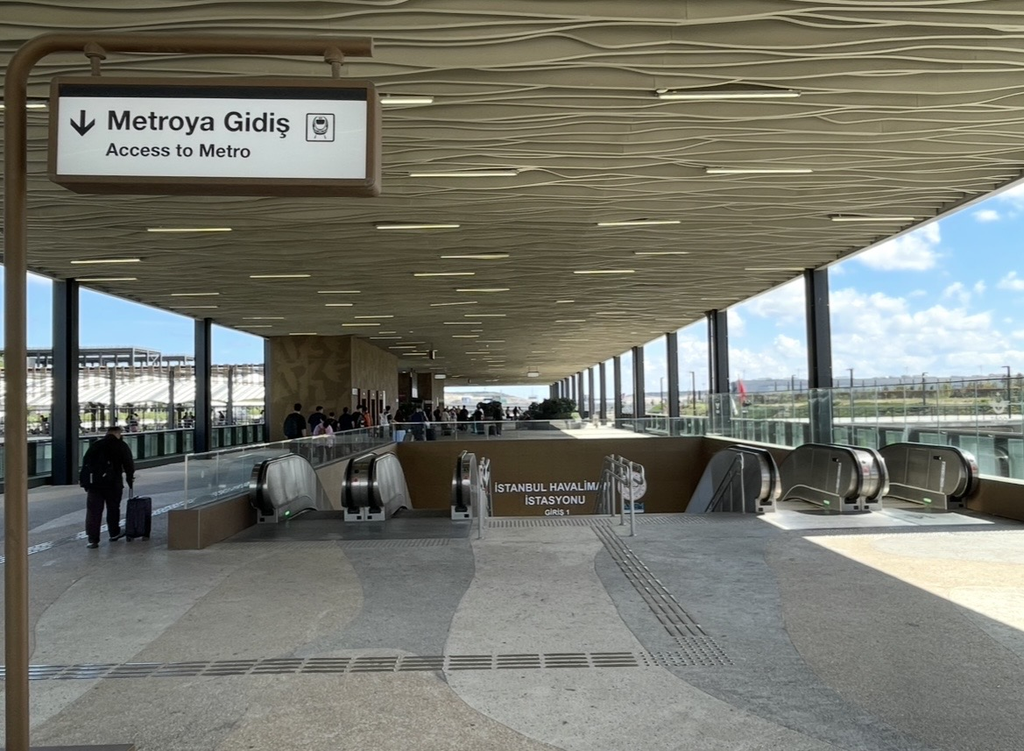
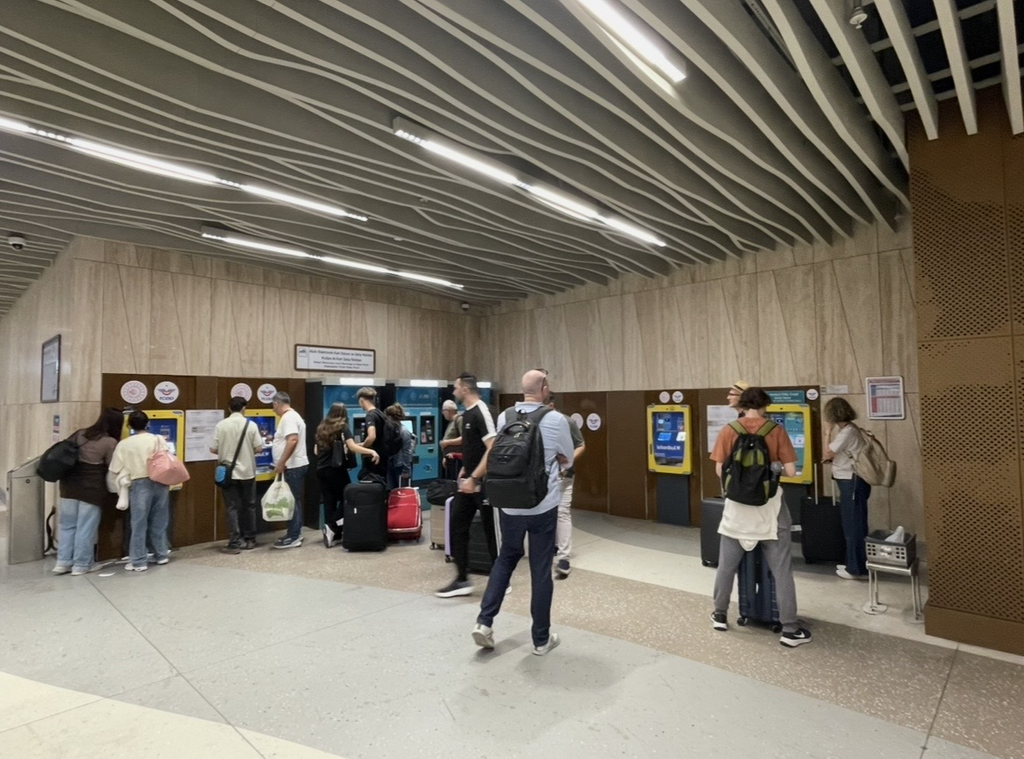
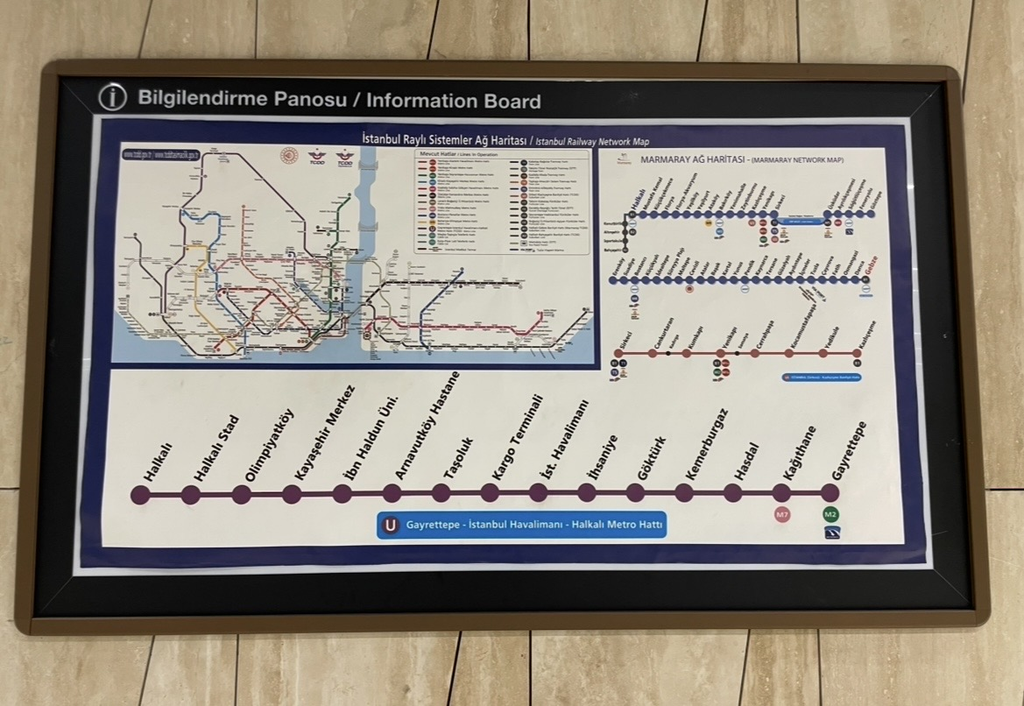
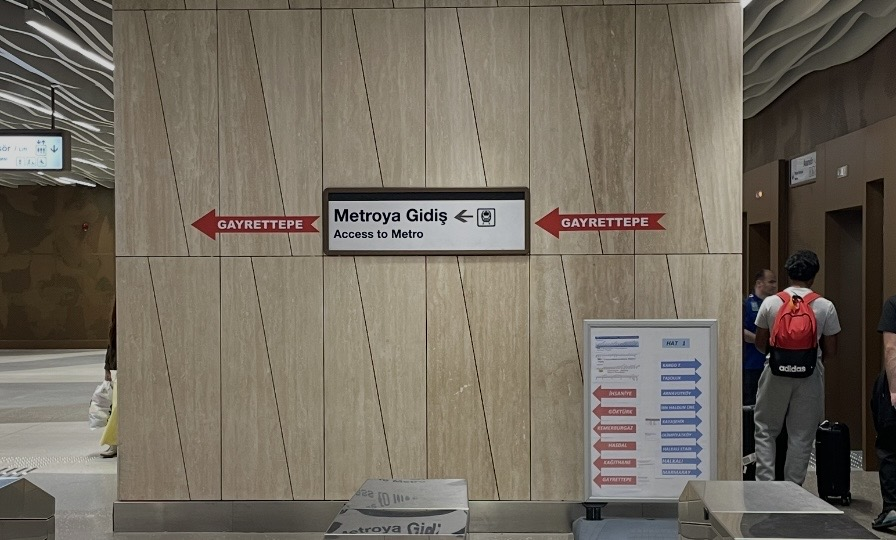
Inside the station, you’ll find a metro route map on display. Istanbul Airport is marked as “ist. Havalimanı,” and if you’re heading into the city, you’ll take the train bound for Gayrettepe. The ticket gates also show signs pointing toward the Gayrettepe direction, making it easy to find your way to the correct platform.
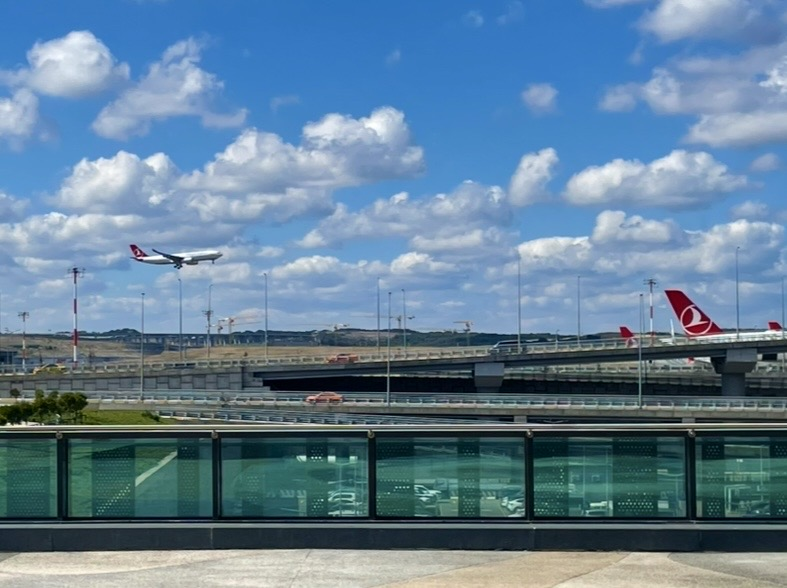
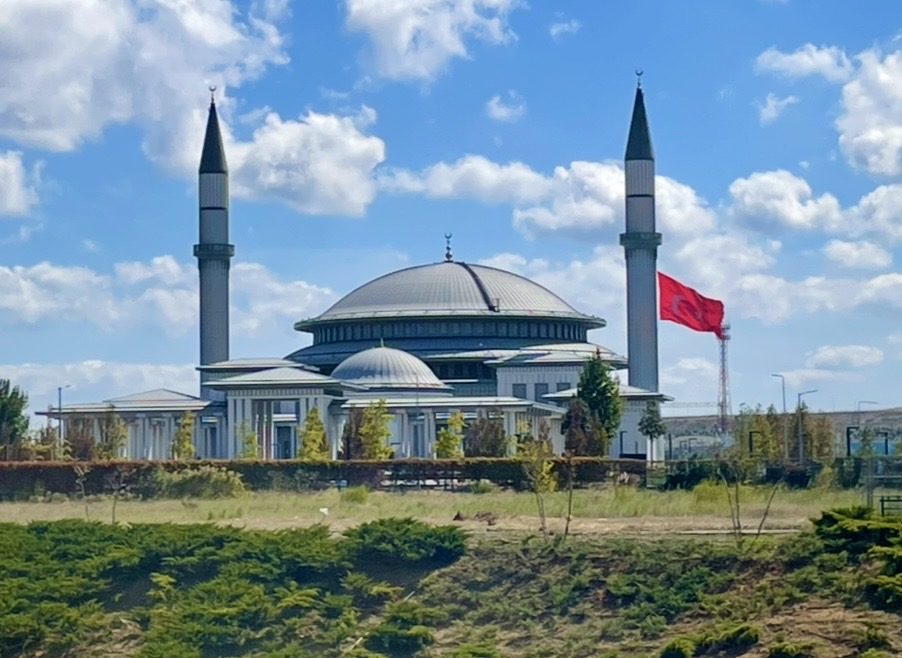
As you walk along the pedestrian deck toward the metro, you’ll get a close-up view of planes taking off and landing, and you might even spot a mosque in the distance. Depending on the timing, you may hear the azan—the call to prayer—echoing across the area, letting you feel the atmosphere of Turkey the moment you step outside the airport. If you want to soak in the local vibe right after arriving, taking the metro can be a great way to start your journey.
International Flight Transfer Procedures
Istanbul Airport is built as a massive single-terminal complex, which makes international-to-international transfers relatively straightforward. However, the required procedures can vary significantly depending on your ticket type—whether your flights are issued on a single ticket or separate tickets—so it’s important to know which situation applies to you before you travel.
When Your Flights Are Issued Under the Same Airline and the Same Ticket Number
This is the most common scenario: your flights are issued by the same airline under the same ticket number. Most transfers when flying with Turkish Airlines fall into this category.
In this case, you won’t need to go through immigration as long as you stay within the airport. After getting off the plane, simply follow the signs toward “International Transfers.” Along the way, you’ll pass through a dedicated security checkpoint for connecting passengers, where your carry-on bags will be scanned again and the liquid restrictions (under 100 ml) are applied once more.
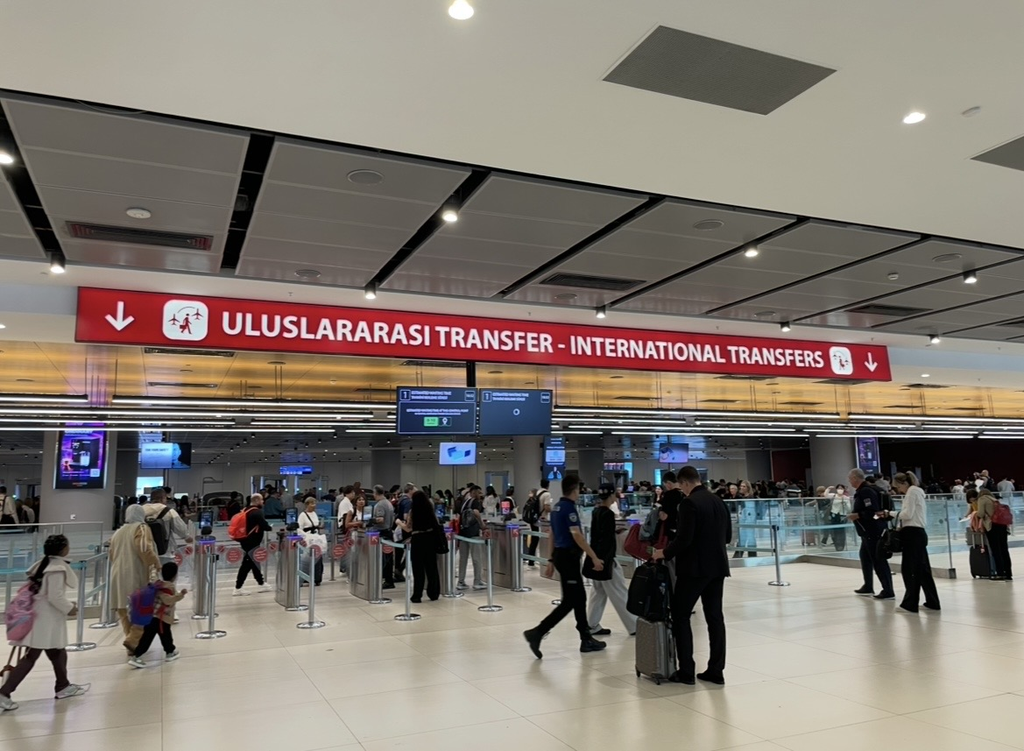
Once you pass through the security check, simply follow the signs for “International Departures,” and you’ll be guided straight to the departure gates.
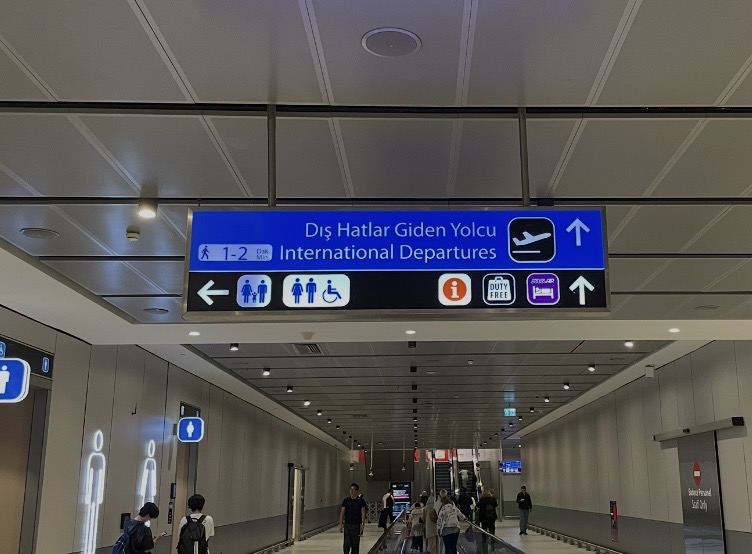
I also made this type of connection on my outbound trip, and the signage was incredibly clear. I was able to move through the airport smoothly without getting lost.
You won’t be able to collect any checked baggage in Istanbul Airport during your transit. This applies even if you plan to stay at an airport-area hotel outside the terminal. If you intend to leave the airport for an overnight stay, make sure to pack everything you’ll need in your carry-on, as your checked bags will remain with the airline until your final destination.
When Your Flights Are Issued by Different Airlines or on Separate Tickets
Next is the case where your flights are operated by different airlines and issued on separate tickets—often referred to as a self-transfer. In this situation, the procedures change significantly, and the flow will look like this:
- Go through immigration
- Pick up your checked baggage (head to baggage claim)
- Move to the departure hall and check in with the next airline
- Drop off your luggage Security check → exit immigration
- Proceed to the international departures area
The immigration process follows the same steps described in the “About Immigration Procedures” section, and nothing special is required. I used this method on my return trip, and I passed through immigration smoothly without being asked any questions. If you are asked about the purpose of entry, simply say, “I’m entering to make a connection,” and that will be sufficient.
After that, just follow the standard international departure flow—check in your luggage, go through security, then complete exit immigration—and you’ll be on your way.
How to Spend Your Time During a Layover
Istanbul Airport, with its massive single-terminal layout, offers an impressive range of facilities that make layovers comfortable and enjoyable. If your connection time is short, heading straight to your gate is all you need. But if you have a few hours to spare, you can relax by exploring the airport’s shops, restaurants, or lounges, turning the wait between flights into a pleasant break. In this section, you’ll find an overview of the main facilities available during a layover.
IGA Lounge
The IGA Lounge is known as one of the largest and most impressive lounges in Turkey. Its facilities, spacious layout, and food selection are rated among the best in the world, and it is located within the international departures area. It operates 24 hours a day, with a maximum stay of six hours, and even non-elite travelers can access it for a fee of about 6,700 Turkish lira, payable by credit card.
You can reach the lounge easily by following the signs within the departure gate area. The reception desk can get extremely crowded depending on the time of day, and when I visited, there was already a line of people waiting to check in.
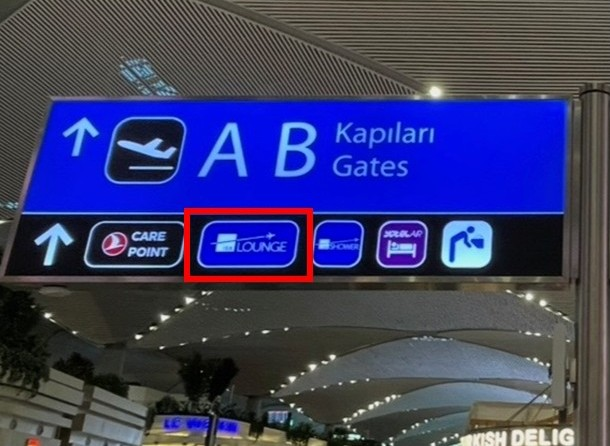
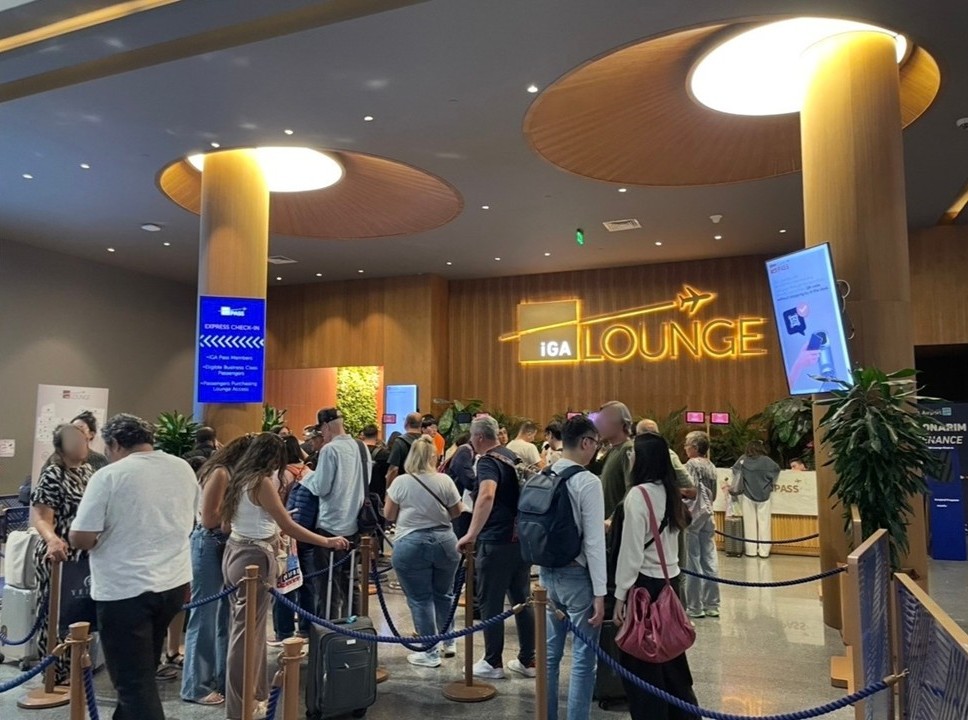
When I told the staff at the reception desk, “One adult, please,” the agent looked slightly puzzled and responded with “What?” I wasn’t sure what part of my request was unclear, so we ended up repeating the same exchange several times. Once I clearly stated that I wanted to use the lounge, they understood right away. It may be smoother to start by saying explicitly that you’d like to use the lounge when you check in at the reception.
At times, you may be asked to leave your boarding pass at the lounge reception when entering. The criteria for this aren’t clear, but I was also instructed to hand mine over. The staff will write your allowed usage end time directly on the boarding pass, but since it stays with the reception, you’ll need to remember the time yourself. When leaving, your boarding pass will be returned, though the process can be somewhat disorganized—I had to wait while the staff searched for mine. Because there is a slight risk of misplacement, I recommend taking a photo of your e-ticket or boarding pass before entering the lounge.
Right after entering the lounge, you’ll find a light‑meal area where you can freely enjoy food served buffet‑style. The dishes were neither exceptional nor disappointing—just average overall. Although there are plenty of seats, the lounge gets extremely crowded, so depending on the timing, you may have a hard time finding an available spot.
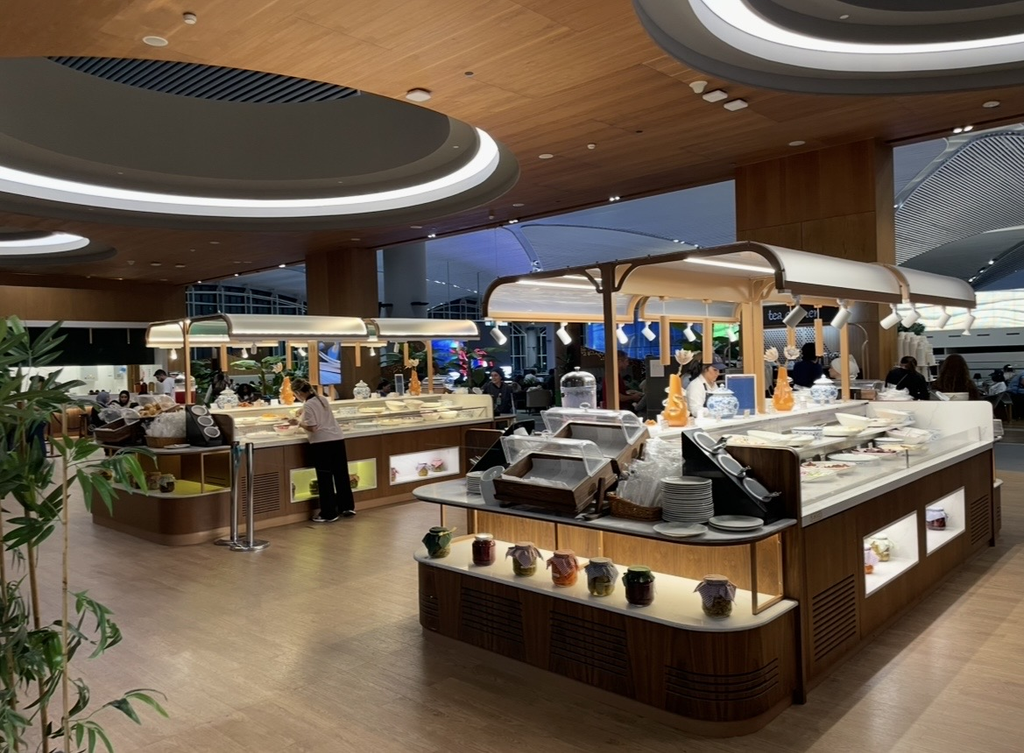
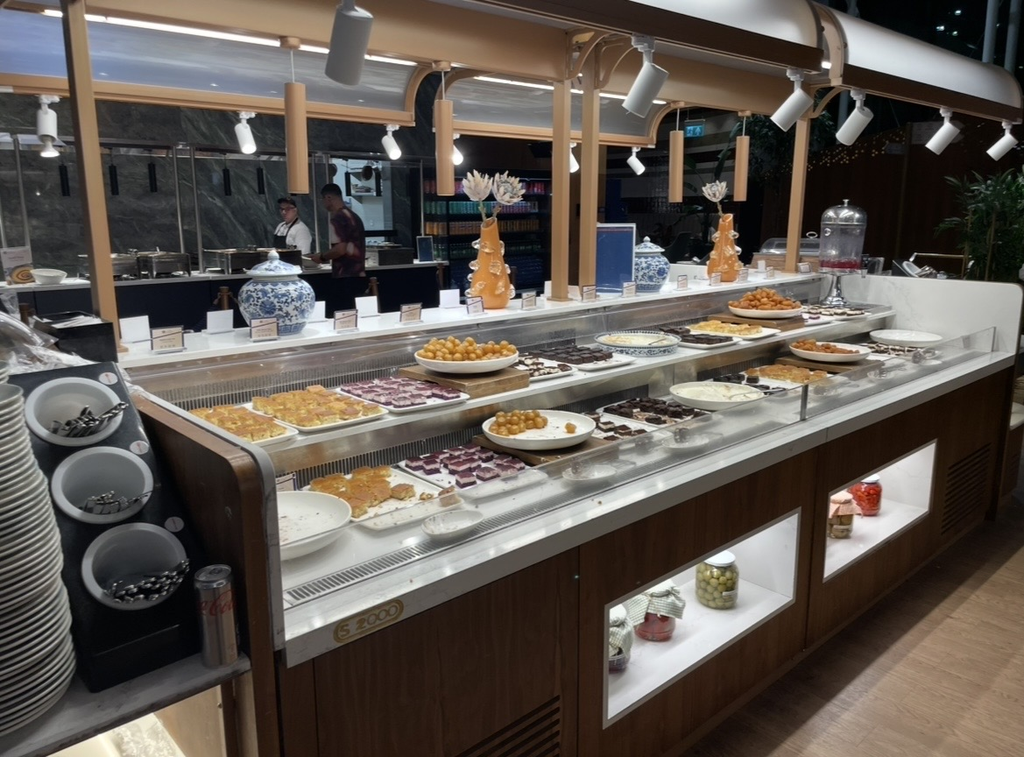
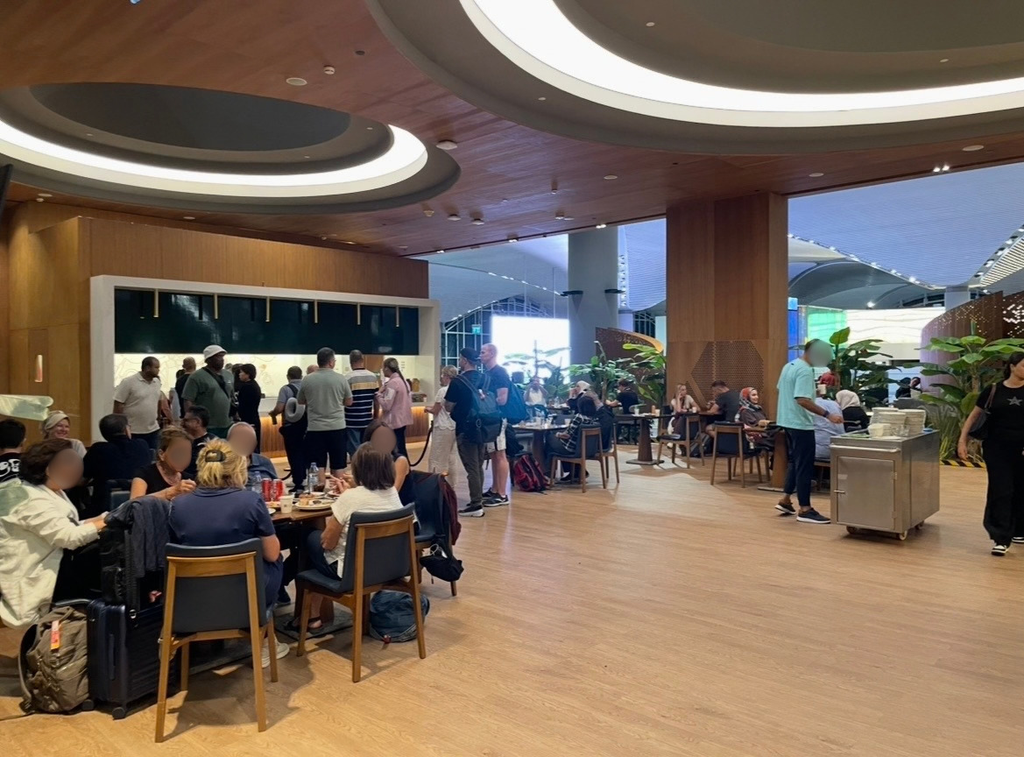
I only used the lounge for light snacks, drinks, and a seat, and while it was certainly more comfortable than waiting for hours at the departure gate, I honestly felt unsure whether the experience justified the cost, considering the crowding, the food selection, and the reception process. The lounge becomes far more valuable if you plan to use the showers or the rest area, so I think it’s best suited for travelers with long layovers who want a proper place to rest.
YOTEL (YOTELAIR)
YOTEL is a hotel directly connected to Istanbul Airport, offering two separate facilities: one located Airside (inside the international departures area) and another Landside (in the public area). Among these, YOTELAIR—the Airside location—can be used during international layovers without passing through immigration. It sits right in the center of the international departures area, conveniently close to the IGA Lounge.
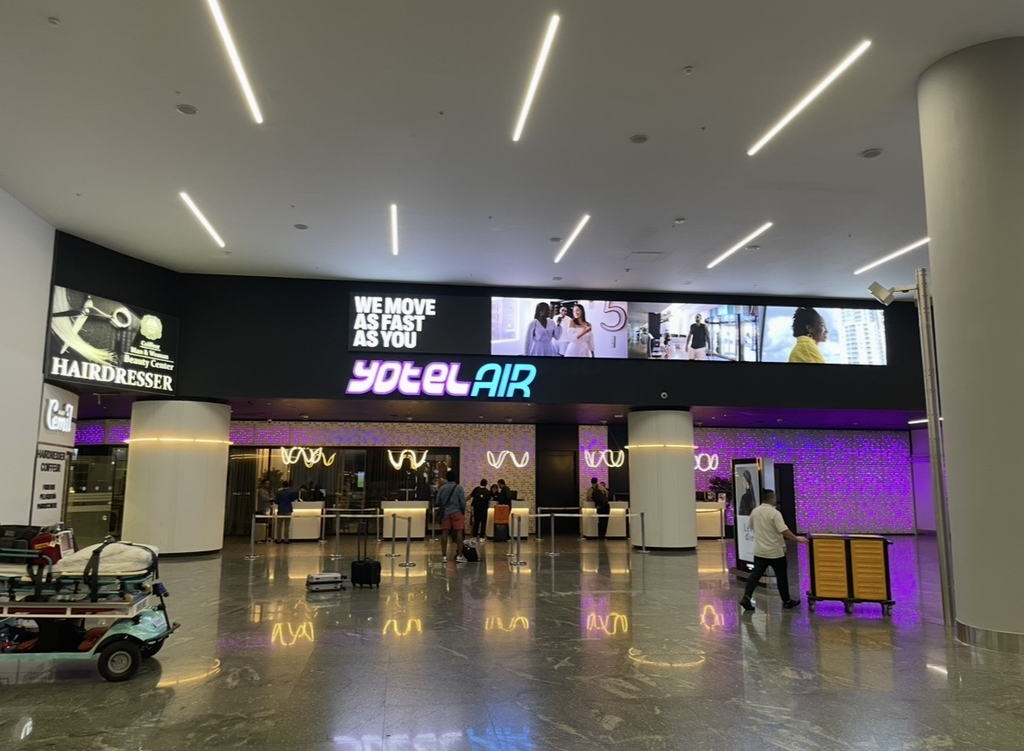
YOTELAIR is a hotel that can be booked in hourly blocks, with a minimum stay of four hours. The rooms are compact “cabin‑style” units equipped with a bed, private shower, desk, and TV. It’s one of the few places inside the airport where you can lie down and rest, making it ideal for long layovers when you need a nap or a quiet break. The facility operates 24 hours a day and includes a restaurant and bar, making it convenient even during late‑night or early‑morning connections.
There is also a Landside YOTEL within the airport, but that one can only be used after passing through immigration. Transit passengers must use the Airside YOTELAIR, so be careful not to mix them up when making a reservation.
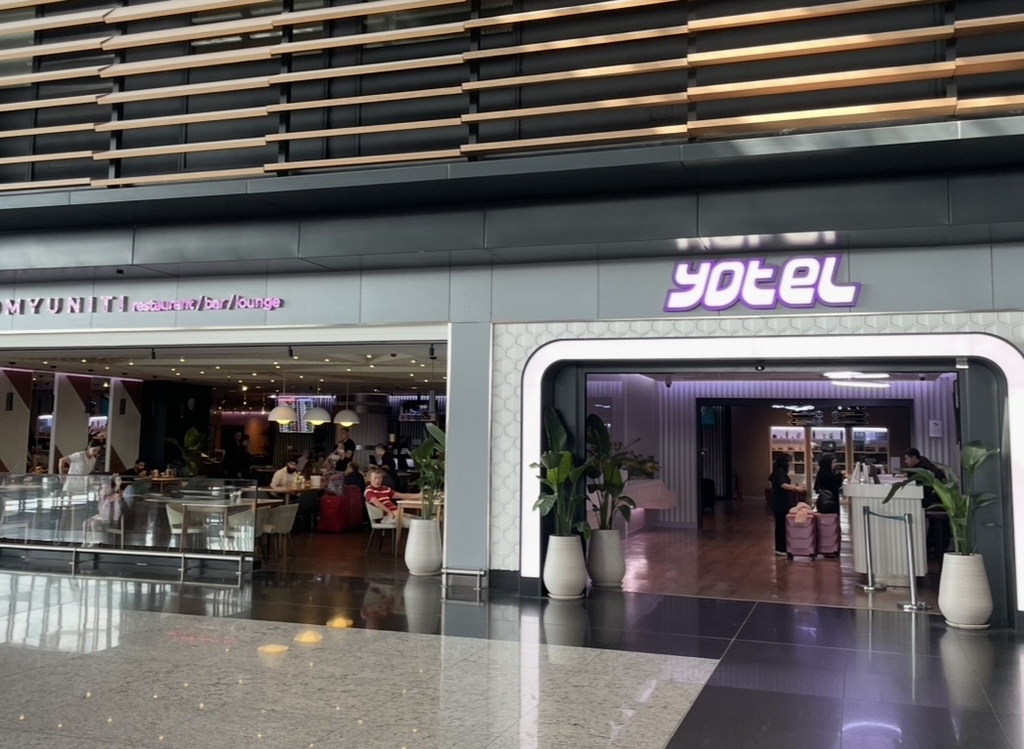
With the convenience of not requiring immigration and the flexibility of booking by the hour, YOTELAIR is an excellent hotel option for transit passengers at Istanbul Airport.
Restaurants and Dining Options
The international departures area of Istanbul Airport offers a wide range of dining options, including cafés, bars, restaurants, and food courts, many of which are open 24 hours a day. Even during late‑night or early‑morning layovers, you won’t have trouble finding something to eat, and the airport alone provides everything you need. Most places accept credit cards, so there’s no need to exchange money into Turkish lira just for meals.
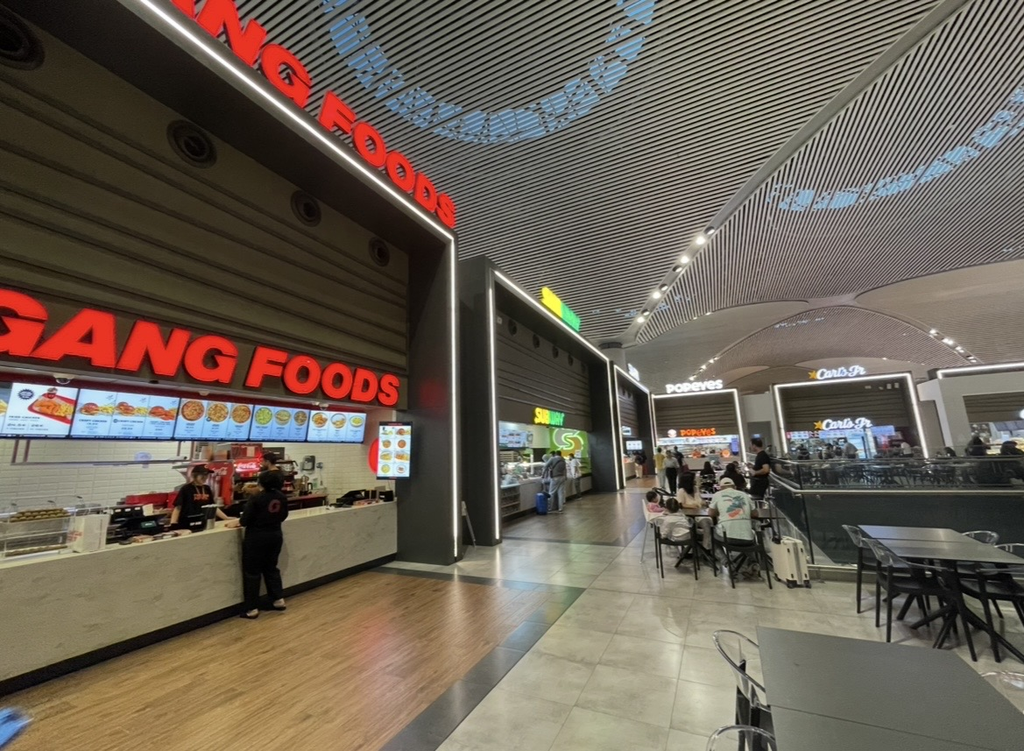
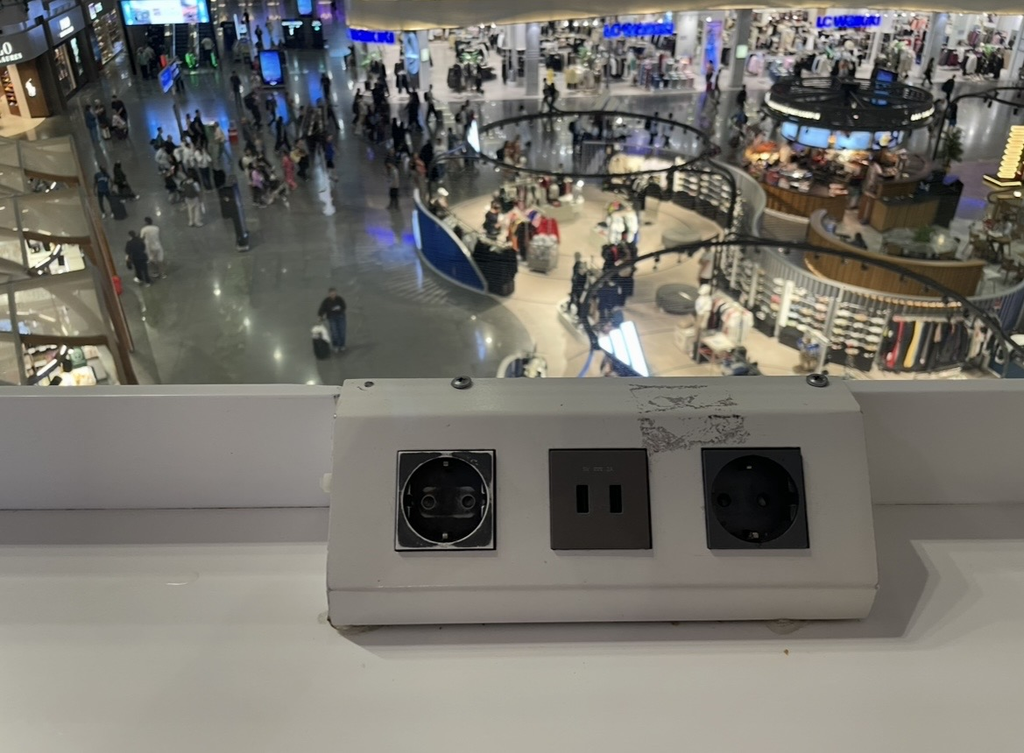
In the airside food court, you’ll find familiar chains like Subway and McDonald’s, making it easy to grab something quickly. The seating areas are equipped with plenty of power outlets, so charging your phone or laptop is no issue. USB ports are also available, which is especially convenient if you don’t have a plug adapter.
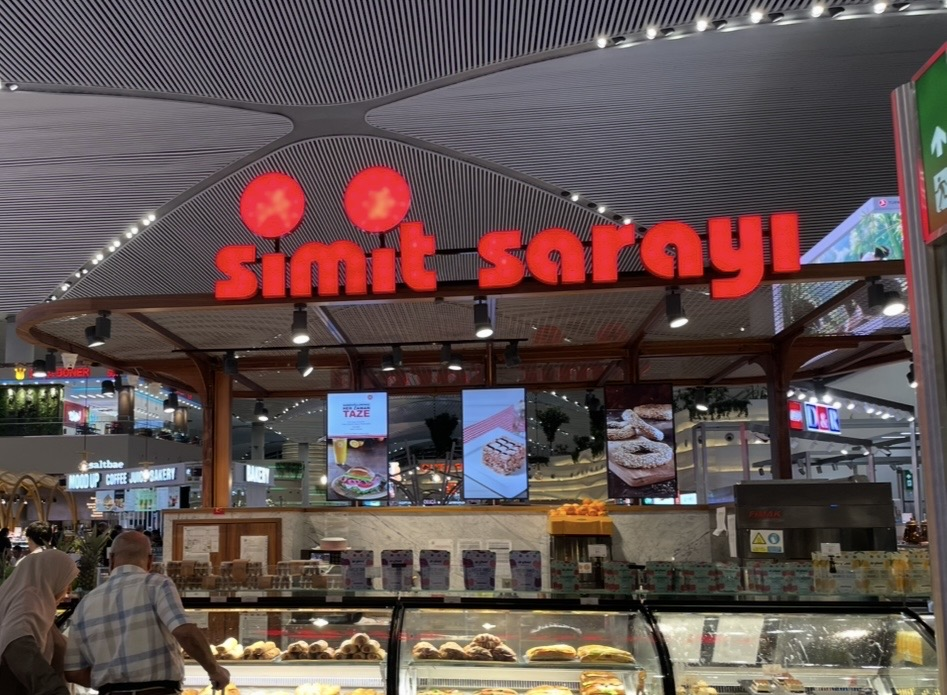
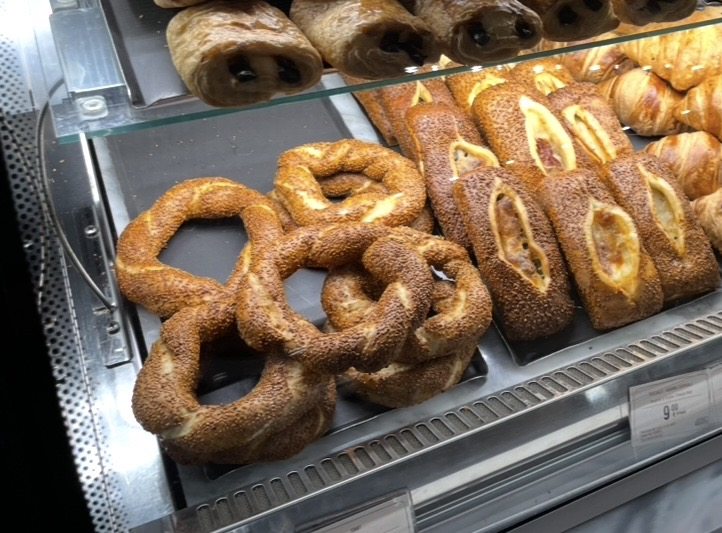
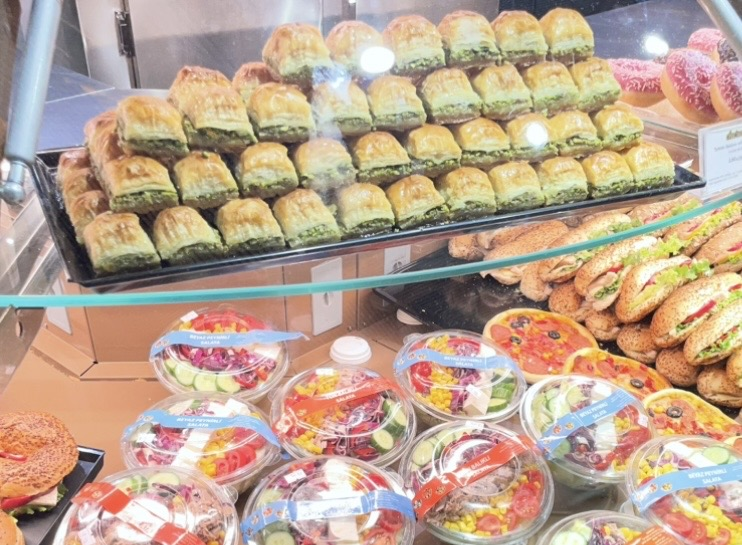
There are also many bakery shops throughout the airport where you can buy Turkish specialties such as simit and baklava. They’re great as light snacks and offer an easy way to enjoy local flavors, making them a fun option to try during your layover.
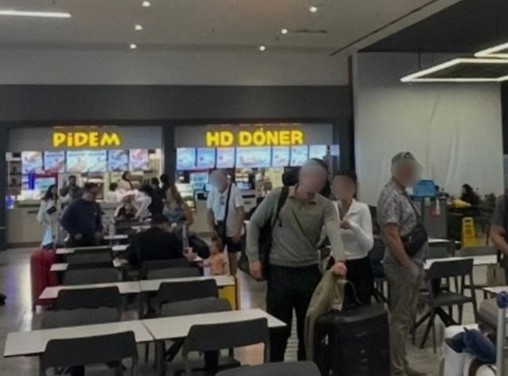
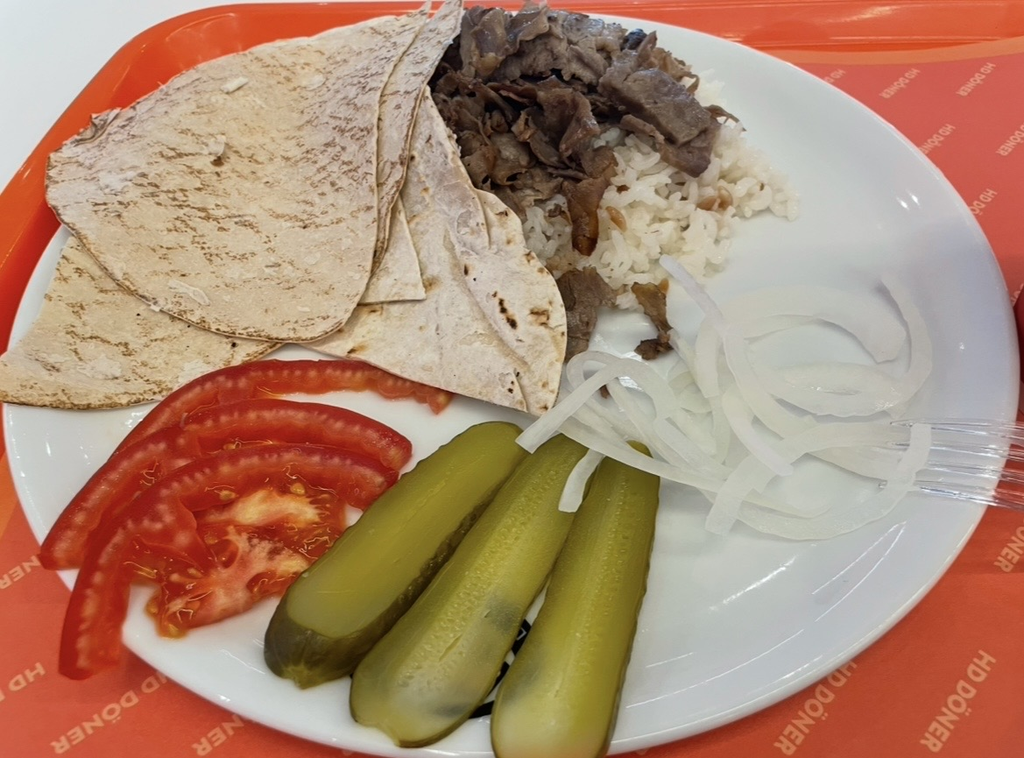
One of my personal favorites—although it requires passing through immigration—is “HD Döner,” located in the food court of the departures hall. It’s a fast‑food chain specializing in kebabs and offers a variety of kebab dishes. I ordered a kebab set that comes with rice, and it’s served in a style where you wrap the ingredients yourself using lavash, a thin flatbread. The seasoning is nicely balanced, and the whole dish is genuinely delicious. If you want to enjoy authentic Turkish kebab in a casual way, this place is definitely worth a visit.
Souvenir Shops
Istanbul Airport offers not only a wide selection of dining options but also an impressive variety of souvenir shops. Even if you didn’t have time to shop in the city, you can still find plenty of Turkish-themed items inside the airport and finish your shopping before departure.
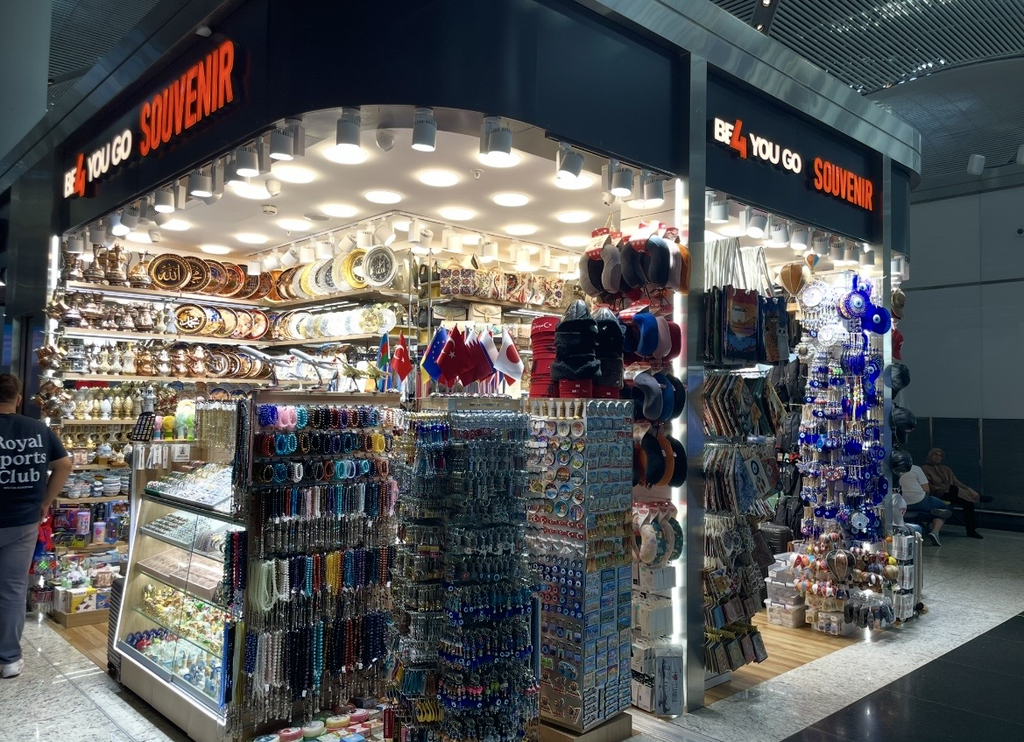
There are many souvenir shops in the departures hall as well, though most of them focus on miscellaneous goods. You’ll find small items with Turkish-style designs, interior décor pieces, and accessories—just browsing through them is enjoyable.
Meanwhile, food souvenirs such as lokum (Turkish delight) and baklava are widely available in the airside international departures area. The airport’s duty‑free stores and gift shops offer a broad selection of popular items for travelers, including classic lokum, pistachio baklava, nut-based sweets, Turkish coffee, and other well-loved Turkish treats.
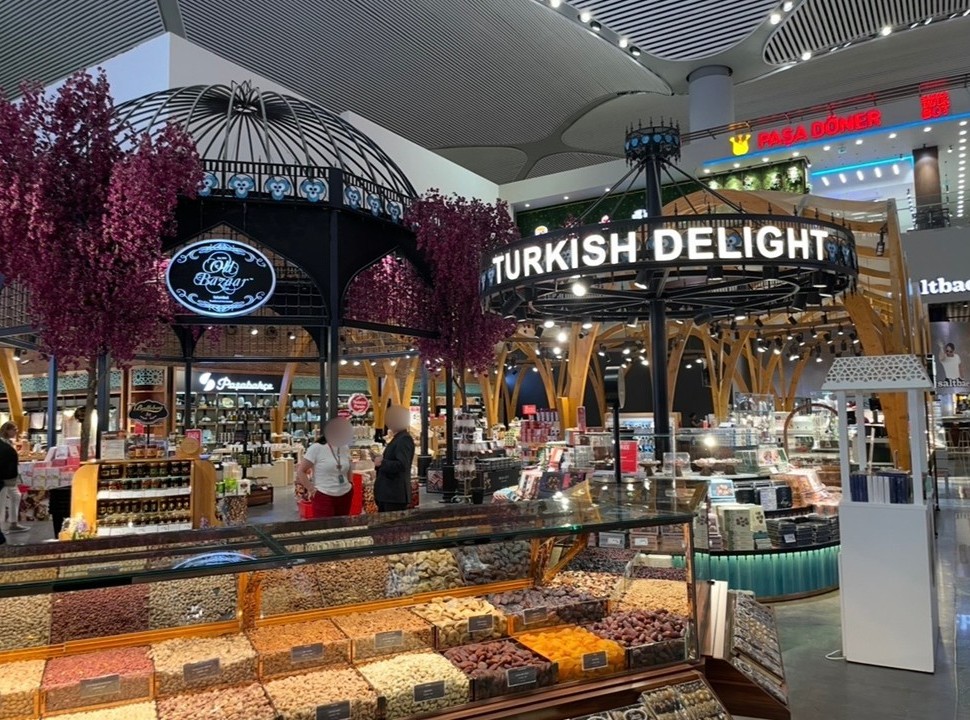
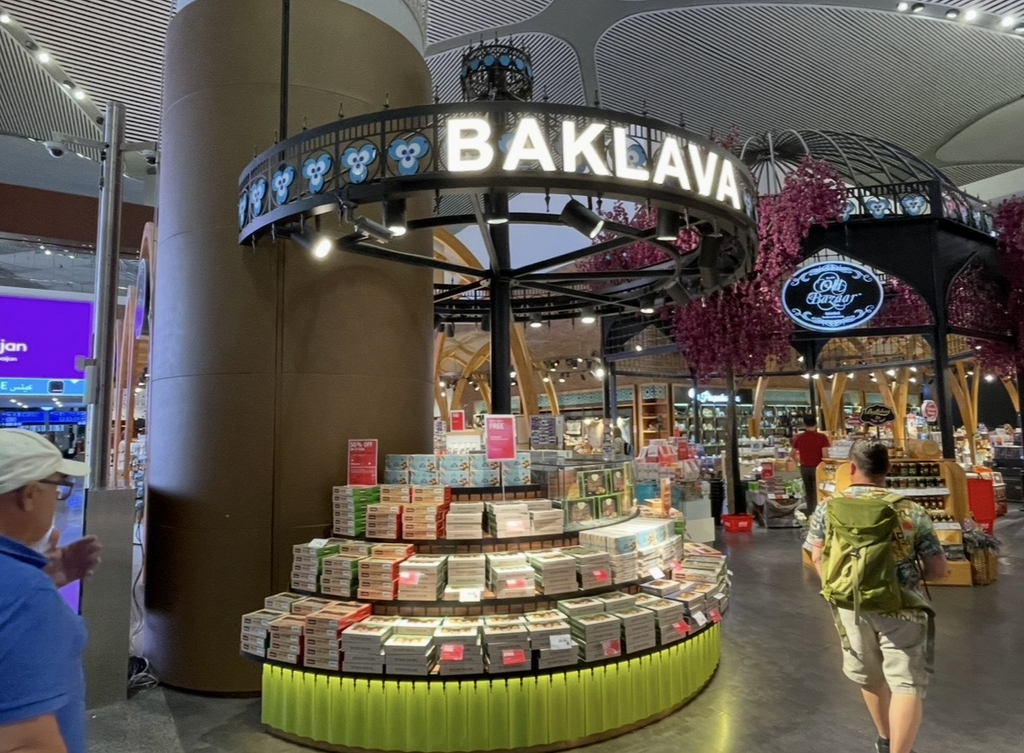
Just like the dining options, many of the shops are open 24 hours a day, making them accessible even during early‑morning or late‑night layovers.
Baggage Claim
After clearing immigration, you’ll pick up your luggage at the baggage claim area. Istanbul Airport is one of the largest airports in the world, and its baggage claim section has an impressive number of conveyor belts. The international baggage claim is divided into two zones—lanes 6–20A and 21A–25—and first‑time visitors may be surprised by how spacious it is. Even so, it’s easy to find the correct belt for your flight, just like at other airports. Your arrival flight number is clearly displayed on the electronic boards, so as long as you check calmly, you won’t have any trouble locating your luggage.
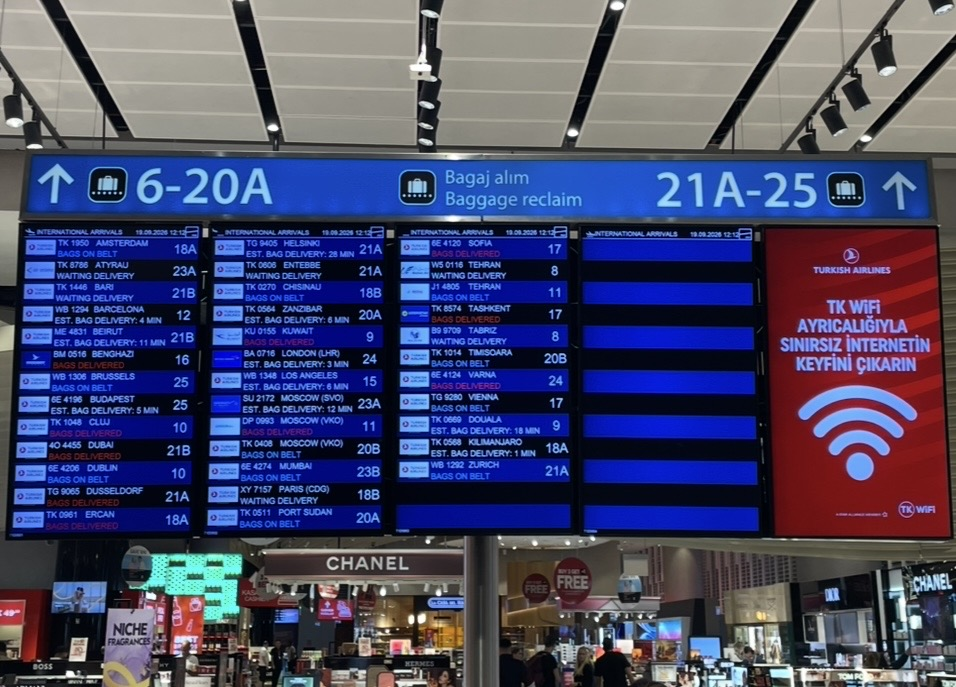
Because Istanbul Airport is so large, it often takes some time before the luggage actually arrives on the belt. There’s no need to rush to your assigned carousel, and it can be a good idea to browse the nearby shops while you wait. Around the baggage claim area, you’ll find plenty of duty‑free stores as well as places selling drinks and light snacks, making it easy to use your waiting time efficiently.
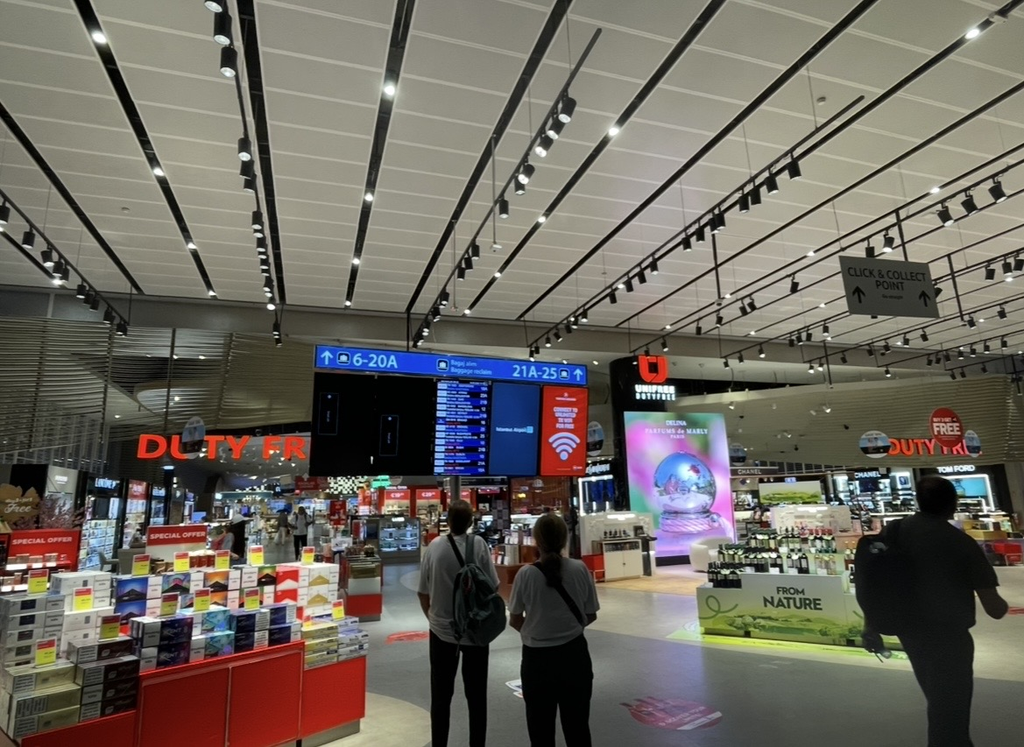
As mentioned earlier in the section on international flight connections, if your flights are issued under the same airline and the same ticket number, you won’t be able to collect your checked baggage at Istanbul Airport during a transit, even if you temporarily enter the country for a hotel stay. This point is easy to misunderstand, so it’s important to be aware of it in advance.
Important Points When Using Istanbul Airport
Istanbul Airport is vast and extremely busy, so there are a few points worth keeping in mind to ensure a smooth and comfortable experience. In this section, I’ll summarize the key things that are helpful to know before using Istanbul Airport, so you can feel more at ease during your visit.
Security Check
At Istanbul Airport, strict security measures are enforced even at the point of entering the terminal, not just when proceeding into the airside area, meaning all passengers must pass through a security check upon entering the building.
During busy hours—such as early mornings when many flights depart—the entrance security screening tends to get crowded, so it’s important to arrive with plenty of time. The process itself is similar to other airports, mainly involving hand‑luggage screening and passing through a metal detector, but congestion can lead to longer waiting times.
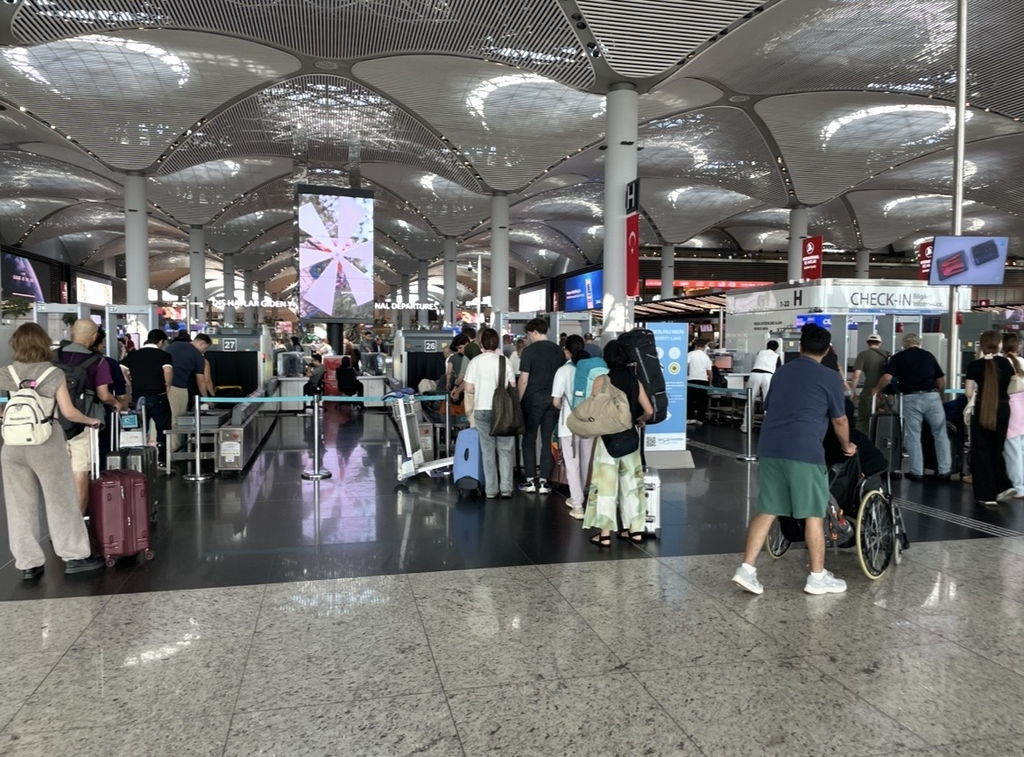
If you step outside the airport—even just one step—from the arrival hall, you won’t be able to re‑enter from the arrivals side. To enter the airport again, you must go back through the entrance on the departures side, where you’ll have to pass through security screening once more.
If your time is limited, it’s not recommended to go outside just to take a quick look at the scenery. You may end up spending more time than expected going through security again.
To use Istanbul Airport smoothly, it’s helpful to understand that security screening at the entrance is mandatory and that certain times of day tend to be more crowded.
Crowds
Istanbul Airport is one of the largest hub airports in the world, and it can get extremely crowded depending on the time of day. The security gates leading from the departure hall into the airside area are particularly prone to congestion, and it often takes time to get through. During peak hours, lines can stretch quite long, so it’s wise to expect that it may take up to around 30 minutes. Even if the screening process itself is smooth, the sheer number of passengers can create waiting times, so it’s important to arrive at the airport early enough by counting backward from your departure time.
Arrival immigration is another area that tends to become crowded. When multiple flights arrive around the same time, long lines can form at the immigration counters, and it may take a while to get through. This is especially true from late afternoon into the evening, when many flights land. If you have plans after entering the country, it’s best to keep your schedule flexible.
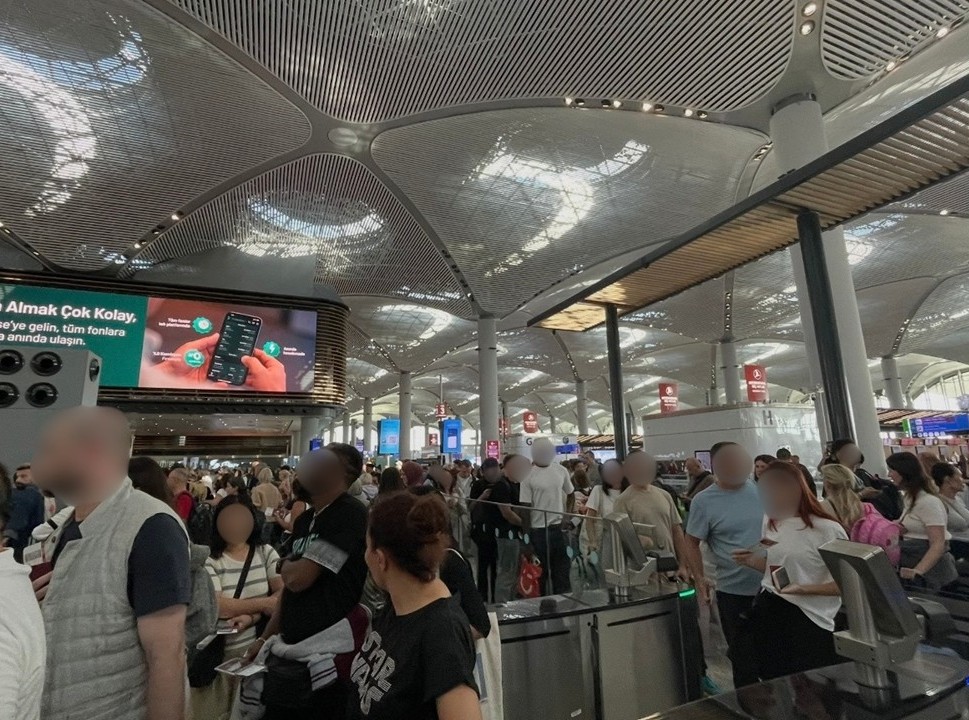
Because Istanbul Airport is such a large facility, there are several areas where congestion tends to occur. Security gates and immigration counters are typical examples, and depending on the time of day, you may find that getting through takes longer than expected. Planning your schedule with extra time will help you move through the airport without stress.
That’s all for the topics covered in this article. As one of the world’s largest hub airports, Istanbul Airport is used by countless travelers, whether for transit or sightseeing. Its sheer size can be overwhelming at times, but understanding its characteristics and key points in advance will help you enjoy a more comfortable experience. I hope this article helps ease any concerns you may have about traveling in Turkey or transiting through Istanbul, and contributes to a smoother and more enjoyable journey.