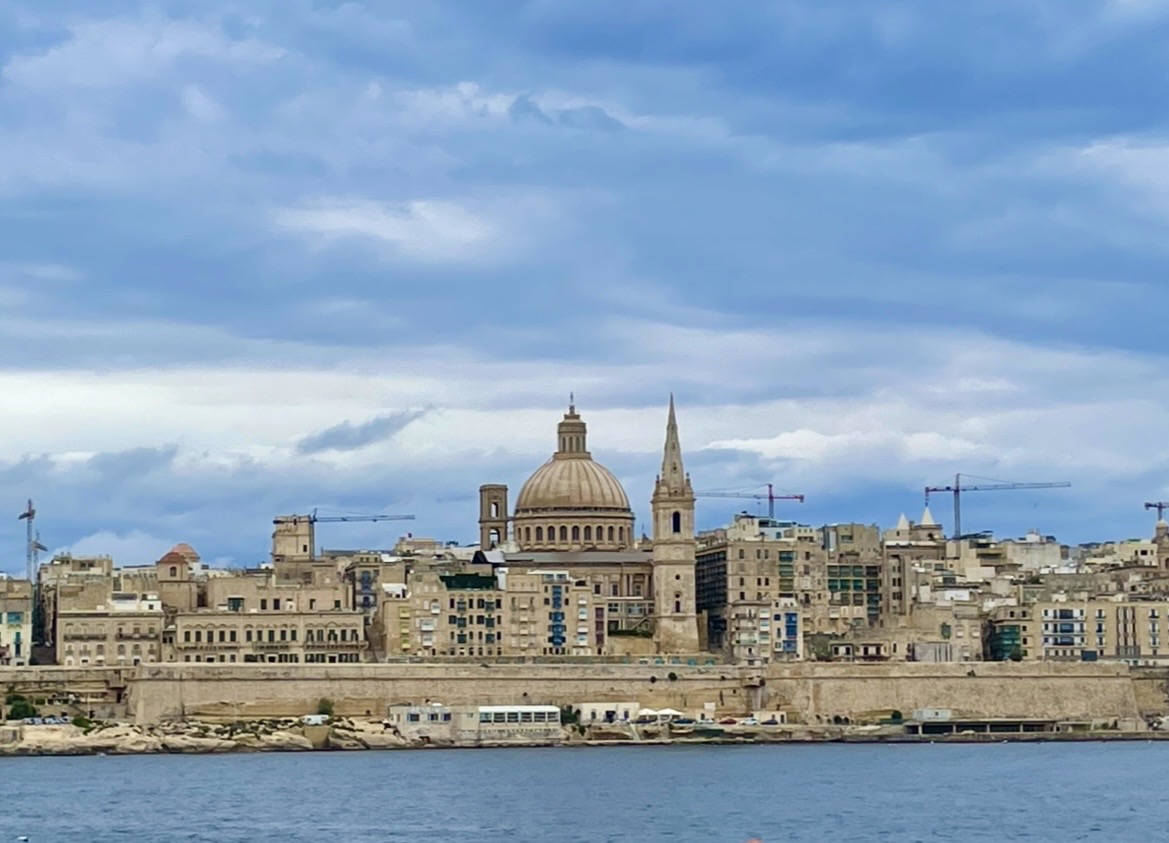


Floating at the heart of the Mediterranean, the small island nation of Malta offers a unique blend of history and culture. Walking through this country feels as if time gently slows down, revealing layers of stories shaped over centuries. Its most symbolic destination is the UNESCO‑listed capital, Valletta.
Beige‑colored buildings line the old town, stone‑paved alleys wind through the city, and a refreshing sea breeze flows in from the harbor. Simply strolling through the streets fills you with a natural sense of excitement. Because Valletta’s main attractions are compact and easy to reach, first‑time visitors can explore the city efficiently in just one day.
In this article, you’ll find essential information about Valletta, tips for getting around, and a practical one‑day itinerary you can follow. I’ve also included additional spots worth visiting if you have extra time, so you can use this guide to plan your perfect Malta trip.
Take a slow walk through this UNESCO‑listed city and soak in the scenery and atmosphere that define Malta. Now, let’s dive into the charm of Valletta.
What Is the Republic of Malta?
South of Italy, at the very center of the Mediterranean, lies the Republic of Malta—an island nation shaped by countless civilizations throughout history. Its beauty has earned it the nickname “The Jewel of the Mediterranean,” and the contrast between the deep blue sea and the warm beige cityscapes quietly captivates every visitor.
Although small in size, each island has its own distinct character. The UNESCO‑listed capital Valletta, the crystal‑clear waters of Comino, and the nature‑rich island of Gozo all offer diverse scenery even during a short stay. Malta is also known for its safety and the widespread use of English, making it an easy and comfortable destination even for first‑time international travelers.
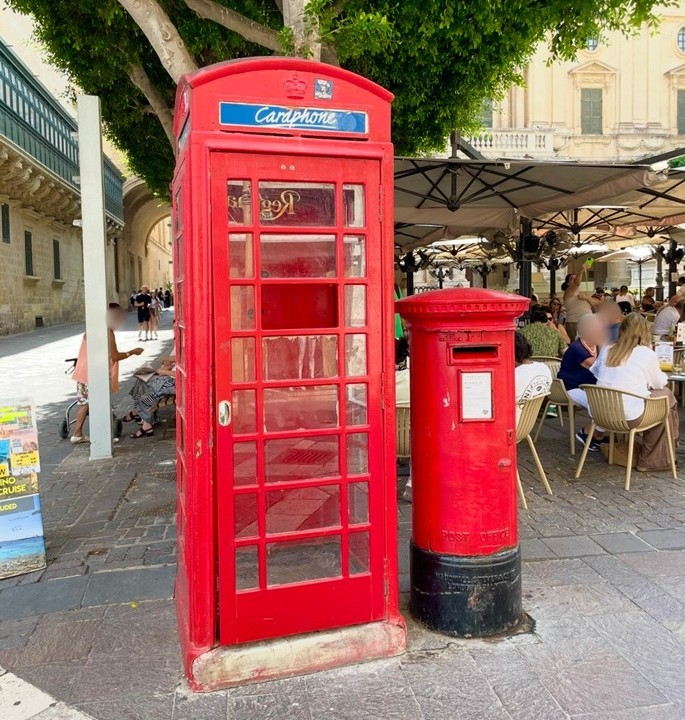
Throughout its long history, Malta has been ruled by various powers, but the influence of the British period remains especially strong today. You can still spot red telephone boxes and postboxes around the city, cars drive on the left side of the road, and English is used as an official language. This unique blend of European atmosphere with a distinctly British touch is one of Malta’s most charming cultural traits.
Flights to Malta mainly depart from major European cities, with direct routes available from London, Paris, Rome, Frankfurt, and other major hubs. As a result, many travelers choose to stop by Malta during a longer trip around Europe. Visitors traveling from Japan typically connect through Istanbul or Dubai, and the total travel time including transit is about 15 to 20 hours.
Malta International Airport is conveniently located about 20 minutes by car from Valletta, the capital, allowing you to begin sightseeing almost immediately after arrival. Blue seas, historic architecture, and the relaxed atmosphere of an island nation. Malta is a place where you can feel both the gentle charm of the Mediterranean and the depth of its long, layered history at the same time.
Overview of Valletta, Malta’s Capital
Valletta, the capital of the Republic of Malta, is a fortified city built in the 16th century by the Knights of St. John.
The entire city is registered as a UNESCO World Heritage Site, recognized for its high level of urban planning and the rarity of having so many historical buildings preserved in such a compact area. On a small peninsula just about one kilometer long, palaces, churches, and buildings connected to the Knights of St. John stand closely together, giving the city an atmosphere that feels like an open‑air museum of history.
The charm of Valletta lies in the coexistence of its weighty history and the bright Mediterranean spirit. Beige buildings glow softly under the sunlight, and as you walk along the stone‑paved alleys, you can feel both the strength of a fortified city and the openness of a port town. No matter where you walk, picturesque scenery unfolds around you, making the act of strolling itself one of the city’s greatest pleasures.
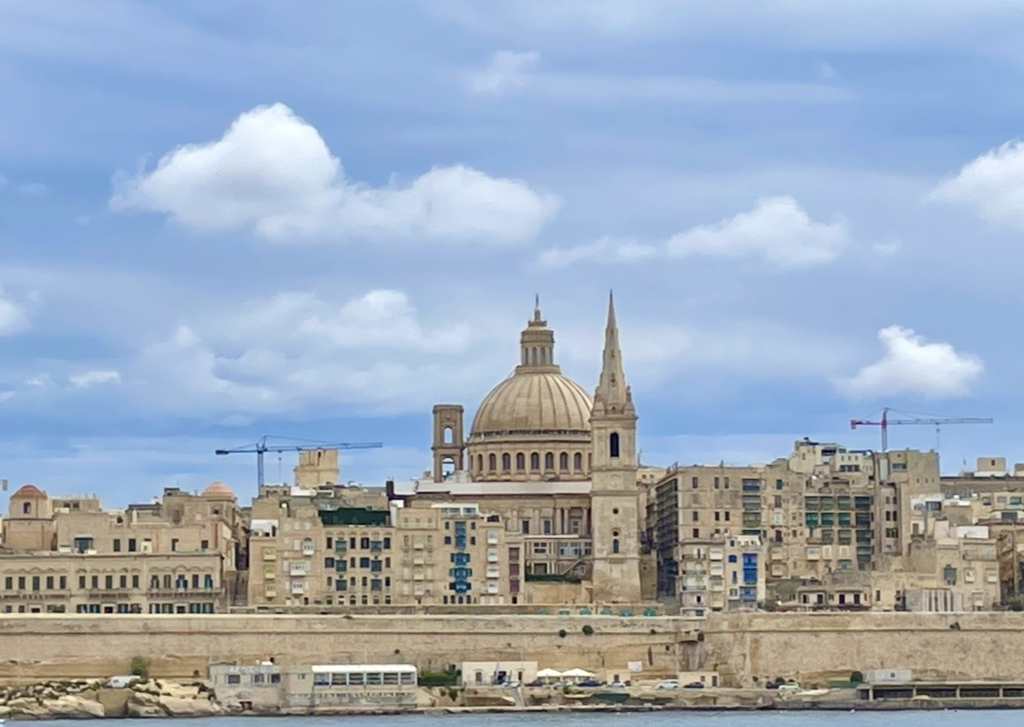
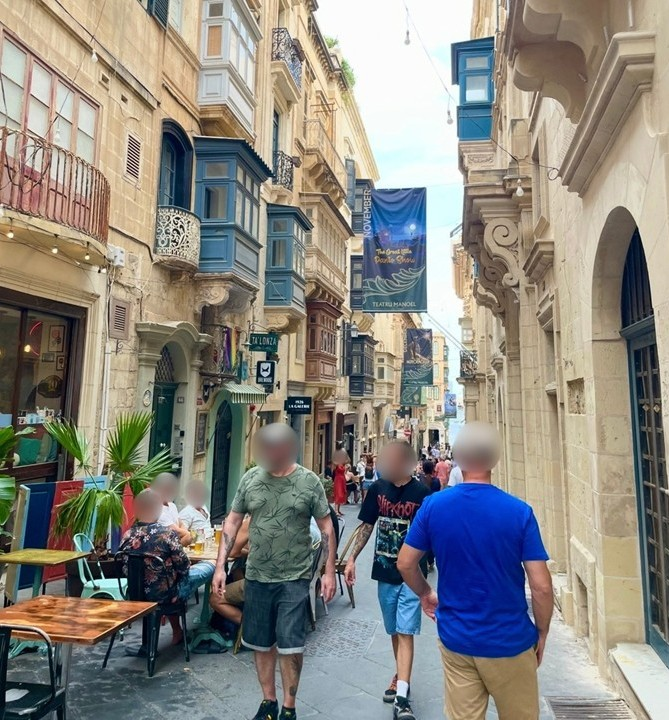
The city is compact, and all major spots can be explored on foot. It is a capital filled with history and beauty, making it easy to enjoy even on a first trip to Malta.
Tips for Walking Around Valletta
Valletta is a beautiful city where every street feels picturesque, fitting for a place designated entirely as a UNESCO World Heritage Site. The city is compact, and all major attractions can be explored on foot. For this reason, the best way to enjoy Valletta is simply to walk through it.
Because the city has many slopes and stairways, choosing comfortable walking shoes is essential. Roads leading toward the seaside often have steep ups and downs, so lightweight sneakers are ideal. Some stone‑paved alleys can be slippery, so be cautious on rainy days.
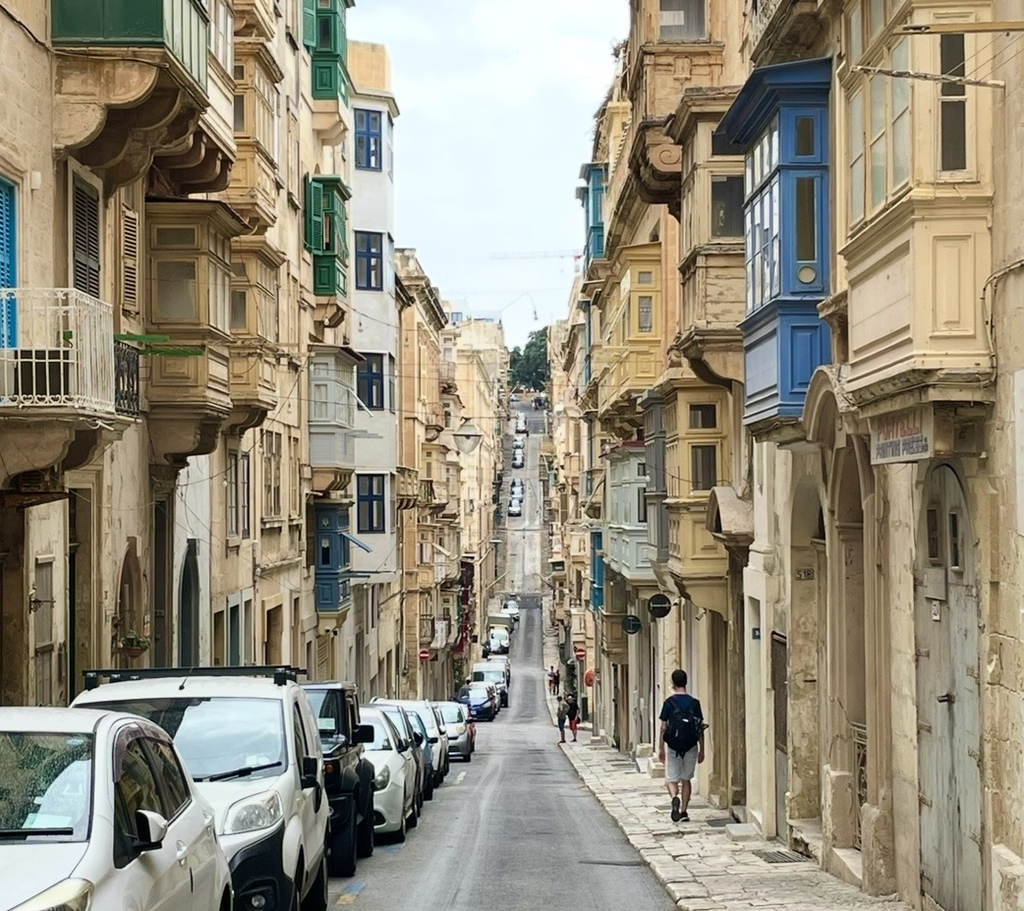
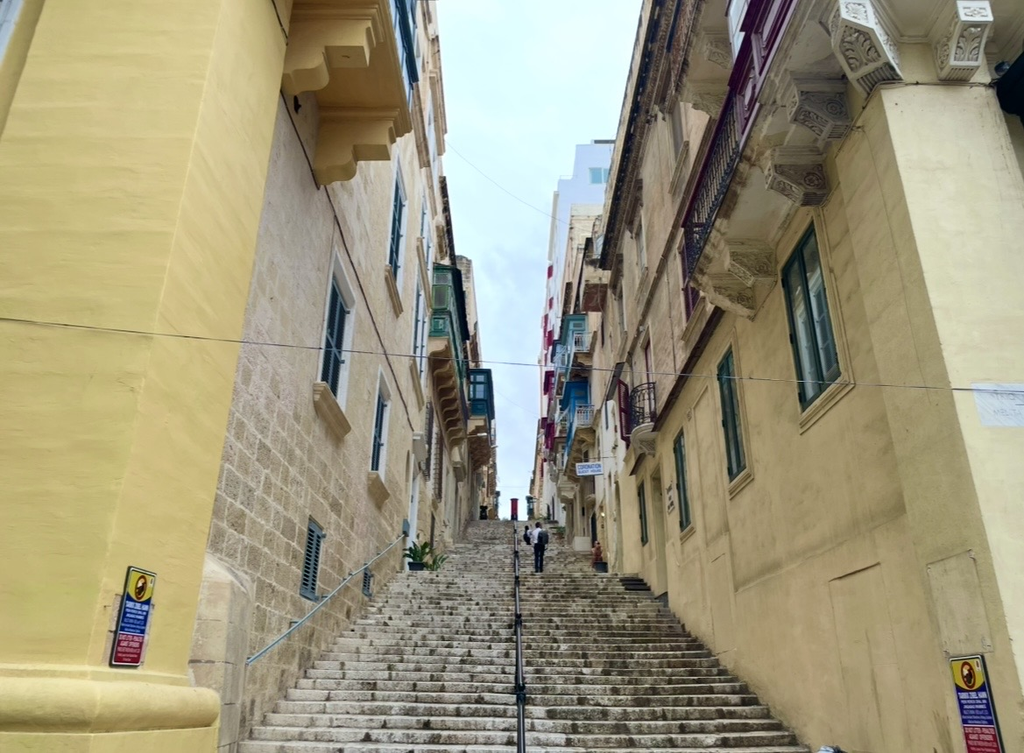
The Mediterranean sun can be stronger than you might expect. With many sunny days throughout the year and consistently intense sunlight, sunscreen is essential. It’s best to apply it not only to your face and arms but also to your neck and feet for full protection. Bringing a hat and sunglasses will make walking around the city even more comfortable.
There is also a small trick when choosing the best time for a stroll. In the morning, soft light wraps around the buildings, creating beautifully photogenic scenery. By late afternoon, the beige-colored architecture turns golden, and the sunset over the harbor casts a magical glow across the city. These times of day are perfect for photography.
One‑Day Itinerary: Model Course for Exploring Valletta
Valletta is compact in size, with major sightseeing spots clustered within walking distance. Because of this, even first‑time visitors to Malta can explore the city’s highlights in a single day, making it easy to enjoy Valletta efficiently while still appreciating its charm.
From the stately areas lined with historic buildings to scenic viewpoints where the Mediterranean breeze feels refreshing, and even outdoor street‑side dining, the scenery changes constantly as you walk. In this chapter, based on the impressions gathered while exploring the city on foot, we introduce a model course that allows you to enjoy Valletta comfortably without rushing.
St. John’s Co‑Cathedral
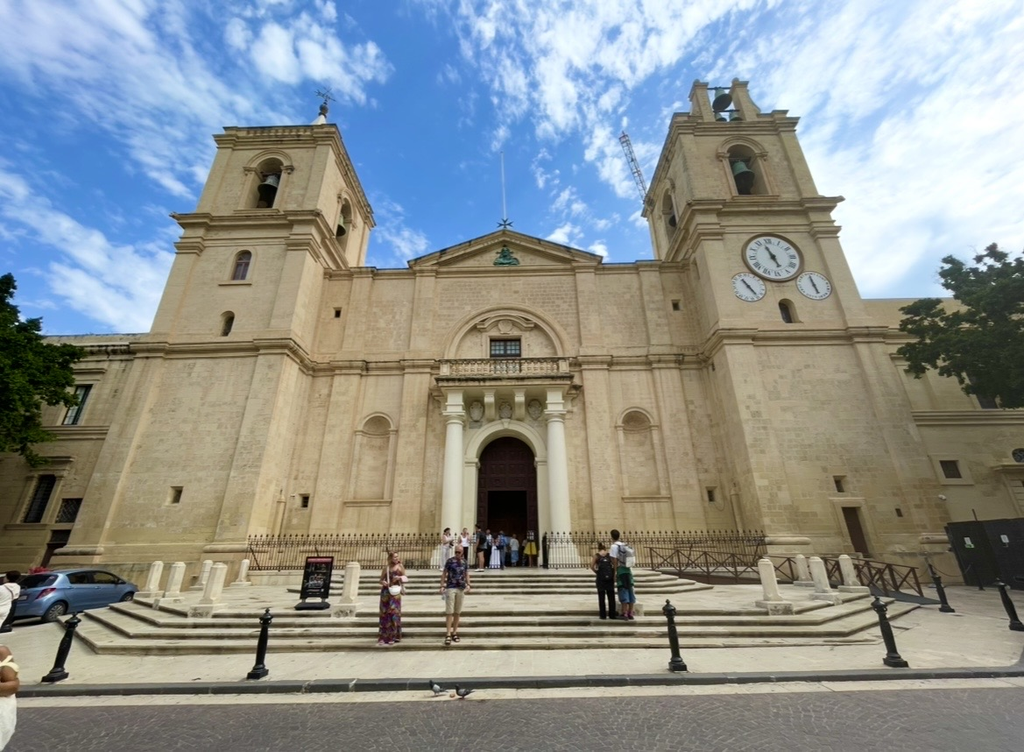
A place that should be included in every Valletta itinerary is St. John’s Co‑Cathedral.
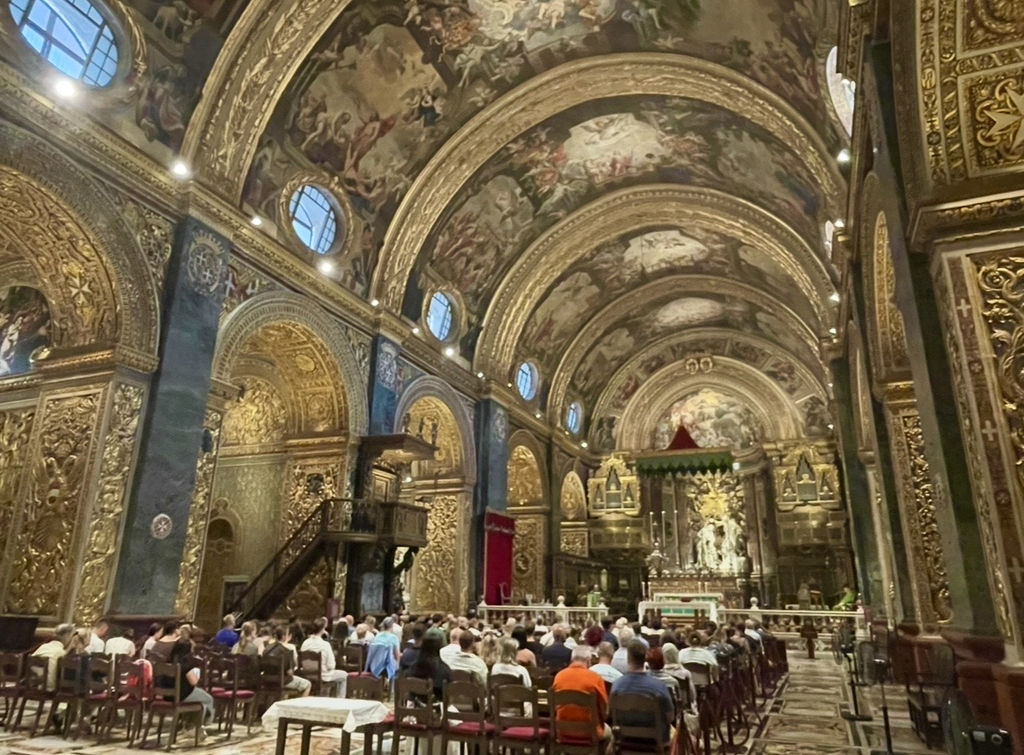
The exterior is surprisingly modest, and at first glance you may even wonder whether it is truly the famous cathedral. However, the moment you step inside, that impression changes completely. Every wall, column, and altar is covered in golden decoration, revealing one of the most magnificent Baroque interiors in all of Europe. This dramatic contrast is precisely why St. John’s Co‑Cathedral is considered Malta’s most important historical and artistic landmark.
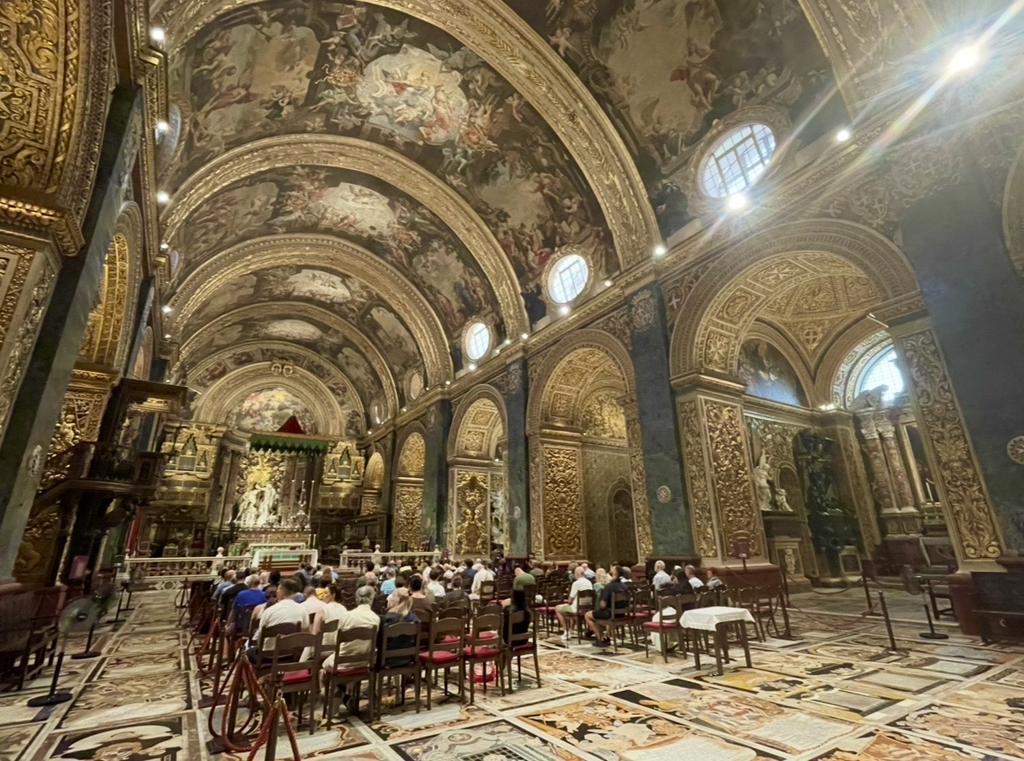
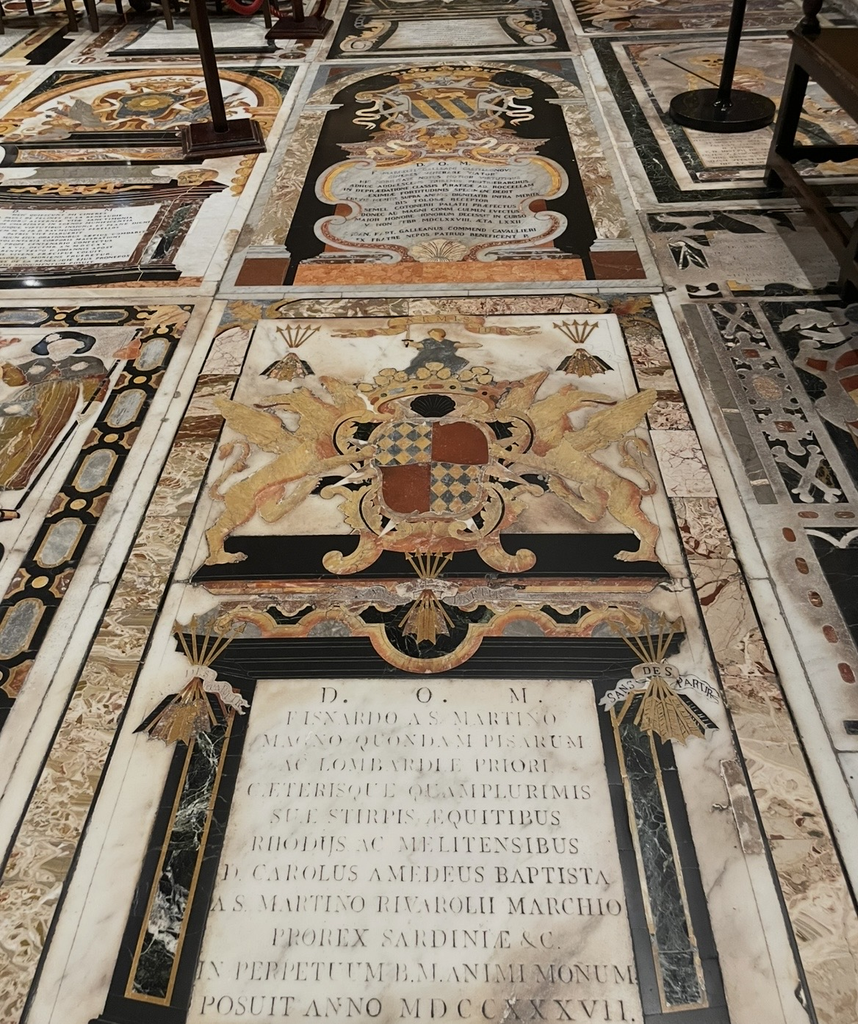
Alongside the lavish decorations, another striking element is the floor entirely covered with the tombstones of the Knights. Marble tomb slabs are arranged seamlessly, each engraved with colorful coats of arms, achievements, and symbols of the knights. This magnificent collection of tombstones beneath your feet quietly tells the story and pride of the Knights of St. John, and simply walking through the cathedral allows you to feel the powerful atmosphere of the era.
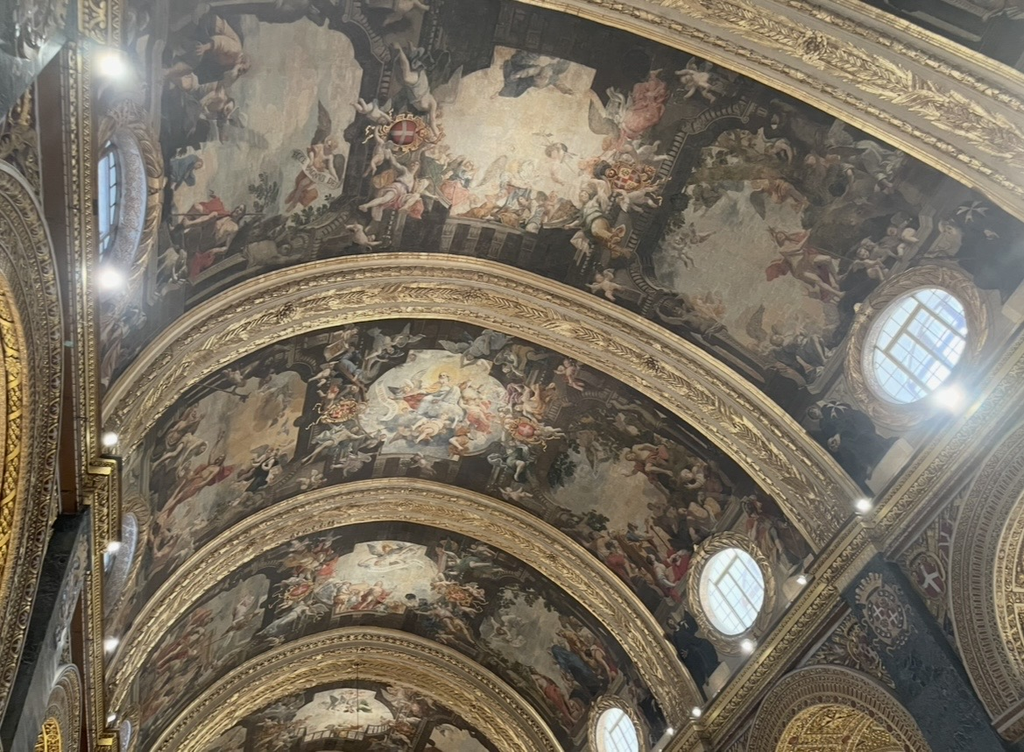
On the ceiling, a series of eighteen frescoes by the painter Mattia Preti depict the life of St. John, creating a sense of depth as new scenes appear each time you look upward. The level of opulence is unimaginable from the cathedral’s modest exterior, and the interior truly deserves to be called an artistic space.
According to official information, the cathedral is closed on Sundays, and only worshippers attending Mass are allowed to enter, meaning general tourists are not permitted. However, when I visited, general visitors were allowed to enter for free even during Mass. Although the accessible area was limited, photography was not prohibited, and staff were present, giving the impression that it was quietly tolerated.
However, Caravaggio’s masterpieces, The Beheading of Saint John the Baptist and Saint Jerome Writing, cannot be viewed during Mass. If you want to appreciate these works properly, you must visit on a regular operating day from Monday to Saturday and pay the admission fee.
Due to my schedule, I only visited during Mass and could not see these famous paintings. When I passed by on a regular operating day, there was an extremely long line at the entrance. Therefore, if you want to be sure to see these masterpieces, it is essential to plan your schedule with the crowds in mind.
St. John’s Co‑Cathedral is a special place where Malta’s history, art, and religion come together. The contrast between the exterior and interior, the knights’ tombstones, and the overwhelming Baroque decoration all make it an experience you can only have here.
The Grand Master’s Palace
This palace was built as the residence of the Grand Master, the highest authority of the Order of St. John. As the largest historical building in Valletta, its commanding presence in the city center quietly reflects the immense power once held by the Knights. Today, it serves as the Office of the President of Malta, with certain areas open to the public as a museum. Its close proximity to St. John’s Co‑Cathedral also makes it convenient to visit both sites together.
Tickets can be purchased from the ticket machines inside the building, which accept credit card payments. In addition to tickets for the palace alone, you can also choose combined tickets that include other sightseeing spots. At the entrance, there is a security gate, and bags or other personal belongings must be stored in the lockers.

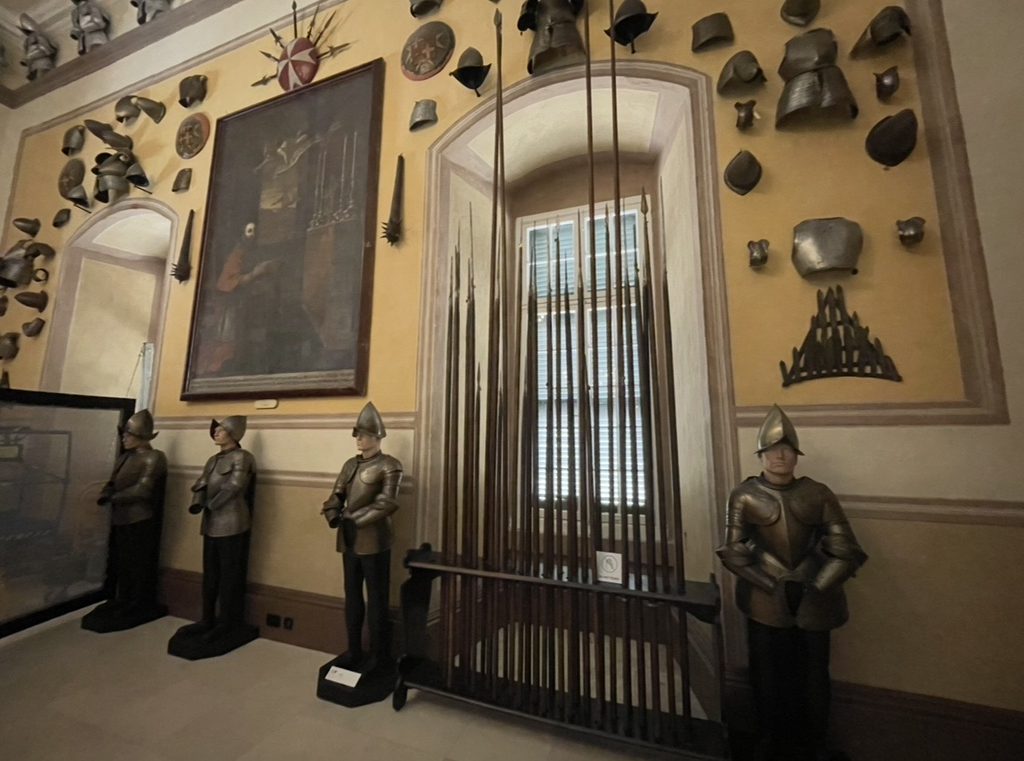
Inside the palace, you can explore various exhibits, including weapons related to the Order of St. John, historical documents, and portraits of past presidents. These displays offer insight into how the nation of Malta was shaped over time.
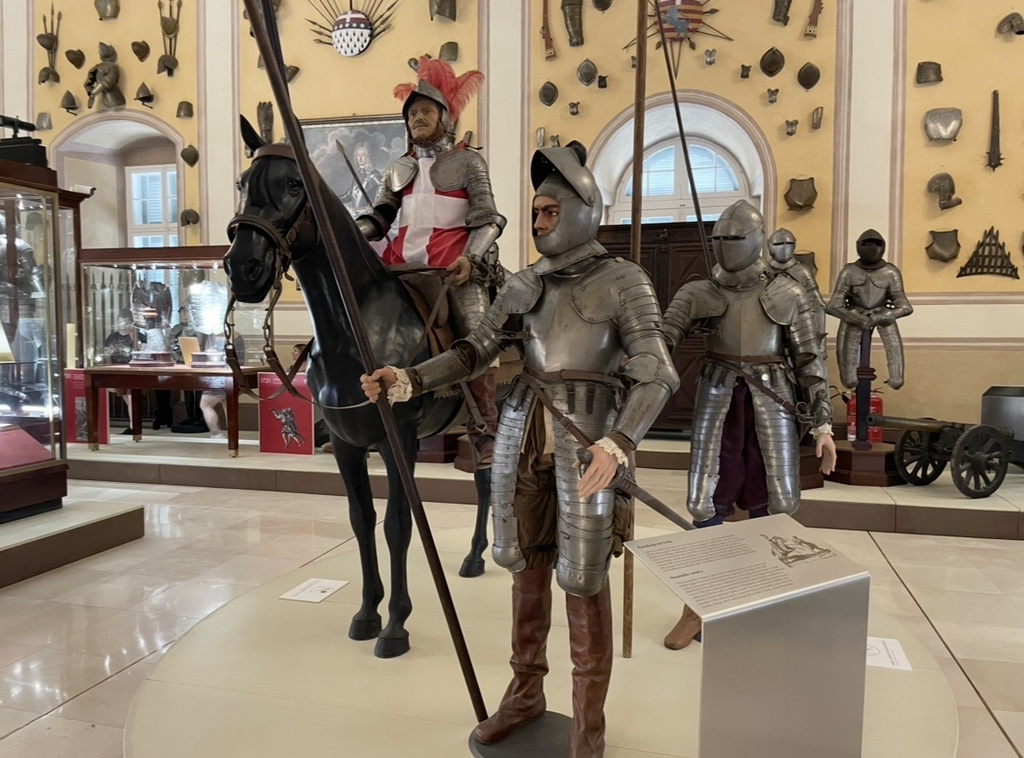
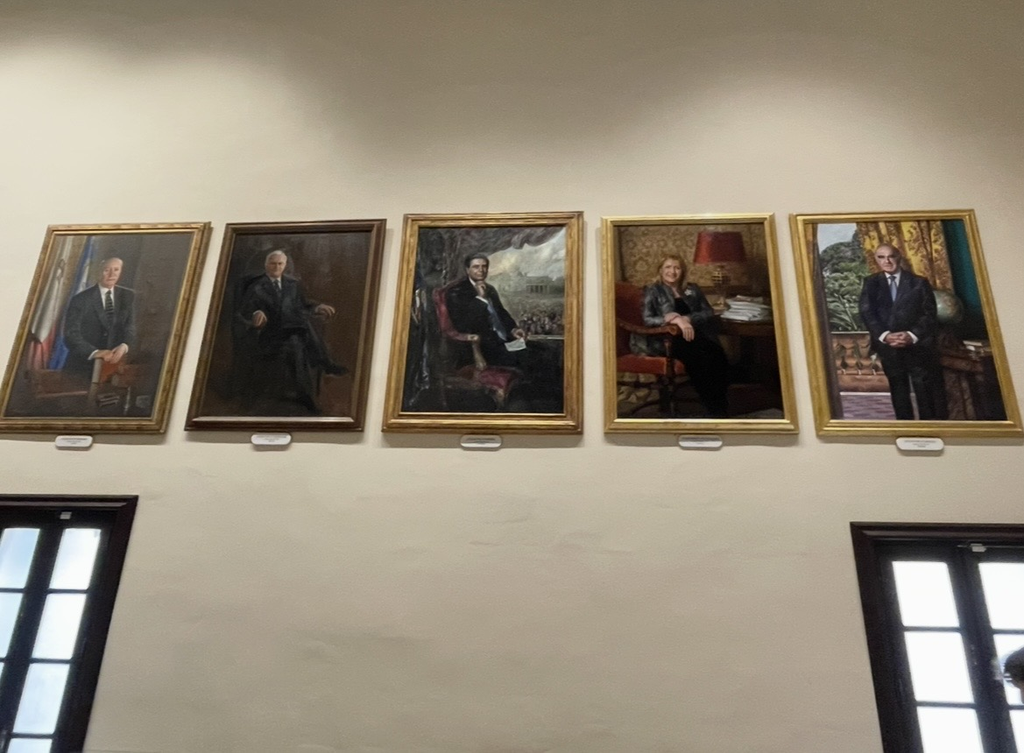
Beyond the exhibition rooms, the palace opens into spaces so luxurious that the word “palace” feels truly fitting. The high ceilings, decorated walls, and long corridors all convey a sense of grandeur, creating an almost exhilarating feeling as if you’ve stepped into the world of an RPG.
At the center of the building lies a quiet courtyard, and the stone‑walled space offers a calm atmosphere that contrasts beautifully with the ornate interior. The weight of the exhibits, the splendor of the palace, and the serenity of the courtyard blend together seamlessly, allowing you to relive the atmosphere of the era simply by walking through the space.
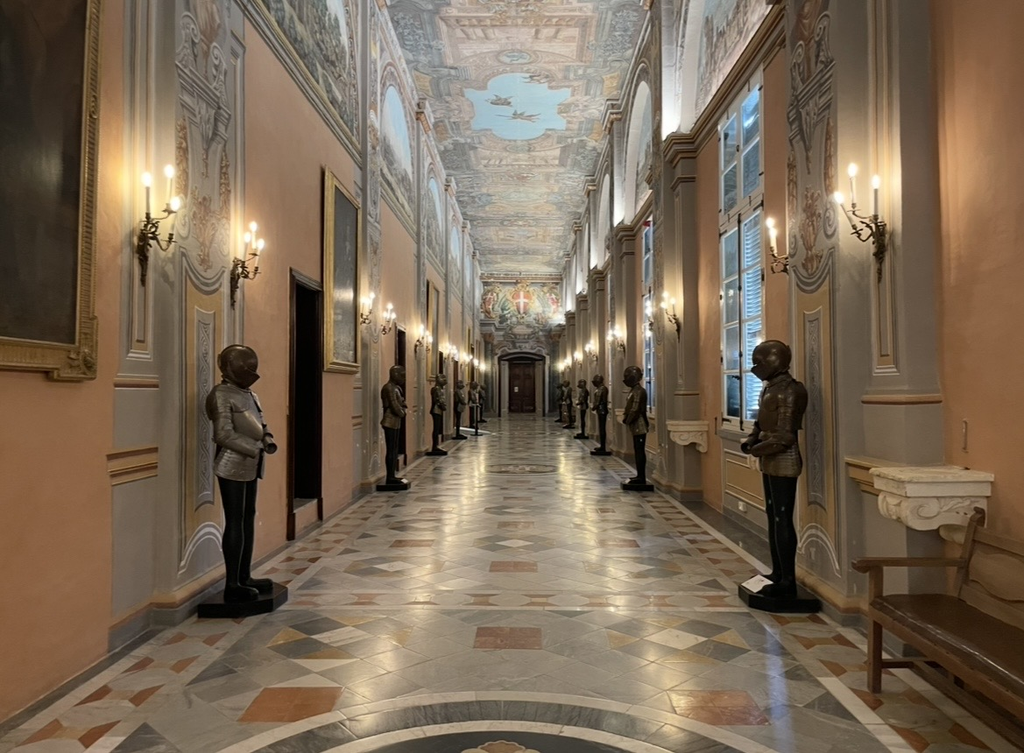
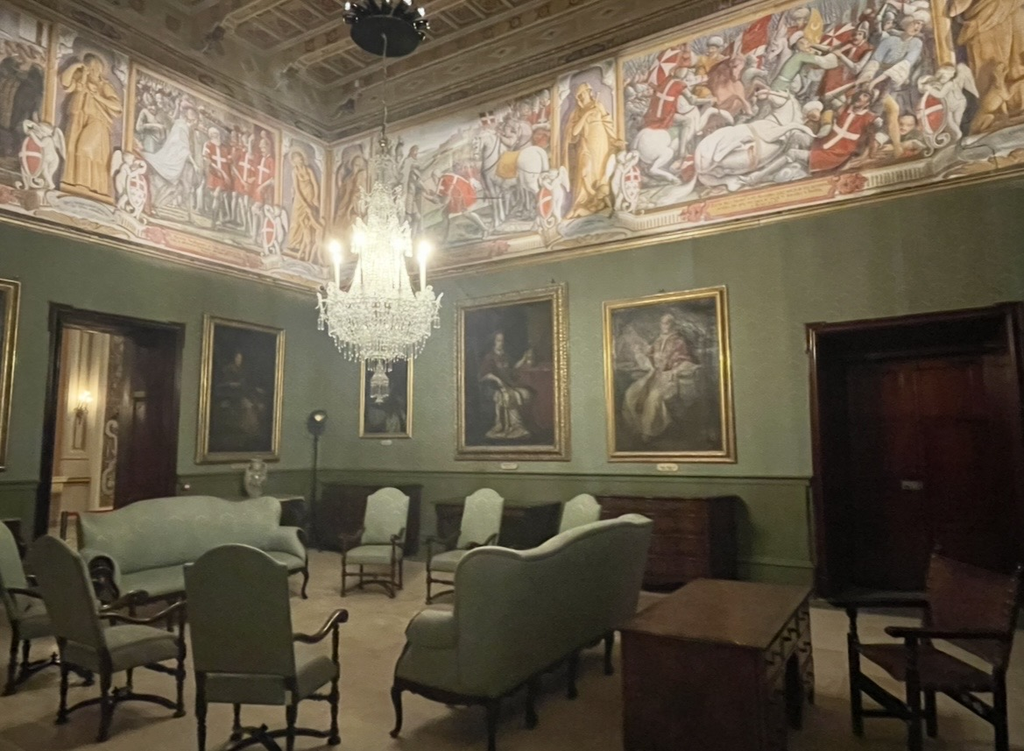
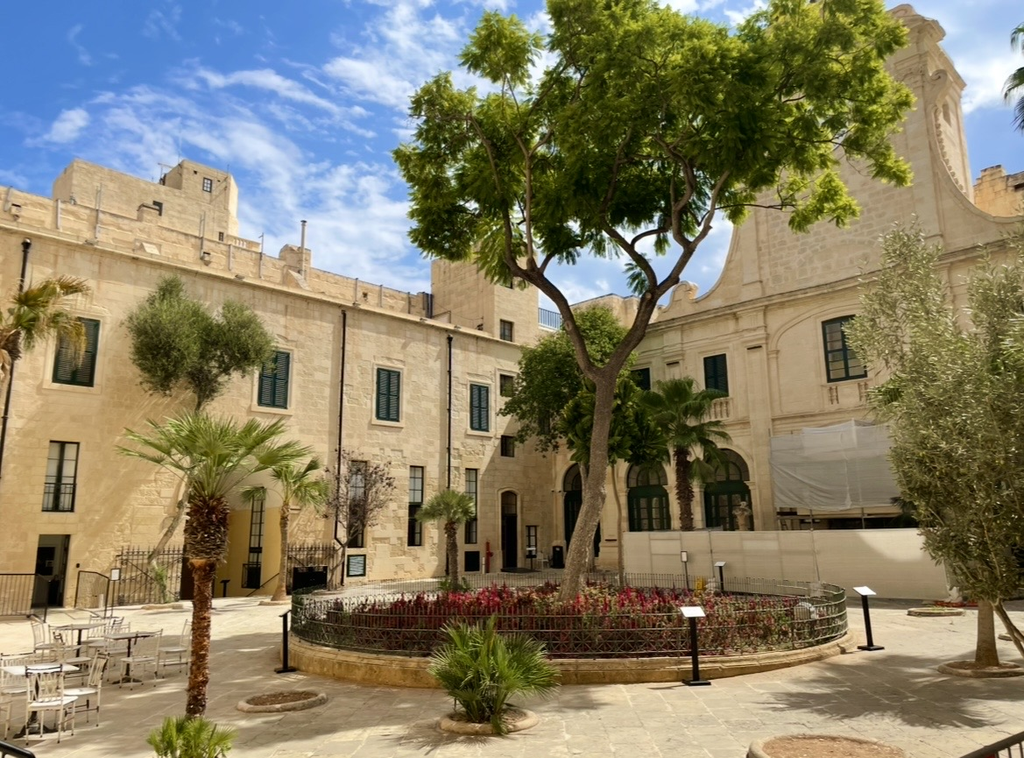
By visiting it together with St. John’s Co‑Cathedral, you’ll gain a deeper understanding of how the city of Valletta was shaped by the Knights.
Upper Barrakka Gardens
The Upper Barrakka Gardens were originally created as a place of rest for the Knights of St. John, and today they are one of Valletta’s most popular viewpoints.
You can enter through the gate free of charge, making it an easy spot to drop by between sightseeing stops.
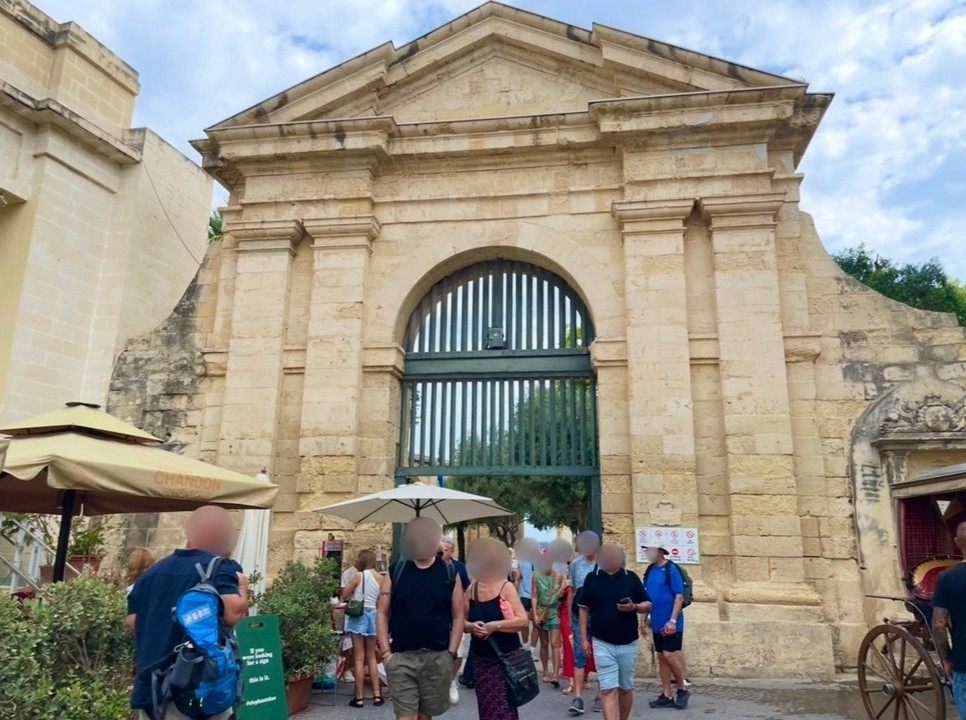
From the garden terrace, you can enjoy a sweeping view of the Grand Harbour, Malta’s largest port. The scenery of the blue sea and the fortified cityscape is truly breathtaking, and every angle feels photogenic. It’s a place where you can fully experience Valletta’s unique blend of Mediterranean brightness and deep historical weight.
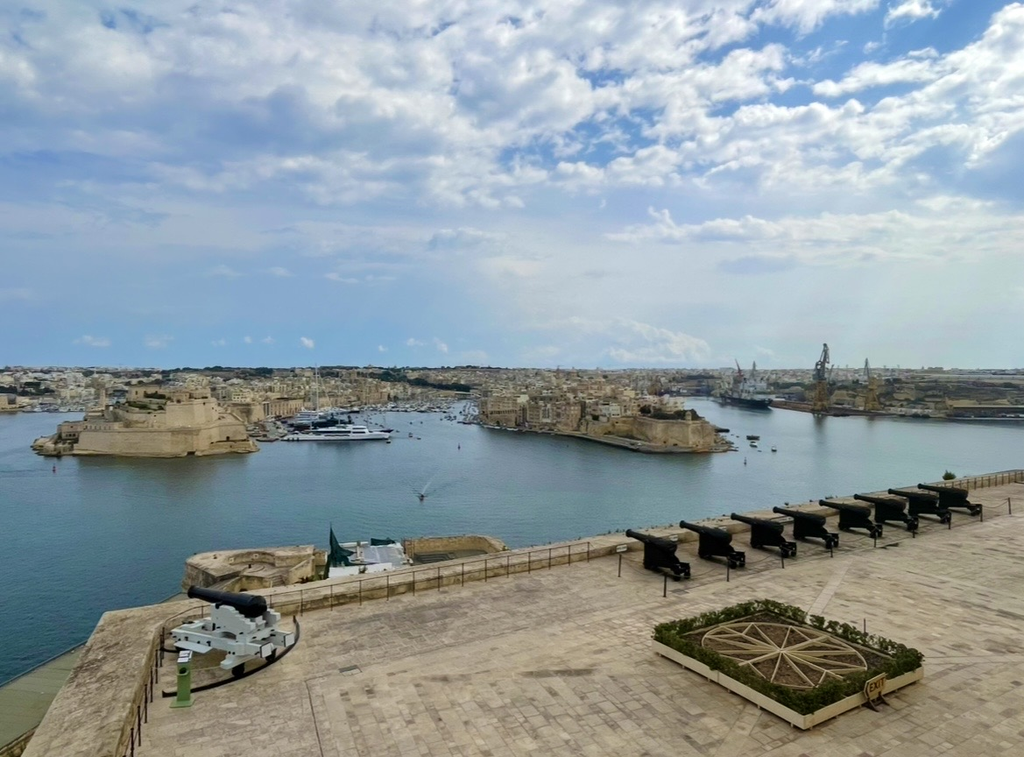
The main highlight here is the daily cannon firing (blank rounds) held at 12:00 and 16:00. As the time approaches, many people gather, and visitors begin securing their spots 20 to 30 minutes in advance. If you want to watch from a good position, it’s best to arrive around that time.
However, the viewing area offers almost no shade, so you’ll end up waiting in direct sunlight. During the summer, the sun can be extremely strong, making sunscreen and water essential. A hat or sunglasses will make the wait much more comfortable.
Not all cannons are fired; when I visited, only one was used. Even so, the impact was tremendous—the vibration and sound were powerful enough to be felt through the ground. The contrast between the garden’s peaceful atmosphere and the thunderous roar of the cannon is a unique experience you can only have here.
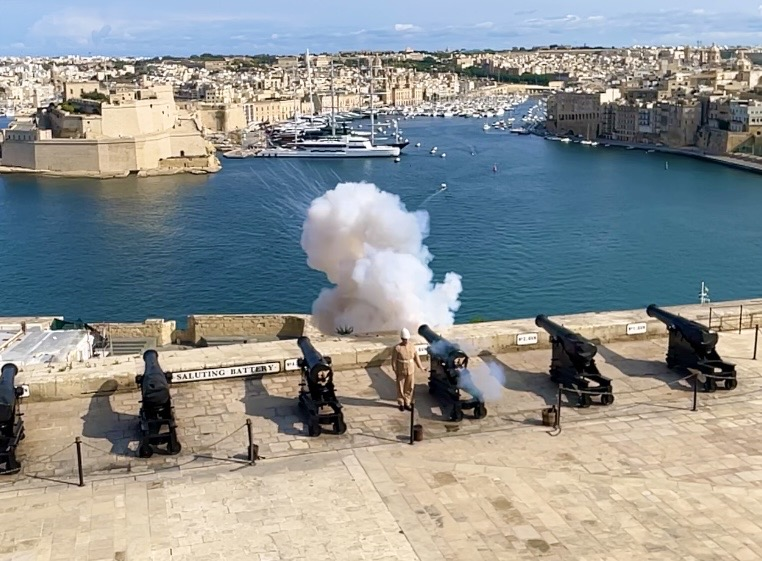
The Upper Barrakka Gardens are a must‑visit spot in Valletta, offering scenery, history, and unique experiences all in one place.
Lower Barrakka Gardens
Walking along the seaside path from the Upper Barrakka Gardens will lead you to the Lower Barrakka Gardens, a peaceful spot with a calm and quiet atmosphere.
In contrast to the lively Upper Barrakka Gardens, the Lower Barrakka Gardens offer a quiet, relaxing space overlooking the harbor. With fewer tourists, it’s a place where you can enjoy a calmer, more peaceful moment. It’s also known as a “hidden scenic spot,” offering a different angle of the Grand Harbour compared to the Upper Barrakka Gardens. The fortifications surrounding the port and the deep blue sea feel even closer here, making it an excellent location for photography.
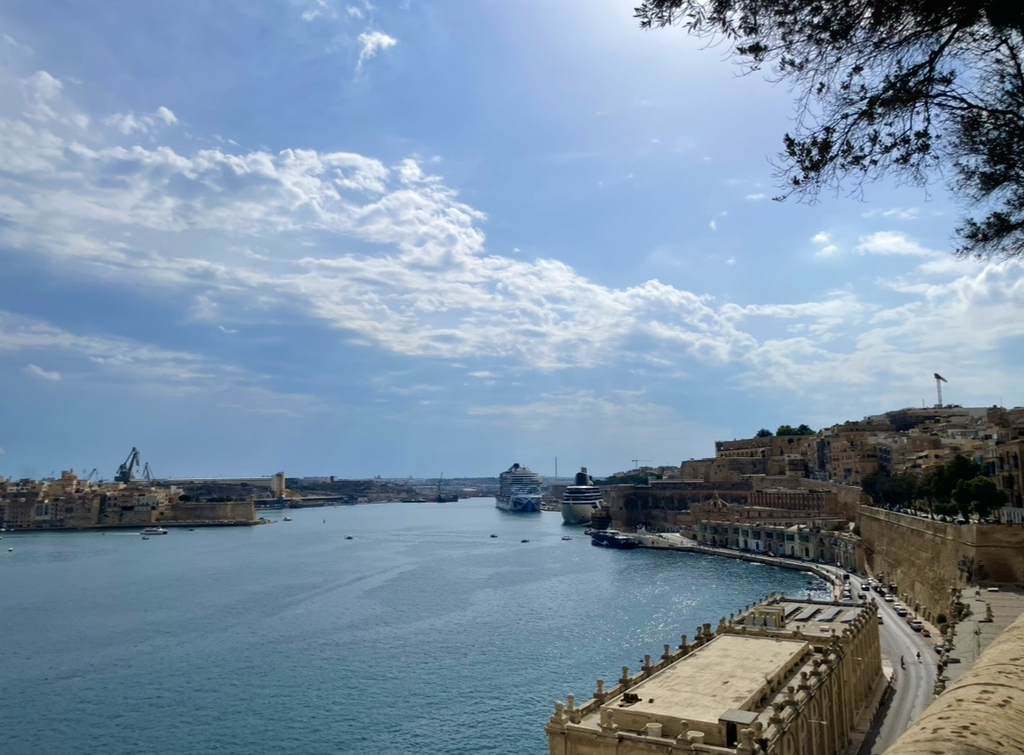
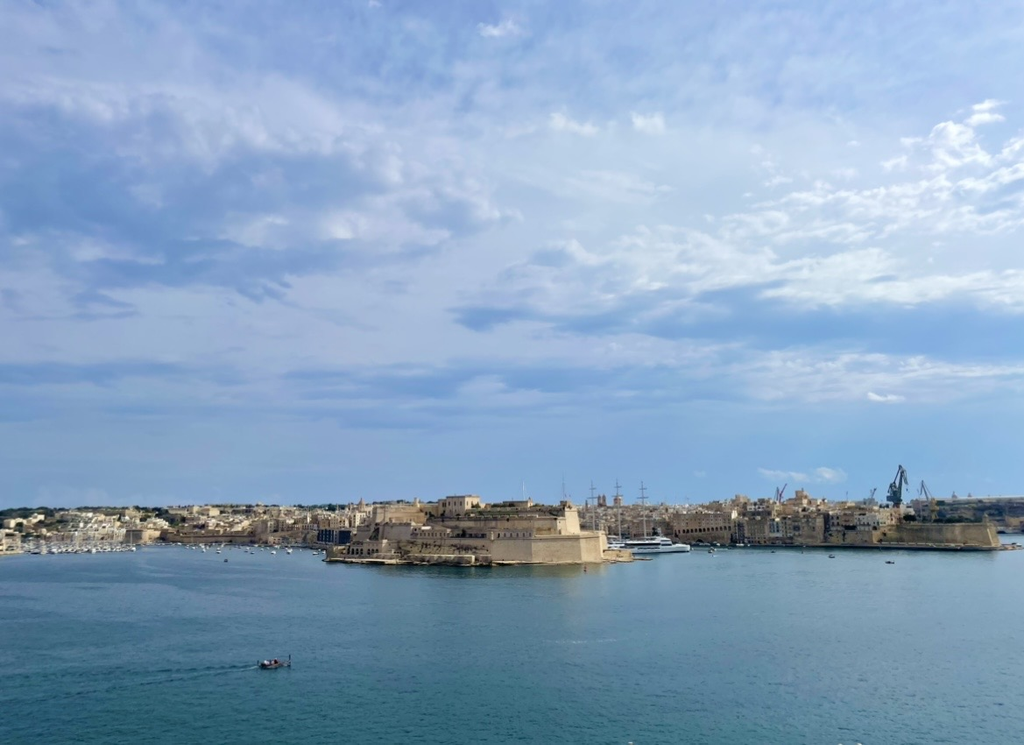
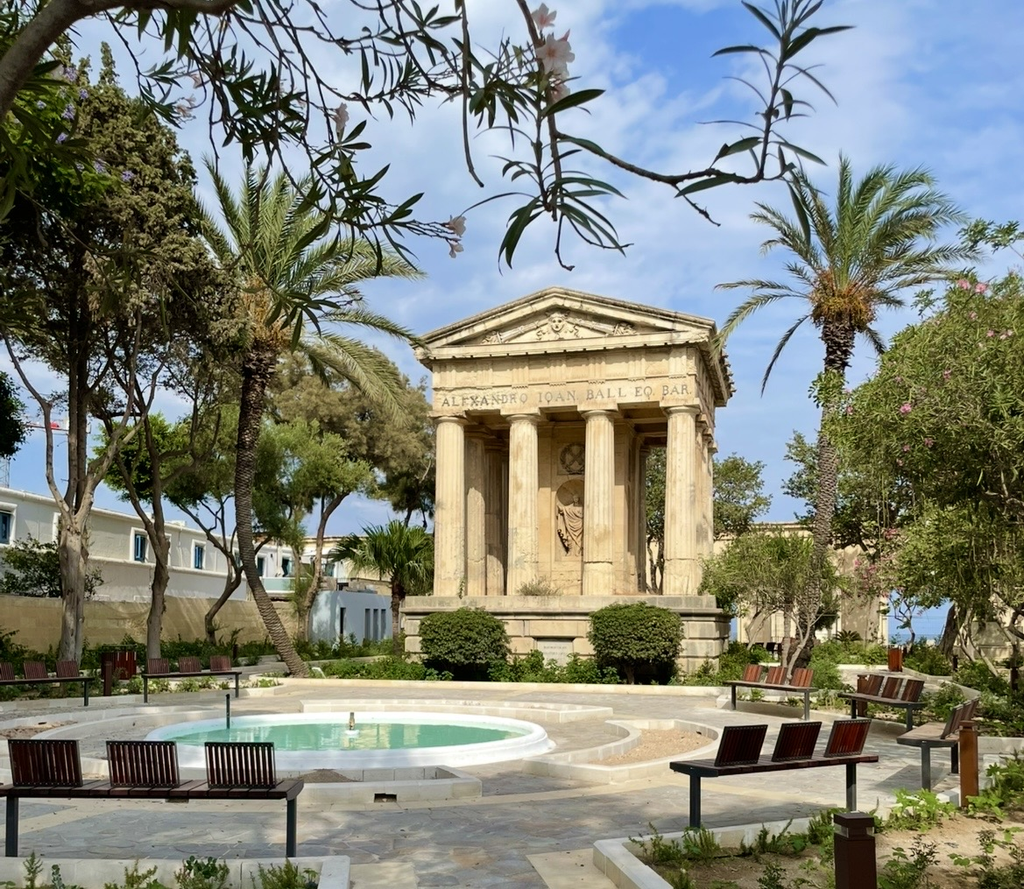
At the center of the garden stands the Alexander Ball Monument, a Greek‑temple‑style structure that serves as the symbolic landmark of the Lower Barrakka Gardens. Its classical design, with rows of stone columns, blends beautifully with the garden’s quiet atmosphere and has a kind of elegance that makes you want to pause during your walk.
Right next to the garden stands the massive Siege Bell War Memorial, another spot famous for its stunning views. From the terrace where the bell is located, you can enjoy an even wider panorama of the harbor, along with refreshing sea breezes that let you fully appreciate Valletta’s characteristic scenery.
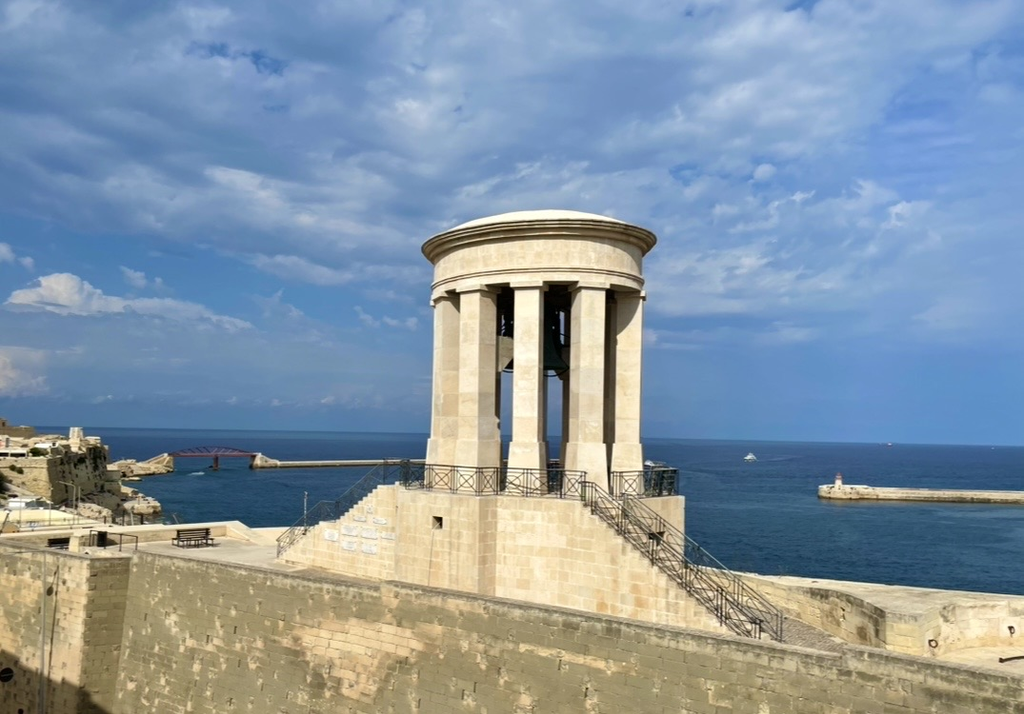
After enjoying the lively atmosphere of the Upper Barrakka Gardens and the powerful cannon firing, stepping into the quiet Lower Barrakka Gardens lets you see a completely different side of the same harbor. Even though you’re looking at the same view, the mood feels entirely different.
Fort St. Elmo
Fort St. Elmo is located just a short walk from the Lower Barrakka Gardens, and you can reach it by following the path along the coastline.
Built on a point that juts out into the sea, Fort St. Elmo is known as Valletta’s most important fortress and a symbol of the city’s military history. It served as a defensive stronghold protecting the “gateway” to the city, playing a crucial role in preventing enemy invasions throughout its long history. The fort is especially famous for the Great Siege of Malta in 1565, when the Ottoman Empire attacked the island. Fort St. Elmo became the site of fierce battles and is remembered as the place where the Knights made their final stand.
Admission requires a ticket, which can be purchased at the ticket machine inside the building next to the entrance gate. Credit cards are accepted.
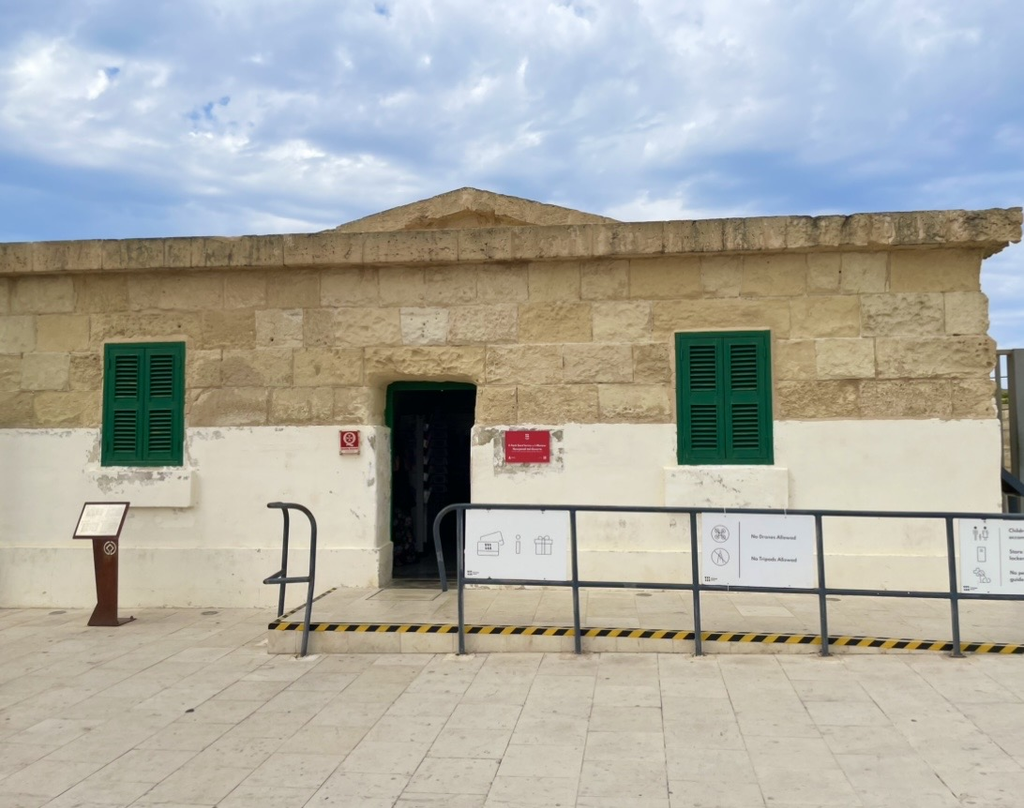
Inside the fort, the original structure of the military stronghold remains intact, offering plenty to explore. Its sharp, angular star‑fort design, thick and solid walls, and gun batteries overlooking the sea all reflect the strategic thinking of the era. The Mediterranean views from the fort are spectacular—the contrast between the deep blue sea and the stone fortifications creates a dramatic scene you can only experience here.
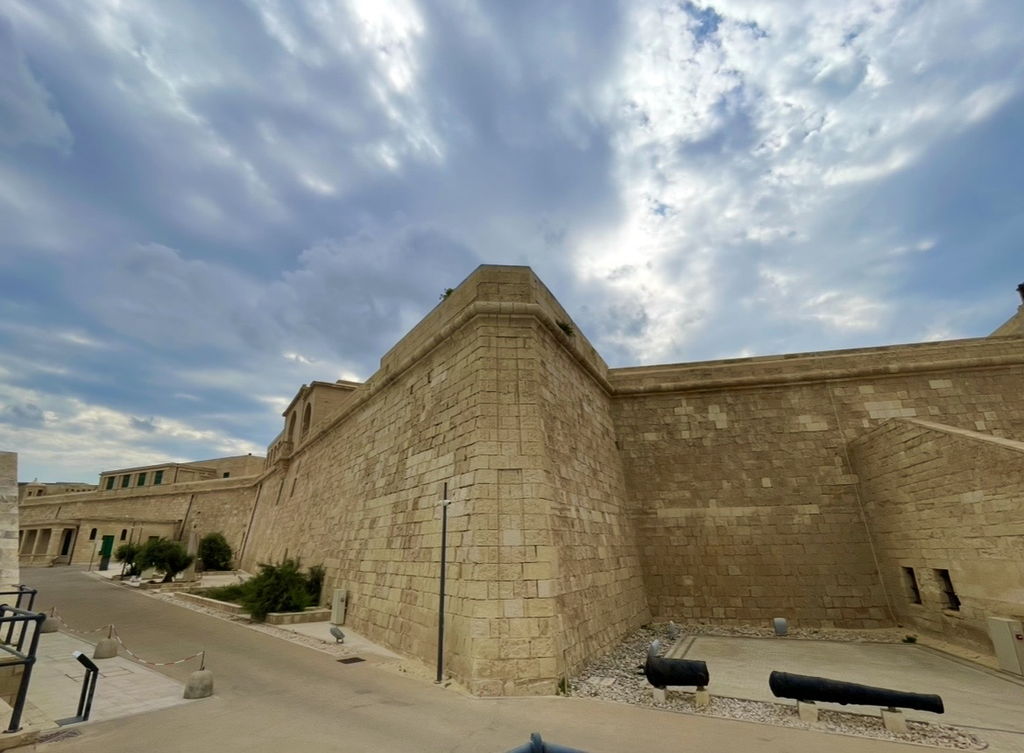
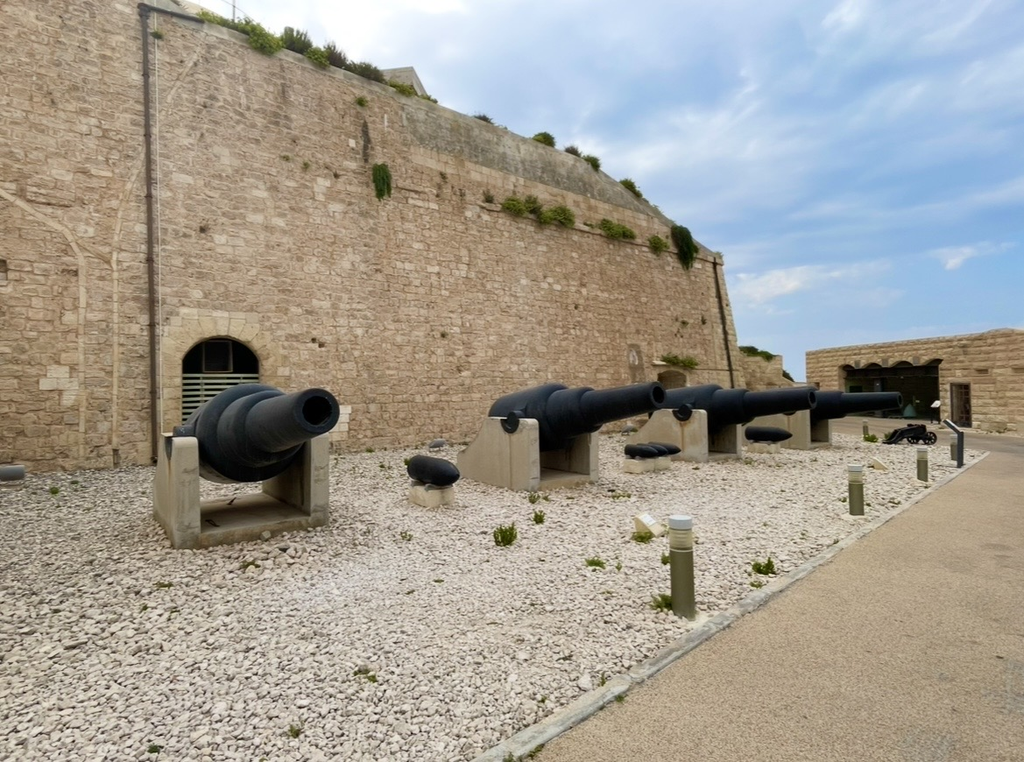
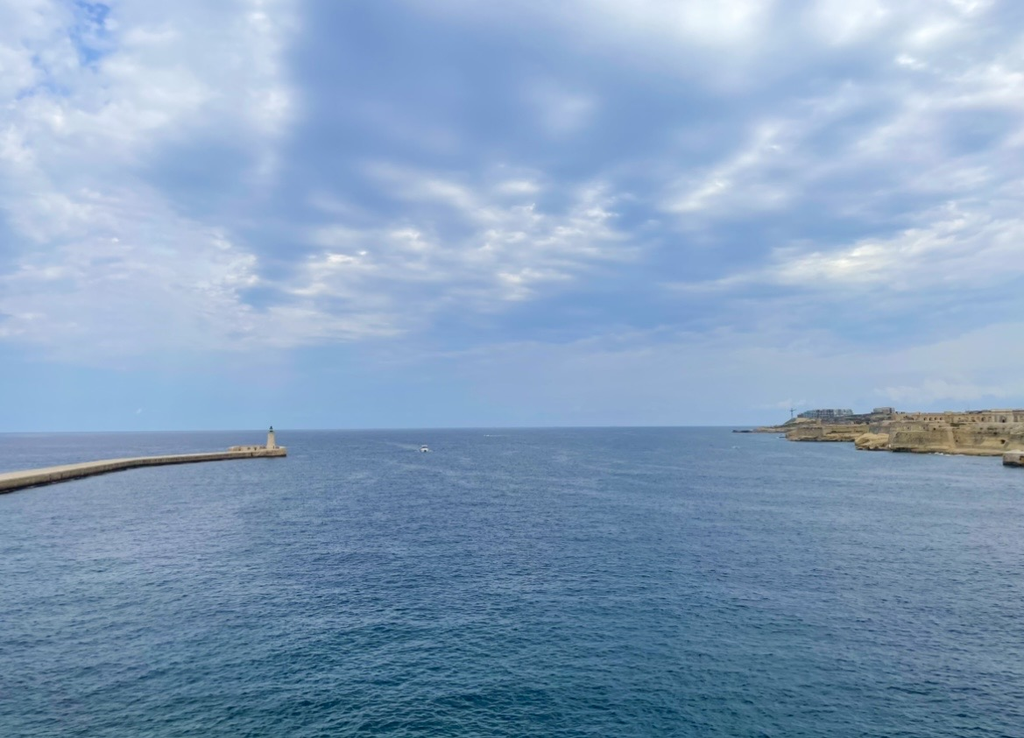
It’s a place that brings together history, military significance, and stunning scenery, making it essential for anyone who wants to understand Valletta’s origins more deeply.
Strolling Through Valletta
While you’ll naturally walk through parts of the city as you visit different attractions, if you have extra time, I highly recommend taking a slow, deliberate stroll through Valletta itself. As a UNESCO World Heritage city, beauty can be found not only on the main streets but also in the most ordinary alleys—every step brings a new discovery.
Republic Street, the main thoroughfare, is lively and full of visitors, with cafés and shops lining both sides, creating a vibrant and energetic atmosphere.
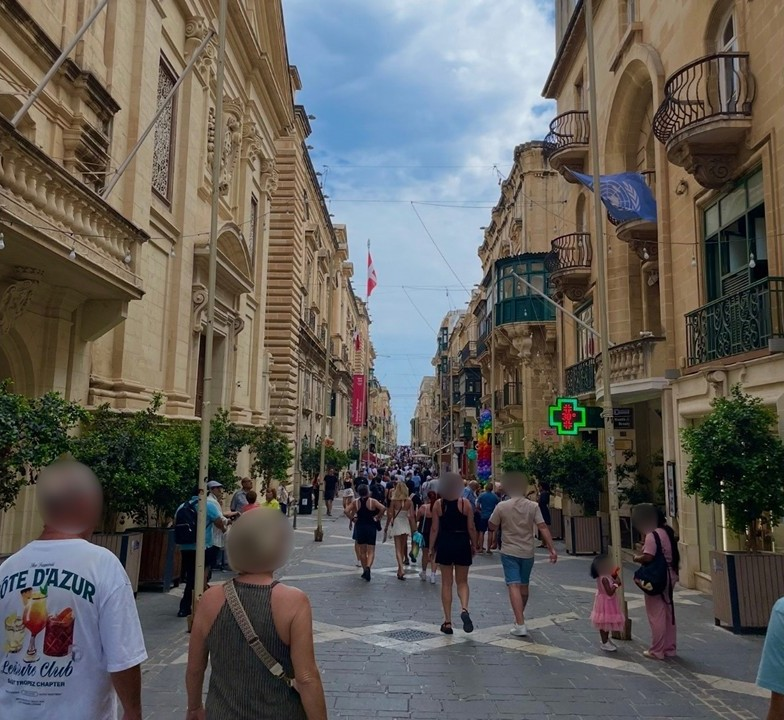
Step into one of the side alleys, and the atmosphere changes instantly. Quiet churches and statues of the Virgin Mary stand tucked away, stone arches stretch overhead, and vibrant bougainvillea adds color to the narrow streets. Everywhere you look feels like a perfect photo spot, and you’ll find yourself wanting to take pictures again and again.
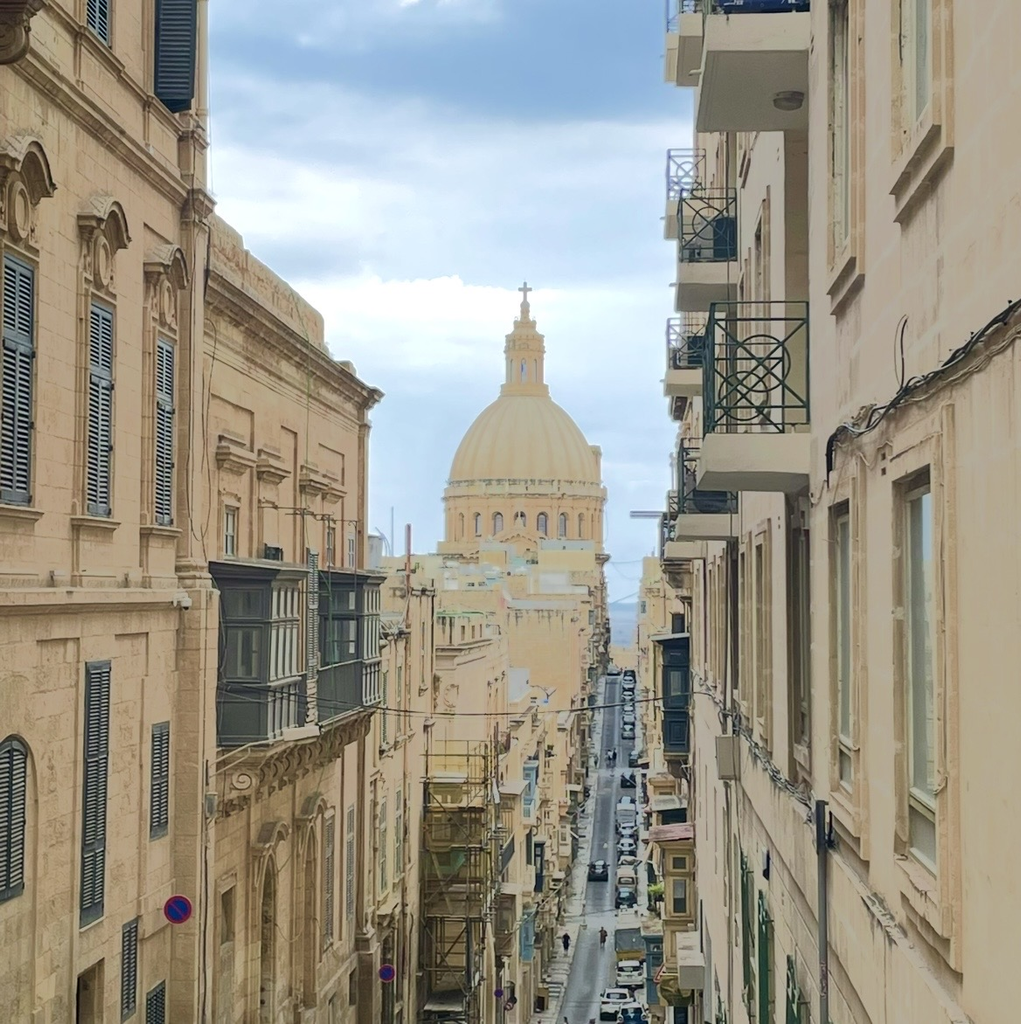
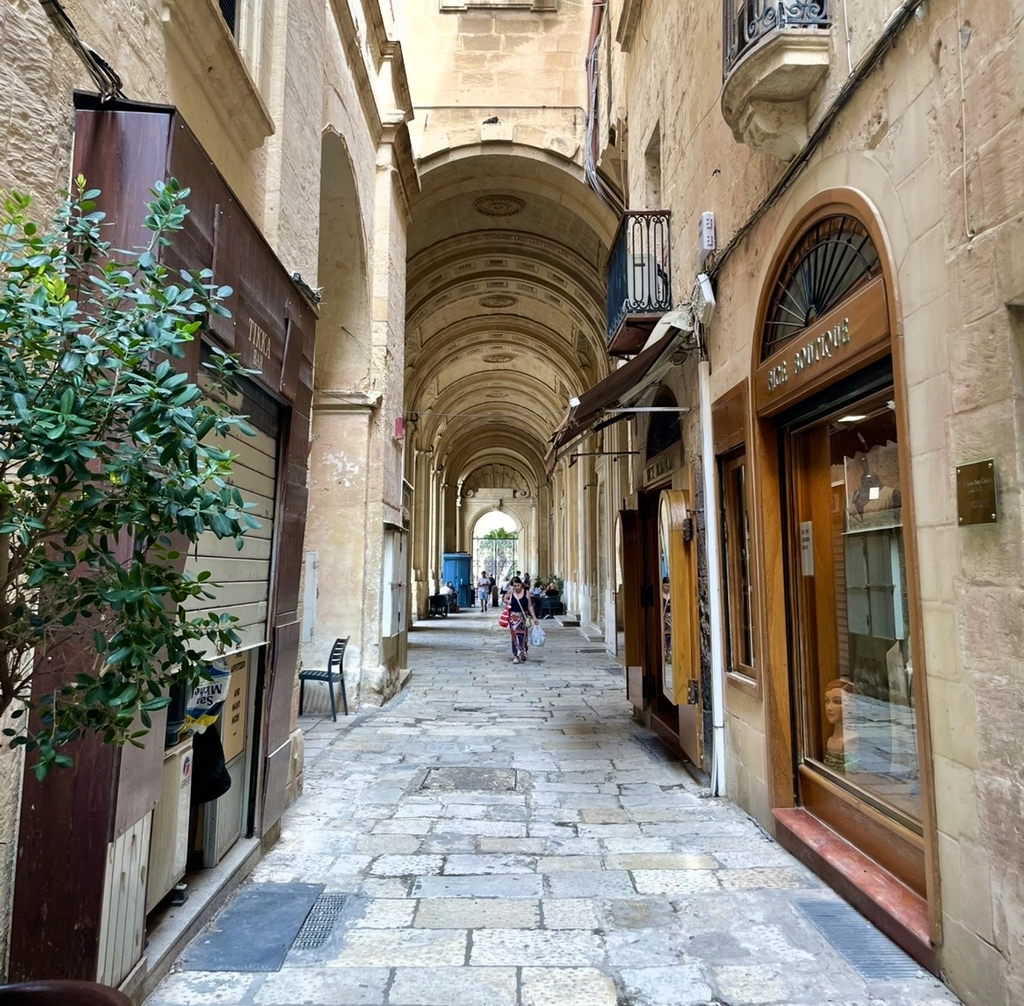
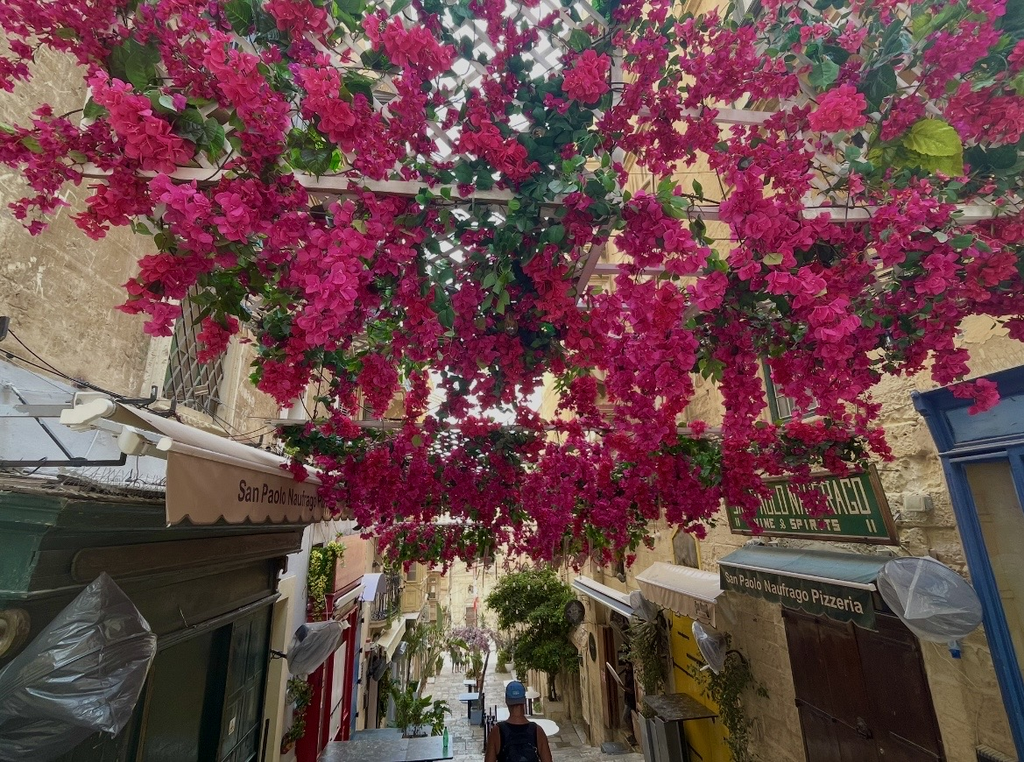
At City Gate and Victoria Gate, you can feel the atmosphere of a fortified city. Their imposing structures tell the story of Valletta’s long and rich history.
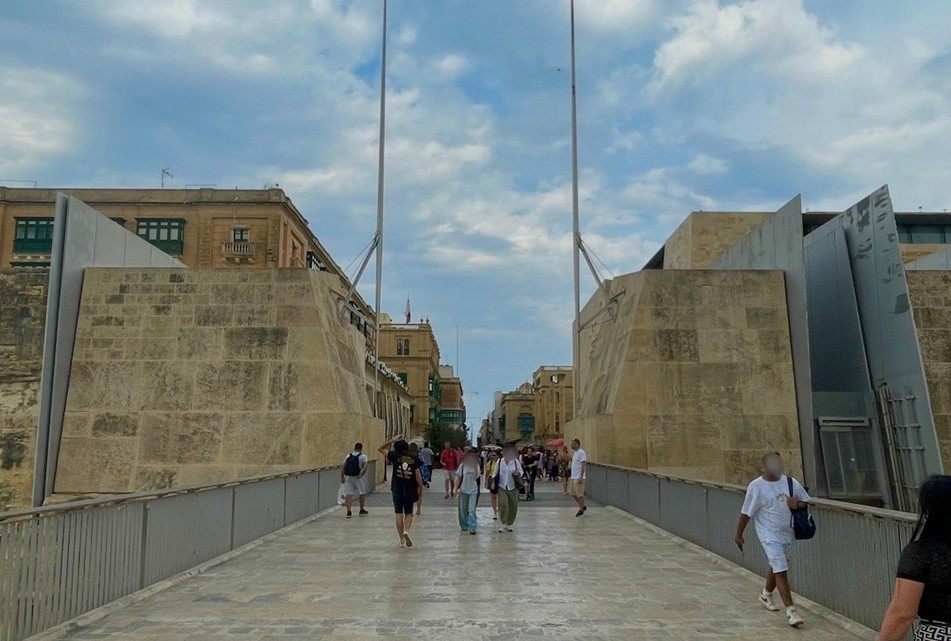
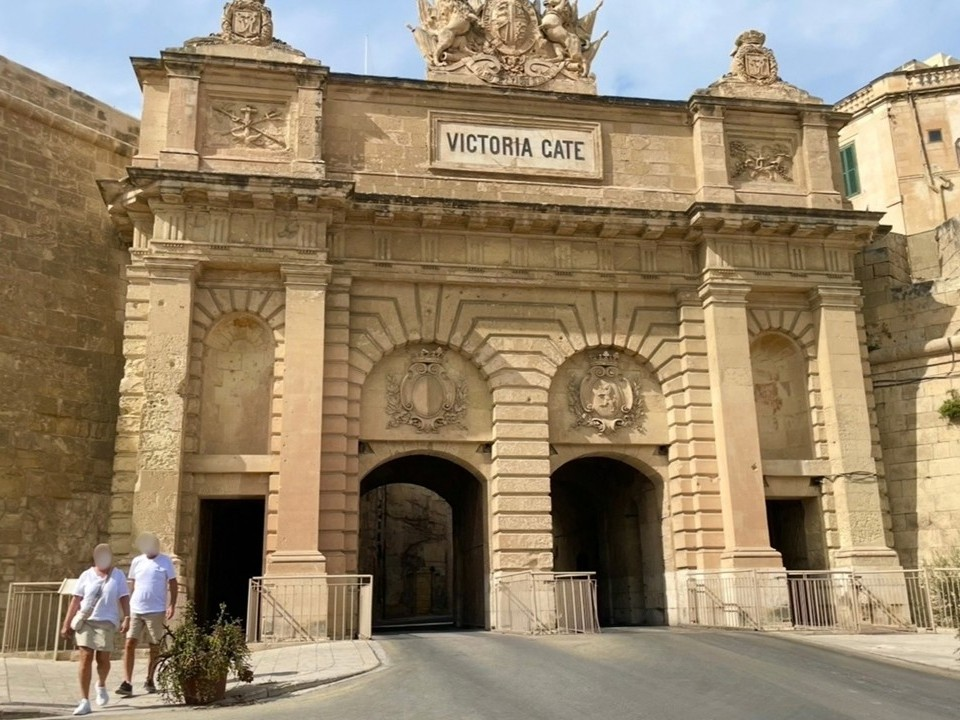
From time to time, horse‑drawn carriages pass slowly through the streets, adding a gentle touch of foreign charm. When you step away from the busy tourist areas and wander through the quiet residential neighborhoods, you can sense the everyday life of Valletta, which makes the city’s appeal stand out even more.
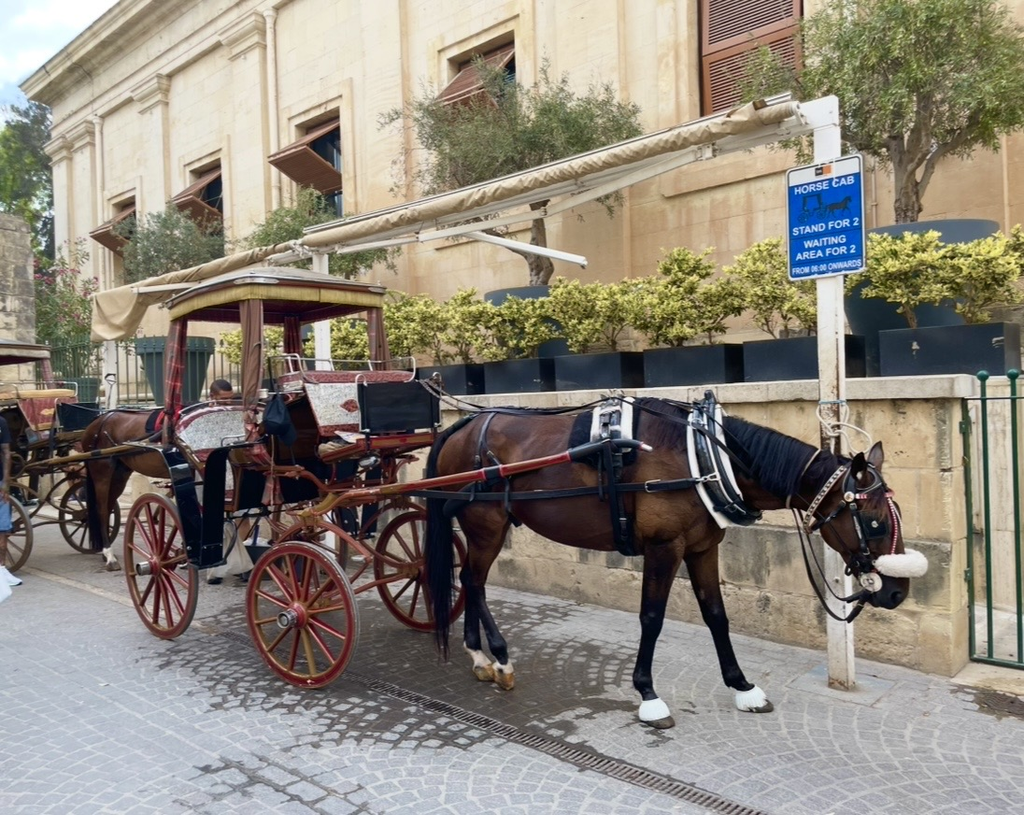
Valletta is a compact city, so even a short stroll between sightseeing spots can deepen your overall impression of the trip.
Places to Visit If You Have Extra Time
Valletta is a compact city, so you can cover the main sightseeing spots in a single day. But if you have a bit more time, it’s worth diving a little deeper to broaden your experience of the city. Visiting local markets, exploring the neighboring towns across the harbor, or enjoying a meal on Valletta’s signature street terraces can all enrich your trip, even if you just stop by between attractions. Each of these spots is easy to reach, making them simple to fit into your schedule.
Valletta Food Market (Is‑Suq tal‑Belt)
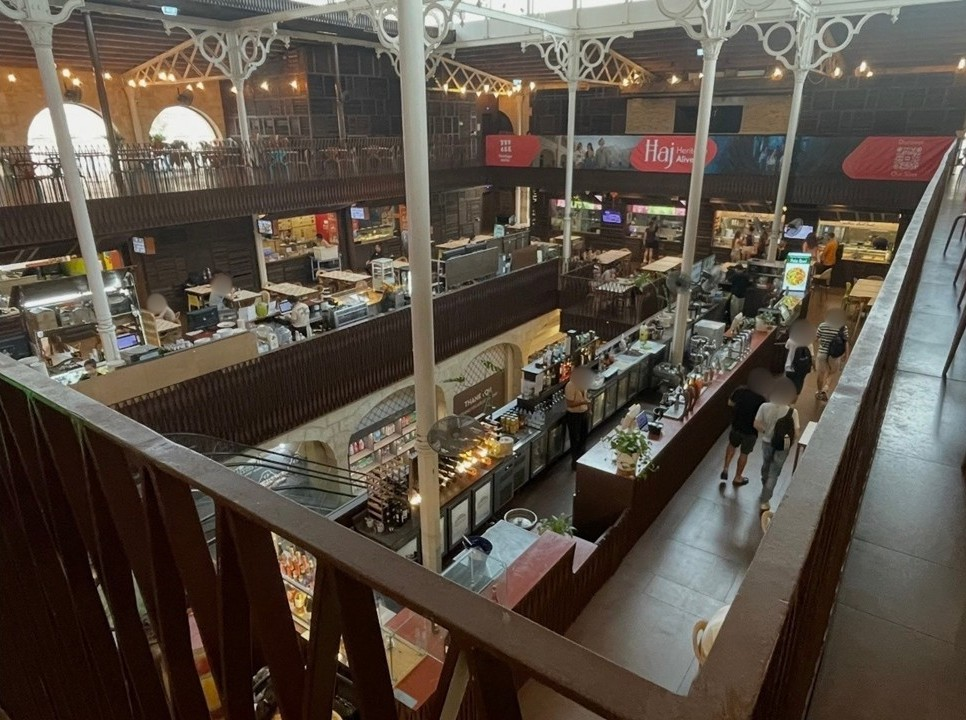
Is‑Suq tal‑Belt is a food market and food court created by renovating a historic building. It’s an easy place to stop by between sightseeing spots and is popular for offering a casual way to experience local food culture.
Inside the building, each floor has a different function:
- B1F: Food market (ingredients, prepared foods, sweets)
- 1F: Food court (stalls offering local dishes and international cuisine)
- 2F: Seating area and restrooms (free to use if you make a purchase)
The first‑floor food court is especially impressive, with a wide variety of dishes—Mediterranean cuisine, pizza, pasta, sweets, and even Asian food. The selection is so diverse that choosing what to eat becomes part of the fun. The lively atmosphere, filled with tourists, left a strong impression.
I only took a quick look around, but the range of ingredients was extensive, making it a great spot to get a glimpse of the local food culture.

Strolling Through Sliema, the Neighboring Town
While Valletta preserves the charm of a historic city, Sliema—located just across the harbor—offers a modern, urban atmosphere. Since the ferry ride takes only about five minutes, it’s an easy place to visit between sightseeing spots.
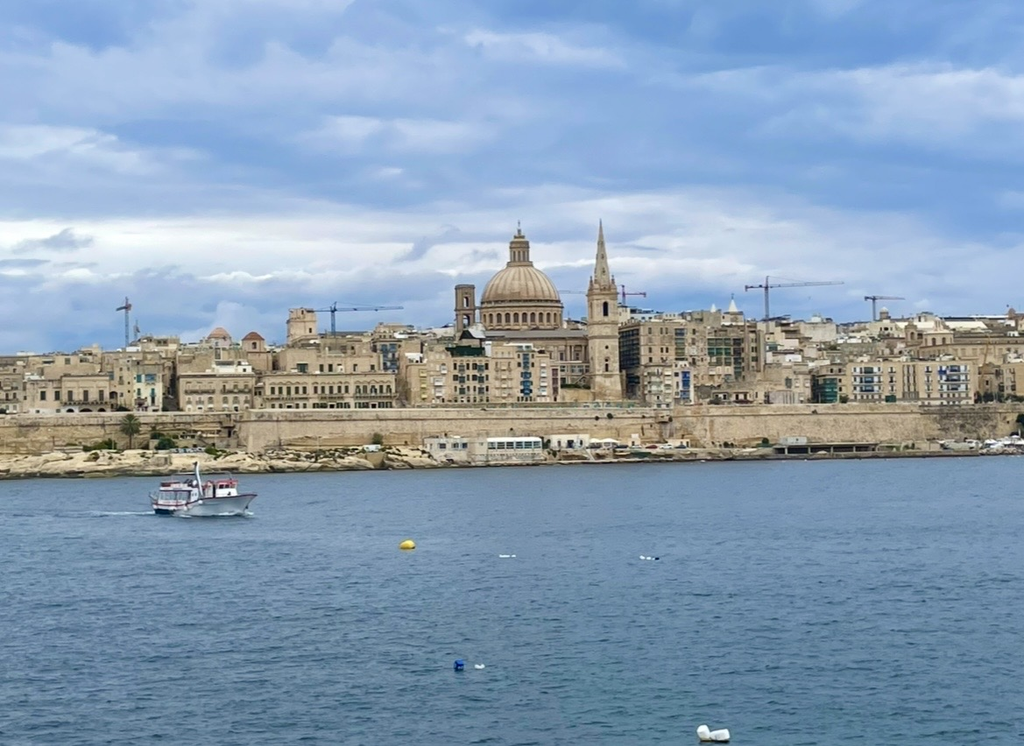
The promenade along the harbor feels open and refreshing, with a pleasant sea breeze that lifts your mood as you walk. The view of Valletta from here is spectacular, and the sight of the historic city across the water makes for incredibly photogenic scenery.
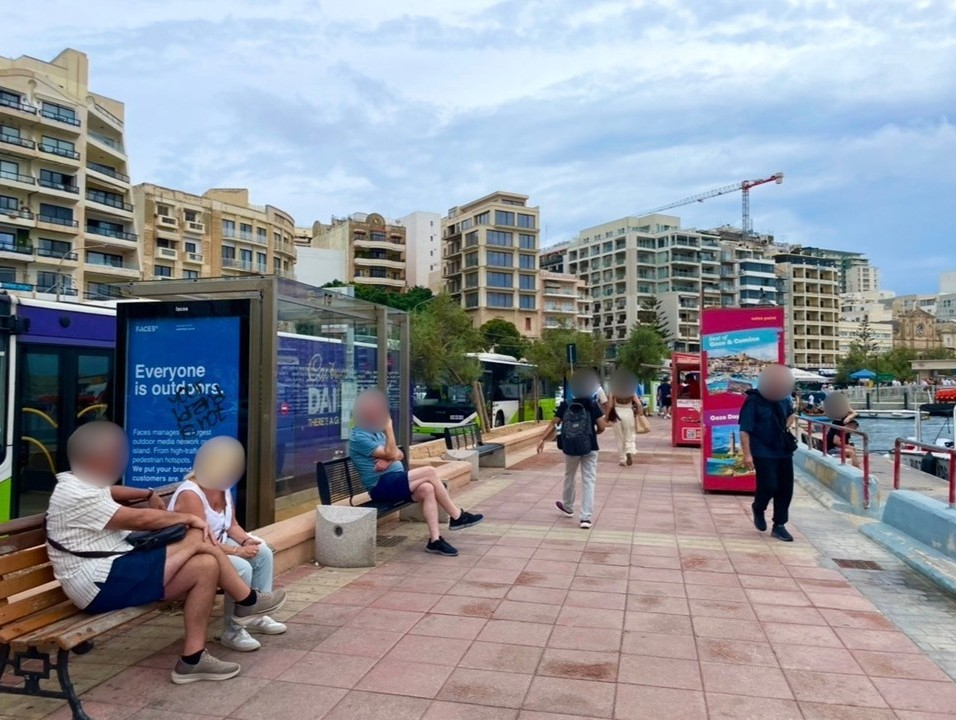
Sliema has plenty of restaurants, making it an excellent area for dining. With options ranging from Mediterranean cuisine to casual cafés, you can enjoy meals in a more modern atmosphere compared to Valletta.
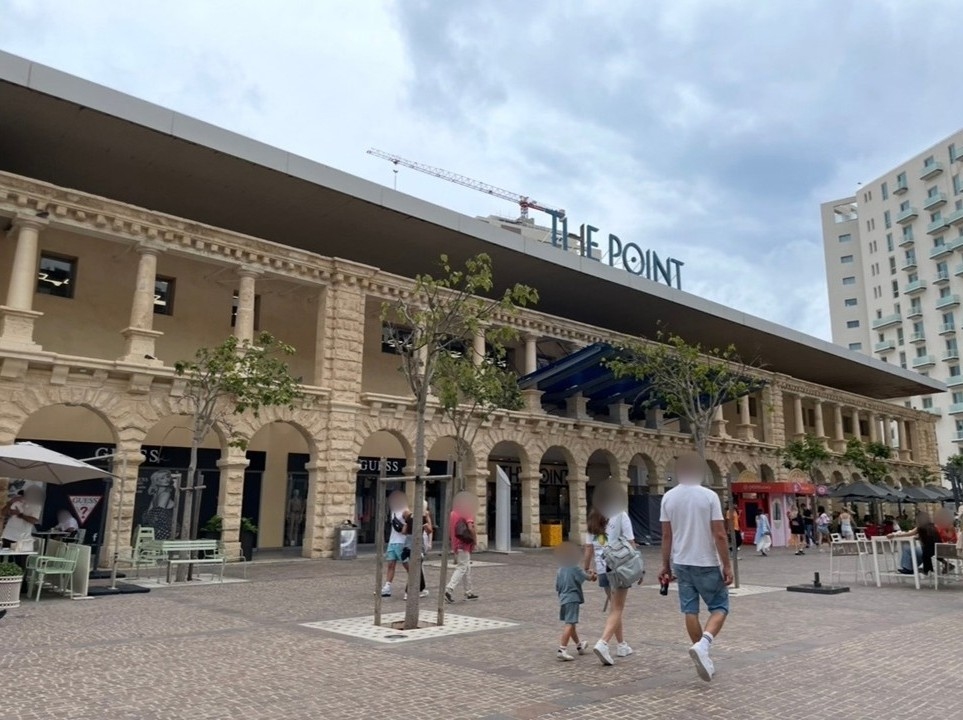
Sliema is also home to THE POINT, a large shopping mall with a sleek, contemporary interior. It features brand stores and lifestyle shops, making it a great place to enjoy some shopping between sightseeing. The mall also has clean restrooms that visitors can use for free, which is a welcome convenience for travelers.

Sliema has a completely different character from the historic city of Valletta, making it a refreshing place to visit even for a short time. With seaside views, urban shopping, and a wide selection of restaurants, you can enjoy a different side of Malta—so if you have extra time, it’s definitely worth stopping by.
Dining on Street Terraces
As you walk through Valletta, you’ll notice street‑terrace restaurants and cafés everywhere—from the main avenues to the back alleys. Tables and chairs set on the stone pavement, with historic buildings as the backdrop, create a quintessentially European dining atmosphere.
I visited several times during my stay, and the staff at every place were friendly and welcoming, making it easy for first‑time travelers to step inside. The outdoor terrace seating feels open and refreshing, letting you enjoy the bright Mediterranean sunlight and breeze while you dine, naturally lifting your spirits.
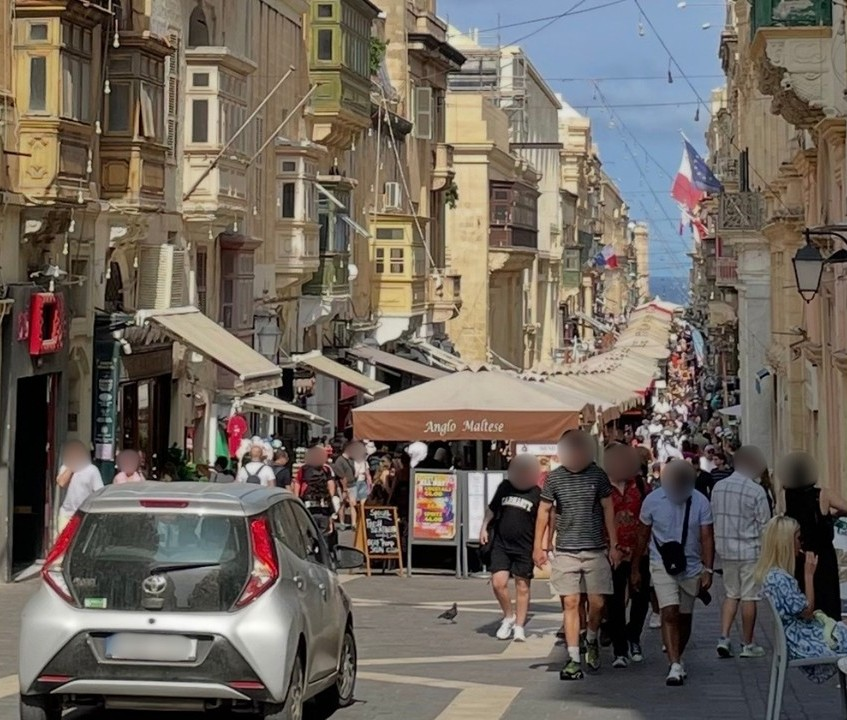
Mediterranean‑style cuisine is common here, with many restaurants offering seafood, pasta, and pizza. Seafood pasta and fresh seafood dishes are especially popular, and they taste even better when enjoyed at a terrace table.
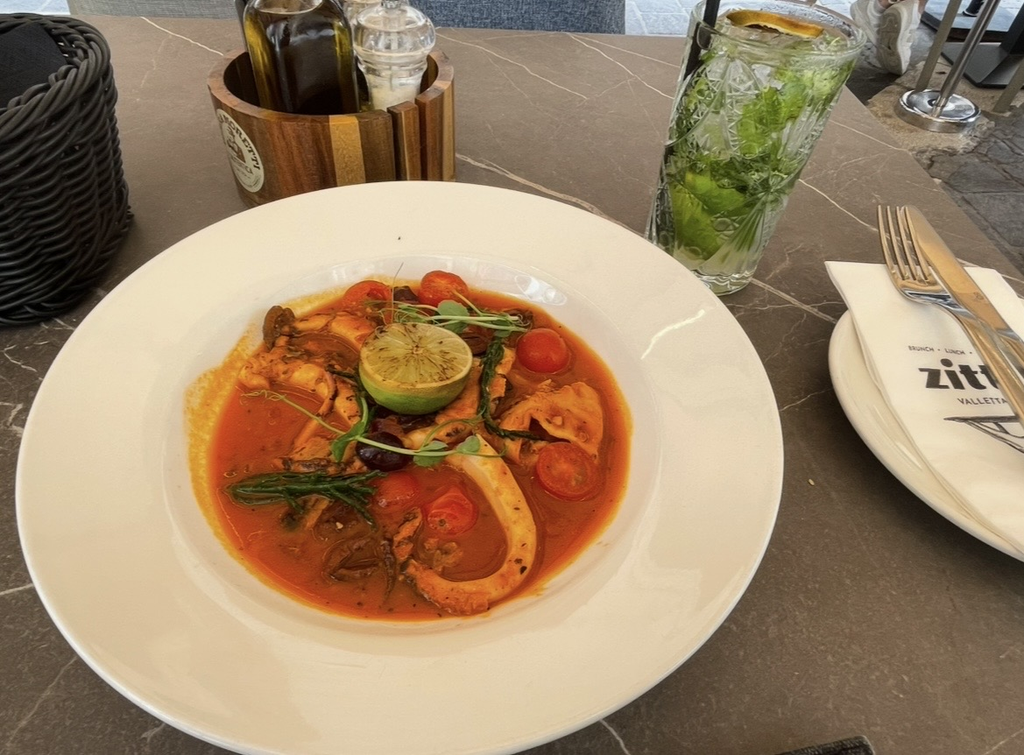
Enjoying a meal while overlooking Valletta’s cityscape and soaking in the atmosphere of this historic town is an experience that will stay with you long after the trip. The terrace seating is easy to use and has a wonderful ambiance, so be sure to give it a try when you visit.
That’s all for what I wanted to introduce in this article. Valletta may be a small Mediterranean city, but it’s packed with history, scenery, food, and charming streets. From the grand buildings built by the Knights, seaside gardens, old‑town alleyways, and ferry trips to neighboring Sliema, the compact city offers a wide variety of experiences.
Beyond visiting sightseeing spots, everyday‑like moments—such as dining on street terraces or exploring local markets—add richness to your trip. No matter where you walk, beautiful scenery unfolds, and simply strolling through the city feels fulfilling. That’s the unique charm of Valletta.
I hope this blog helps you plan your trip. Be sure to visit and feel the Mediterranean breeze and the atmosphere of this historic city with your own steps.