

There are many scenic spots where you can admire Mt. Fuji, but Miho no Matsubara has a beauty unlike any other—pine trees swaying in the sea breeze and the mountain rising quietly beyond the calm shoreline. For centuries, this place has been celebrated as the setting of the Hagoromo Legend, and even today it welcomes visitors with the same gentle, timeless atmosphere.
In this article, I’ll share the highlights of Miho no Matsubara based on my own visit, along with the spots you won’t want to miss. If you’re planning a trip here and want to know what kind of scenery awaits you or how best to spend your time, I hope this guide will be helpful.
Now then, let’s begin a journey woven together by the sea, the pines, and the ever‑changing face of Mt. Fuji.
Overview of Miho no Matsubara
Miho no Matsubara is a beautiful coastal landscape in Shimizu Ward, Shizuoka City, featuring a long stretch of white sandy shoreline and a forest of roughly 30,000 pine trees. With the majestic form of Mt. Fuji rising behind it, this is one of the rare places in Japan where you can enjoy the sea, the pines, and the mountain all in a single view.
This area is part of the UNESCO World Heritage Site “Fujisan: Sacred Place and Source of Artistic Inspiration,” and it has long been known as the setting of the Hagoromo Legend. Its name was already recognized as far back as the Nara period, and the Manyoshu, Japan’s oldest anthology of poetry, includes verses expressing how the scenery of Miho can cleanse the heart.
Miho no Matsubara has also been a popular subject in ukiyo‑e woodblock prints. Renowned artists such as Utagawa Hiroshige and Katsushika Hokusai depicted its scenery in works like Hiroshige’s Thirty-six Views of Mount Fuji: Suruga Miho no Matsubara and Hokusai’s Thirty-six Views of Mount Fuji: Ejiri in Suruga Province. These layers of history and culture have shaped a landscape that continues to captivate visitors to this day.
How Crowded Does Miho no Matsubara Get?
When planning a visit to Miho no Matsubara, the level of crowding is something many travelers wonder about. Here, I’ll share what it was like when I visited during the busy New Year holiday period, which may serve as a helpful reference.
I arrived around 9:00 AM, and there was no traffic on the way, allowing me to reach Miho no Matsubara smoothly. The free parking lot (173 spaces) was about 60–70% full at that time, but finding a parking spot was still easy.
However, when I returned to the parking lot around 11:00 AM after finishing my visit, it was nearly full, and a small line of cars was waiting at the entrance for spaces to open up. Based on this, it’s fair to say that the area tends to get somewhat crowded as the day goes on.
Since Mt. Fuji is especially beautiful in the clear air of early morning, visiting during the morning hours is recommended if you want to enjoy the best views.
Highlights of Miho no Matsubara
From here, I’d like to introduce some of the must‑see spots in Miho no Matsubara. I’ll walk you through them in the same order I visited, so I hope this helps you plan your own trip.
“Path of the Gods”: A Sacred Pine Avenue
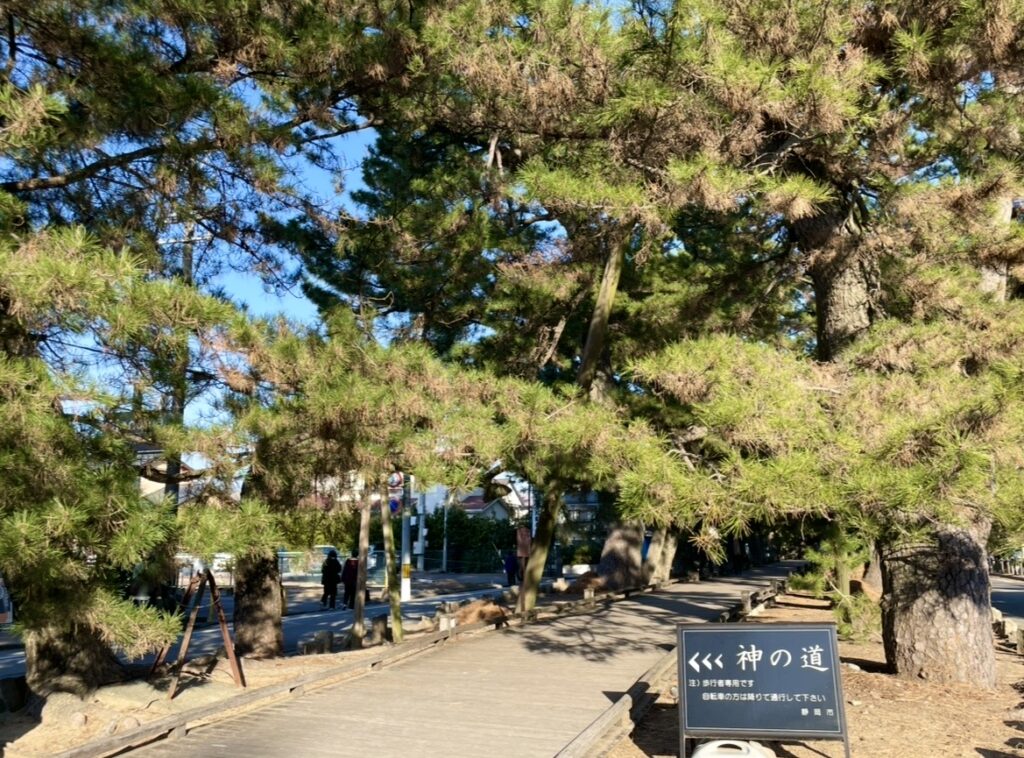
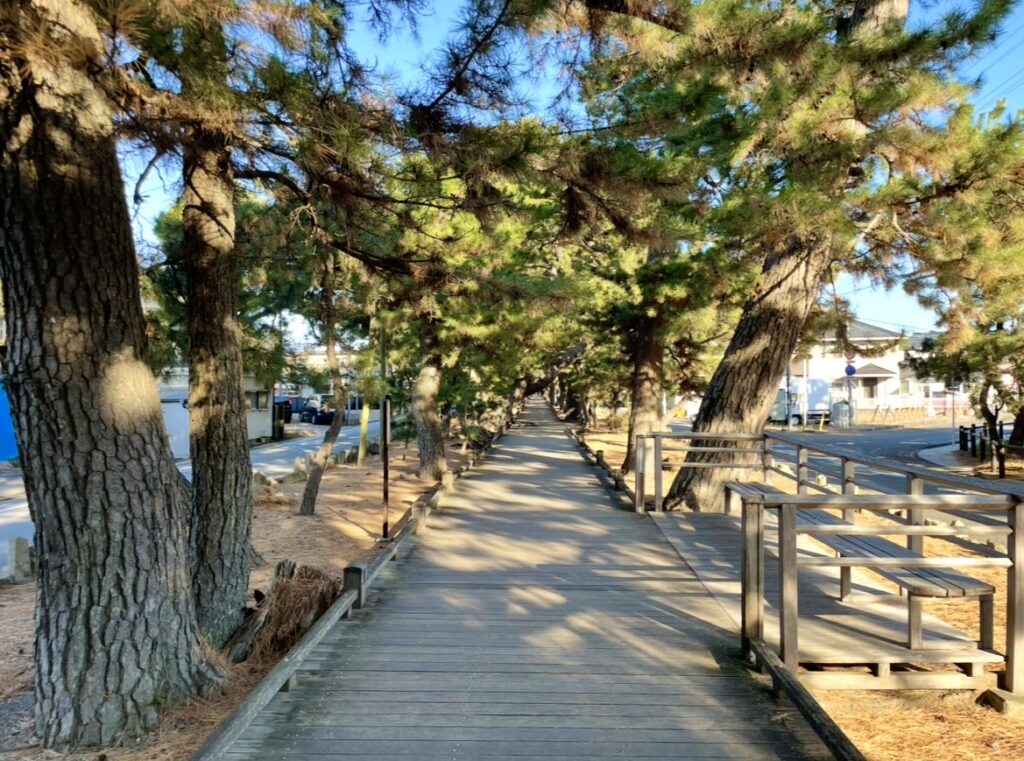
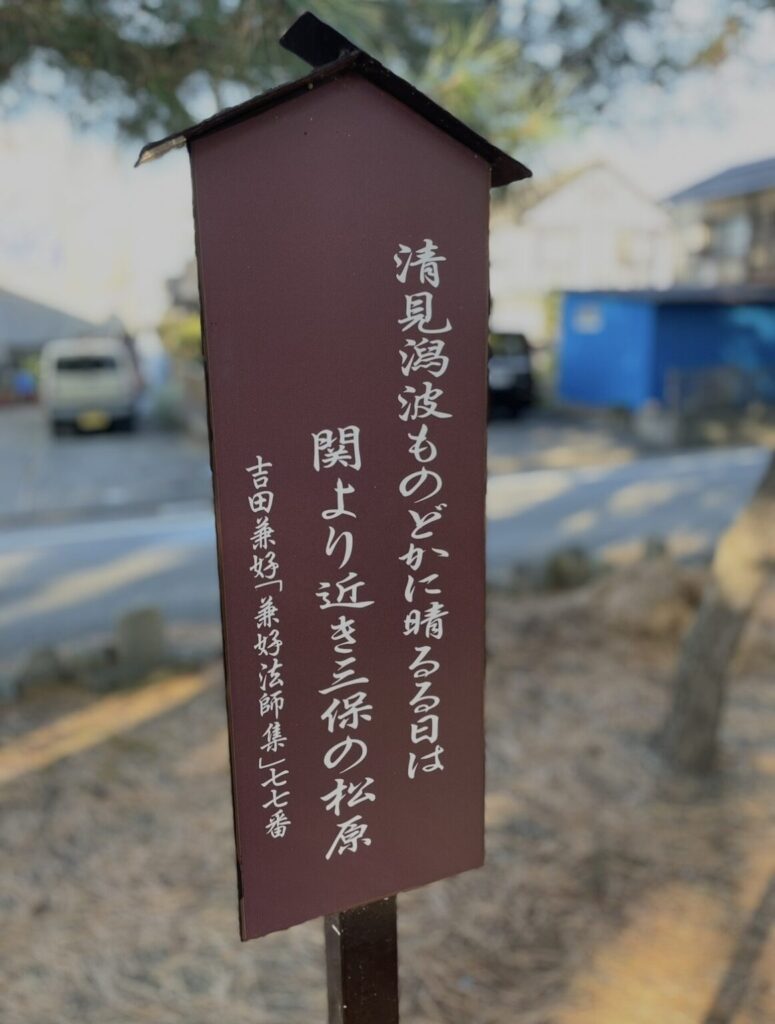
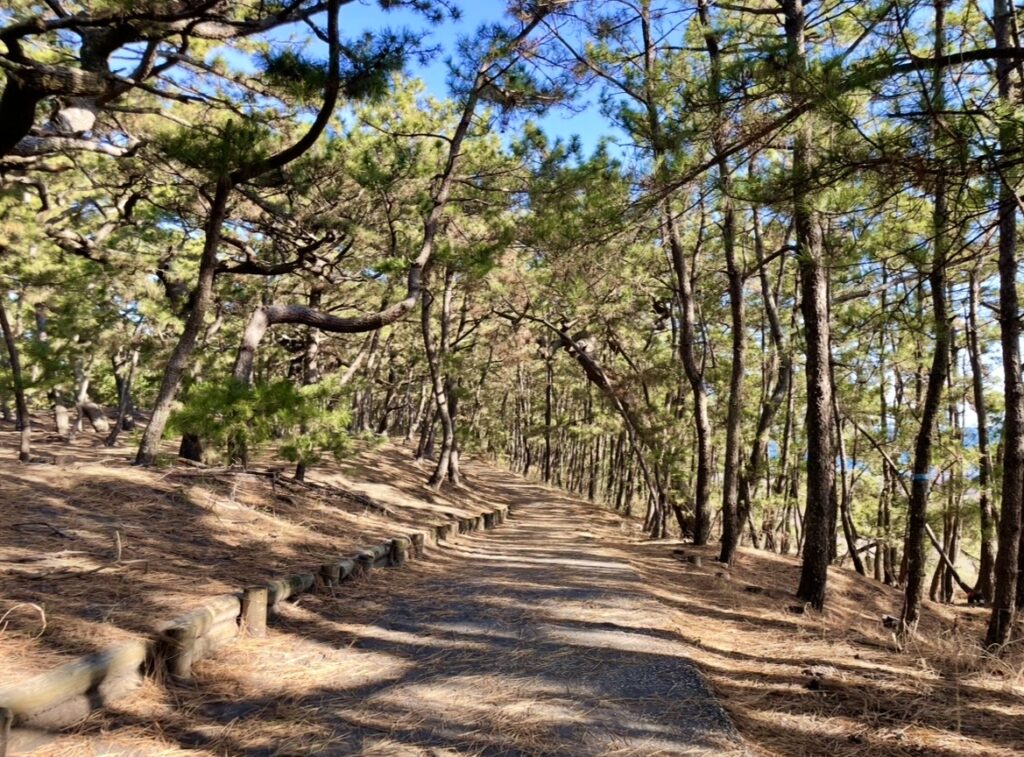
The “Path of the Gods” is a roughly 500‑meter avenue of pine trees leading to Miho Shrine, a place closely connected to the Hagoromo Legend. Starting from the sacred “Hagoromo no Matsu,” where the celestial maiden is said to have descended, this path is believed to be the route the gods once took to reach the shrine. Walking along it, you can feel a sense of purity and a quiet, almost spiritual atmosphere.
Along the way, you’ll find poems and displays related to Miho no Matsubara, allowing you to enjoy the walk while learning about the culture and history that have shaped this area.
At night, the pine avenue is illuminated, revealing a more mystical side that differs from its daytime appearance. Visiting at different times of day lets you experience the many expressions of the Path of the Gods.
Miho Shrine: A Sacred Site Linked to the Hagoromo Legend
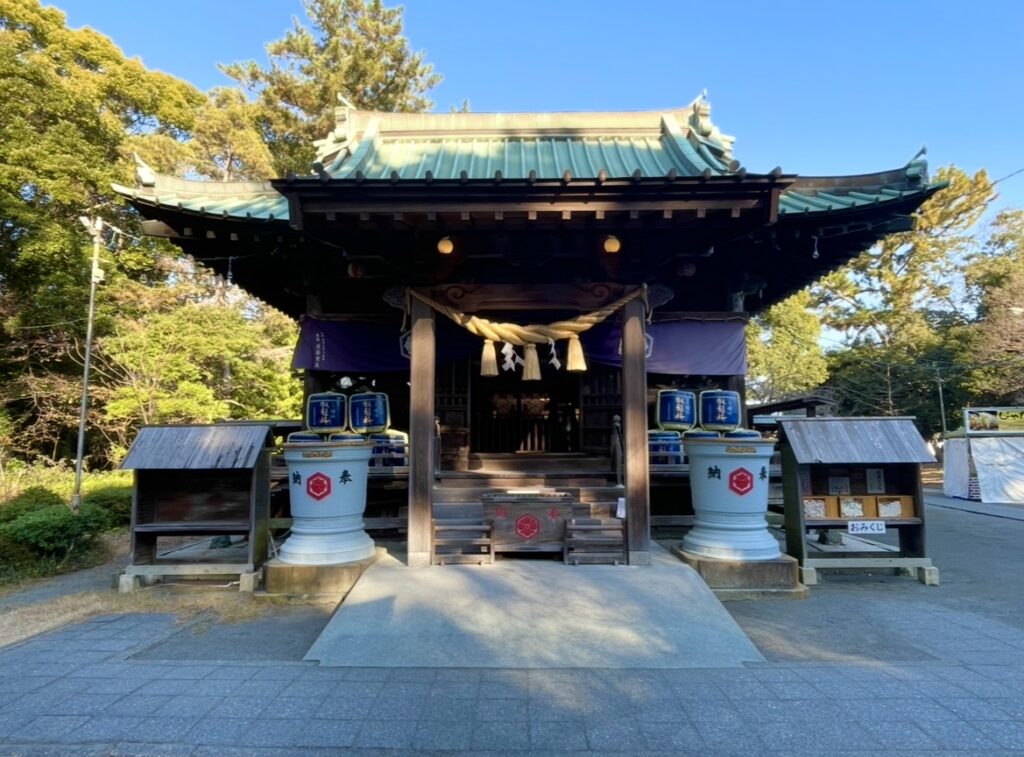
Miho Shrine, also known as Miho Daimyojin, has long been revered as a shrine dedicated to deities of land development and the sea. It is also widely known as the sacred site associated with the Hagoromo Legend, in which a celestial maiden is said to have descended from the heavens.
Although the shrine buildings were destroyed by lightning in 1668, a temporary hall now stands in their place, and the main sanctuary is preserved as a designated tangible cultural property of Shimizu City.
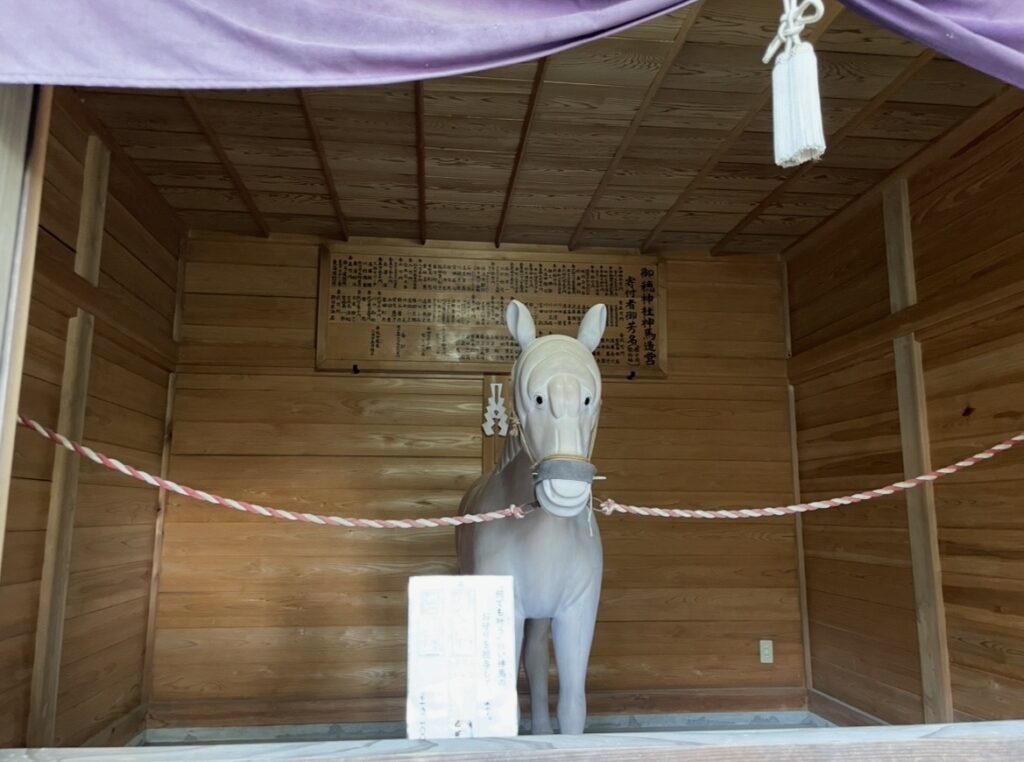
Another well‑known story dates back to the Great Fire of Sunpu in 1773. During the fire, two sacred horses from Shizuoka Sengen Shrine fled to Miho Shrine. One eventually returned, while the other remained here and came to be worshipped as the “Kanae‑uma,” a divine horse believed to grant any wish.
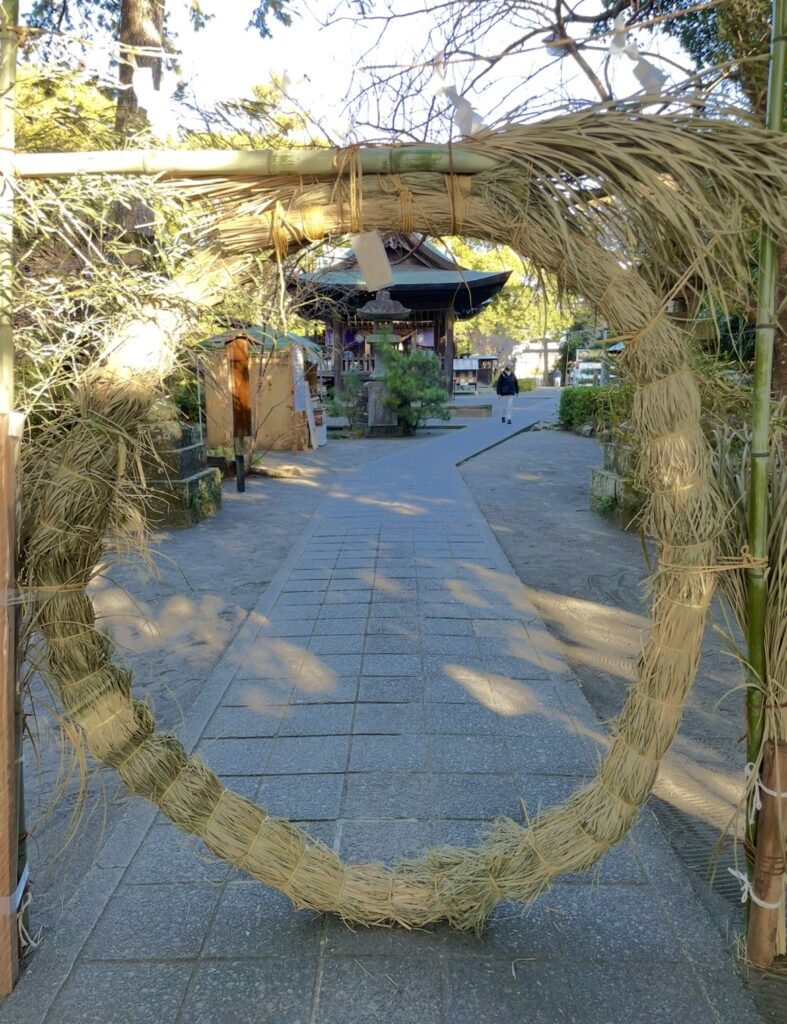
If you visit at the end of the year, you can also take part in the “Chinowa‑kuguri” ritual, said to bring good health and protection from misfortune.
Hagoromo no Matsu: The Sacred Pine Where the Celestial Maiden Descended
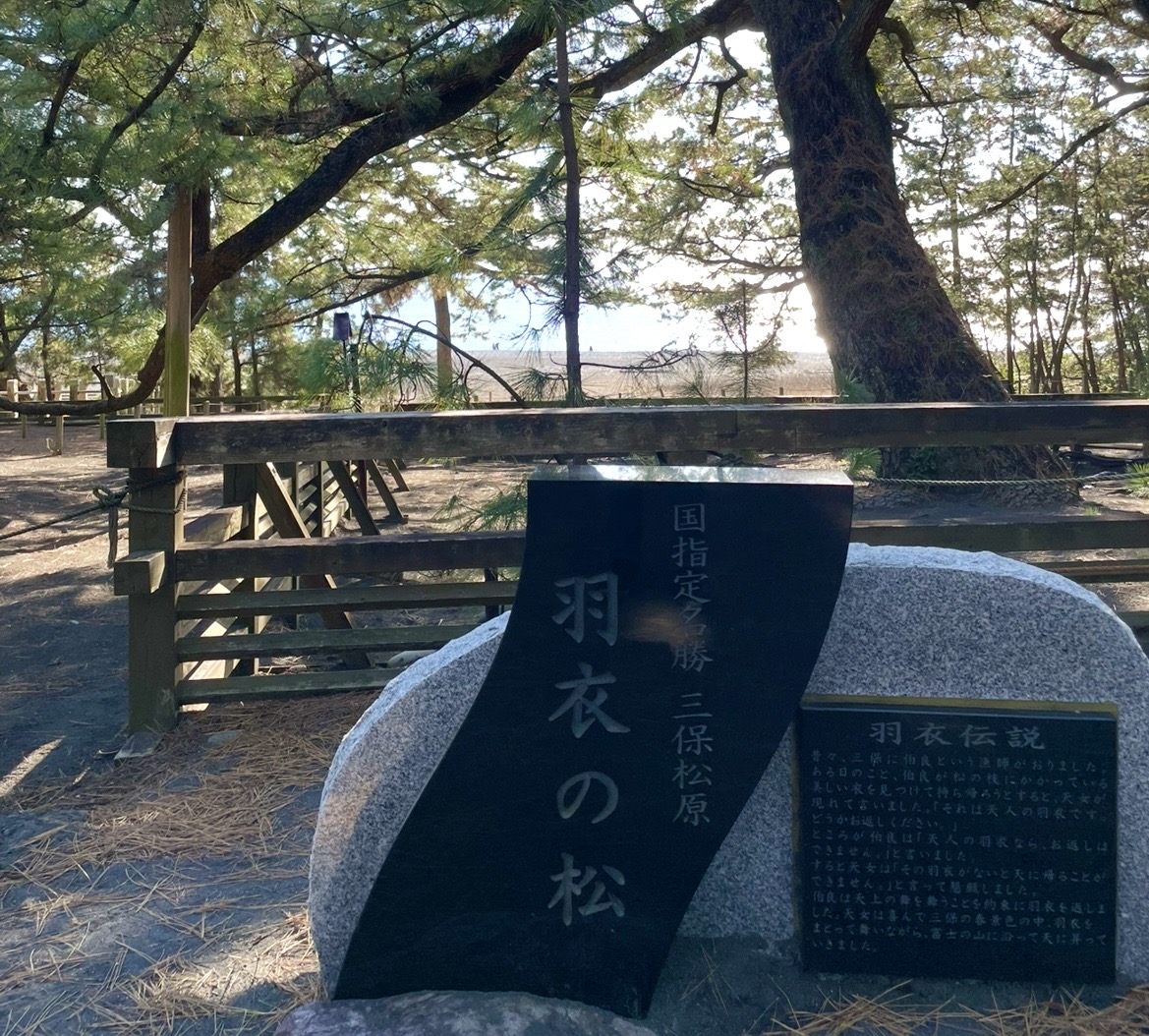
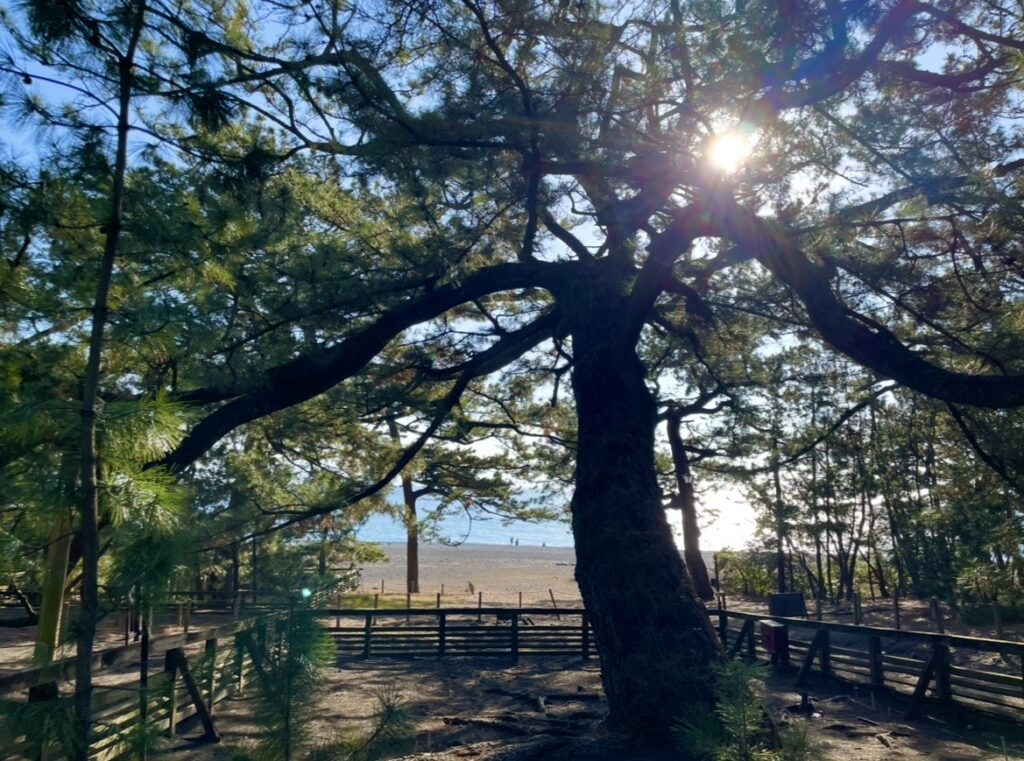
Hagoromo no Matsu stands at the end of the “Path of the Gods,” which stretches south from Miho Shrine. This single pine tree is one of the most iconic symbols of Miho no Matsubara. According to legend, deities descending from beyond the sea used this very tree as their landmark before walking along the Path of the Gods to reach Miho Shrine.
The current Hagoromo no Matsu is the third generation, estimated to be around 300 years old. Its dignified presence—shaped by centuries of wind and weather—naturally draws the eyes of those who visit.
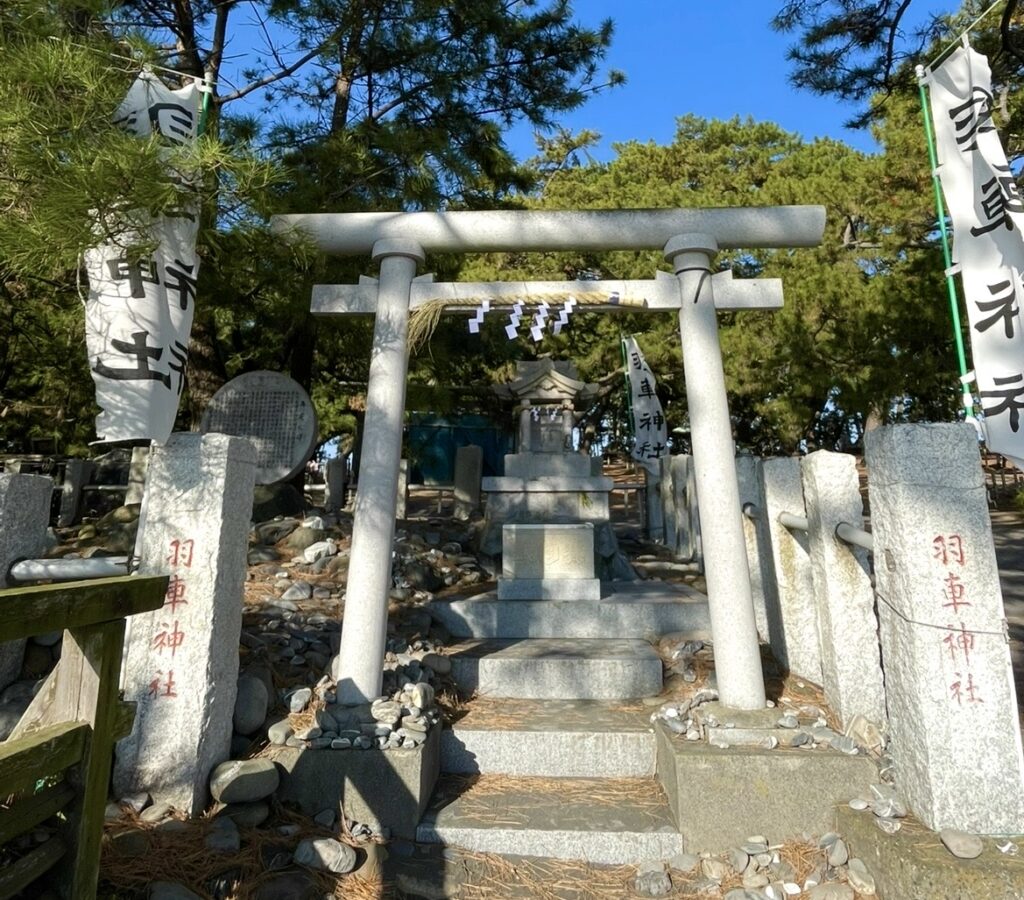
Just beside the pine stands Haguruma Shrine, a detached shrine of Miho Shrine. Visiting both spots together allows you to experience the world of the Hagoromo Legend more deeply.
Kamagasaki: A Scenic Viewpoint Overlooking Mt. Fuji
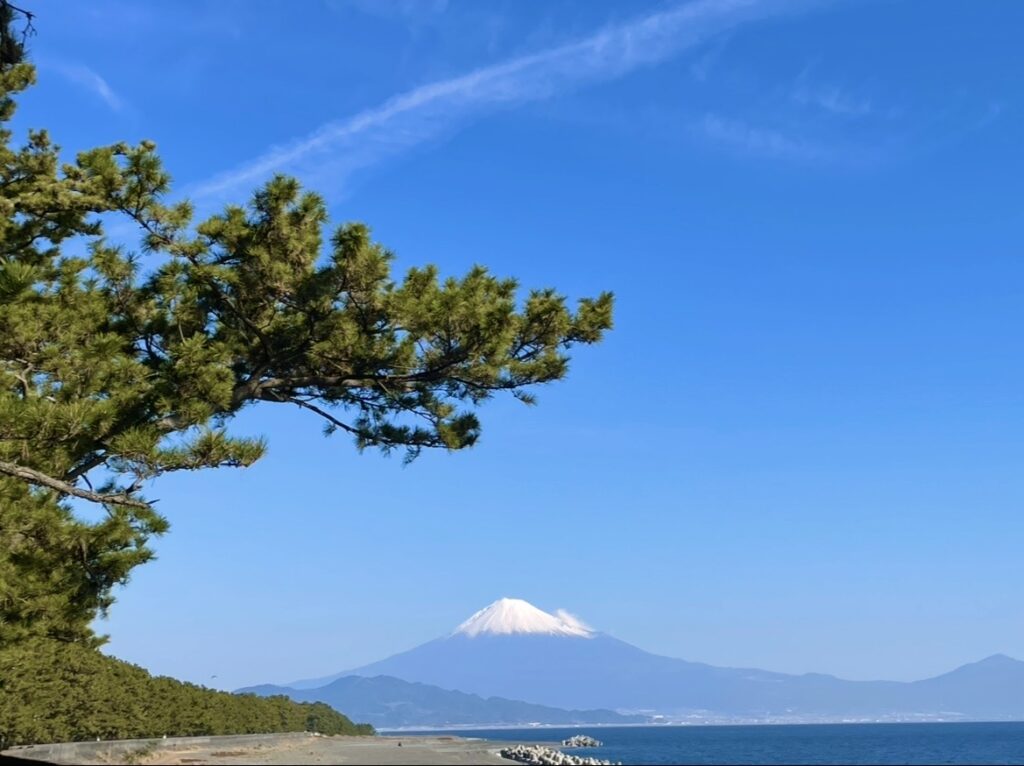
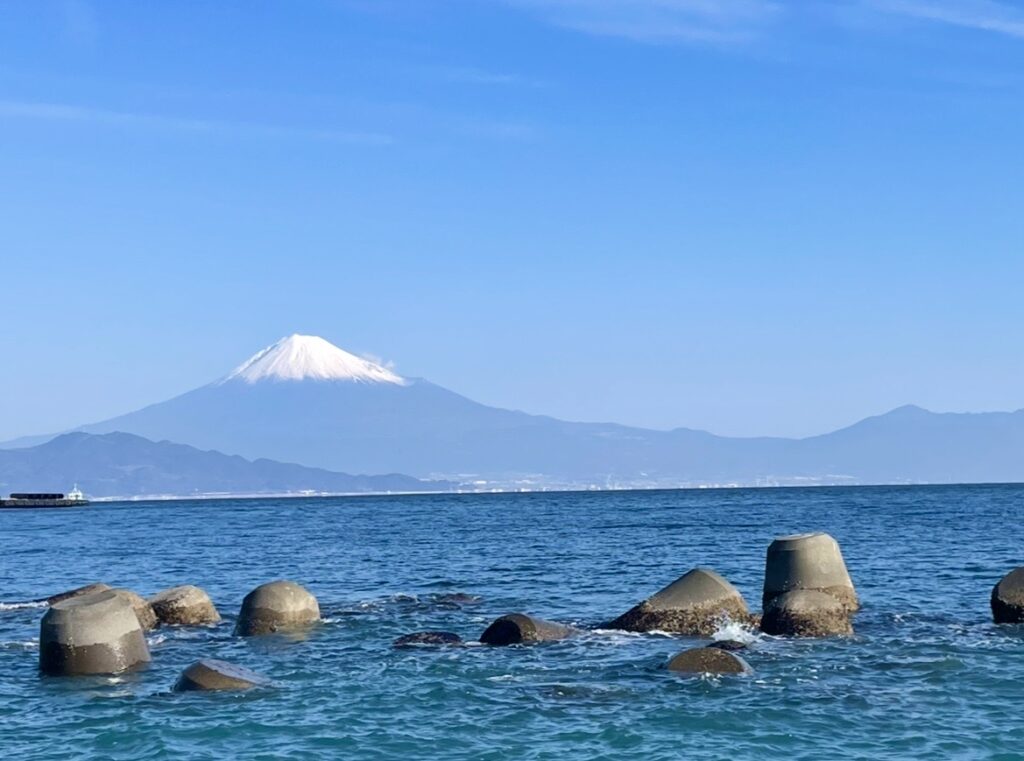
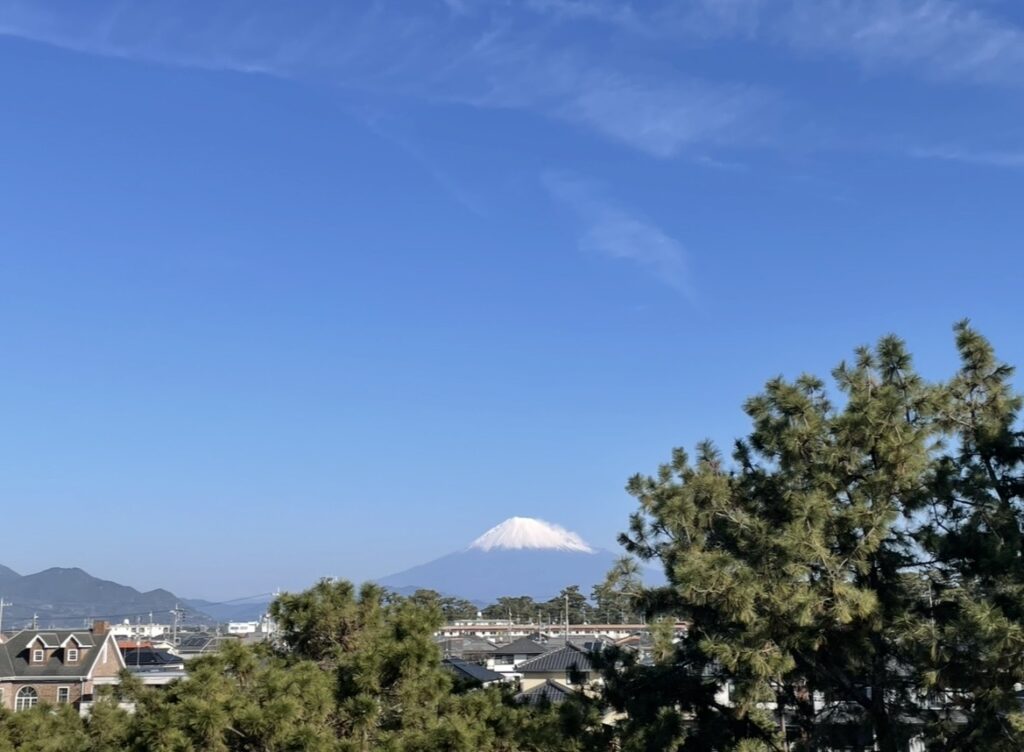
Kamagasaki is one of the best spots in Miho no Matsubara for enjoying a clear, unobstructed view of Mt. Fuji. With the distant peak rising majestically on the horizon, the vivid green of the pine forest and the deep blue of the sea come together to create a breathtaking landscape that invites you to pause and take it all in.
The walk to Kamagasaki along the pine‑lined promenade is part of the experience. The scent of the pines carried by the sea breeze and the gentle sound of the waves make the stroll refreshing and calming, as if the surroundings are quietly restoring your senses.
If you want to enjoy the quintessential scenery of Miho no Matsubara—its sea, pines, and Mt. Fuji all in harmony—Kamagasaki is a spot you won’t want to miss.
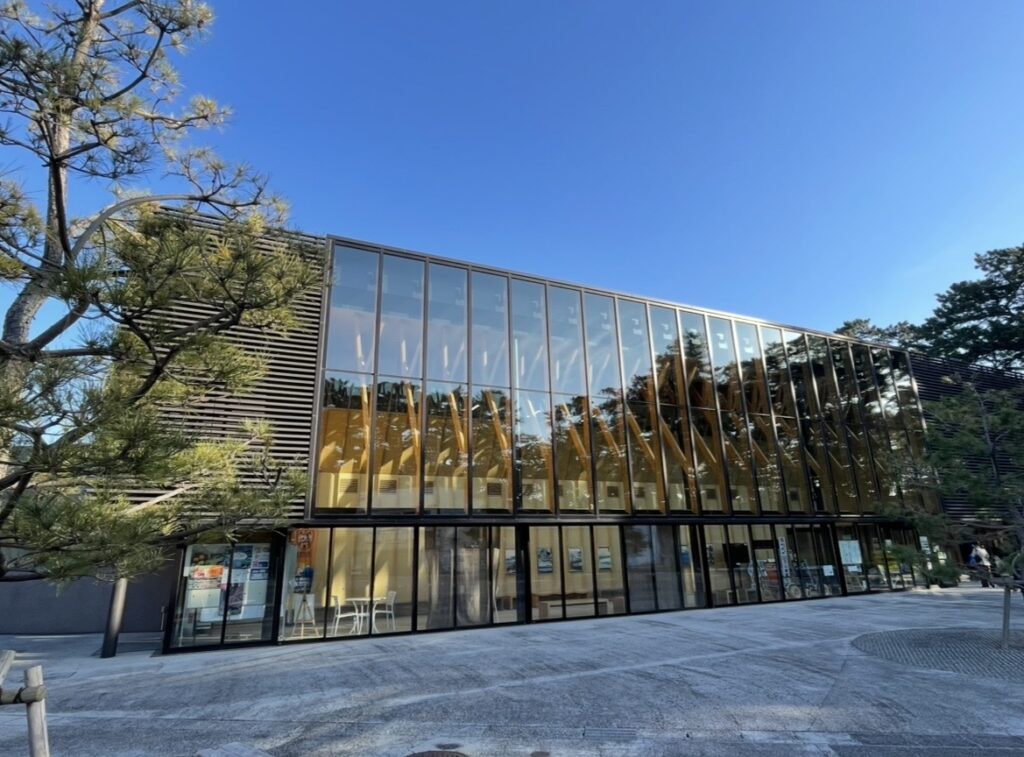
Mihoshirube: Sharing the Value and Beauty of Miho no Matsubara
Mihoshirube is a visitor center where you can learn more deeply about the beauty of Miho no Matsubara and the culture, art, and history behind it. Through its exhibits, you gain a clearer understanding of why this landscape was chosen as a UNESCO World Heritage Site and what makes it so culturally significant.
After exploring the displays, be sure to head up to the rooftop. From there, you can enjoy a direct, panoramic view of Mt. Fuji and take in the iconic scenery that defines Miho no Matsubara. On clear days especially, the contrast of the sea, the pines, and the mountain is truly stunning.
Admission is free, making it an ideal stop during your visit. Whether you drop by before or after your walk through Miho no Matsubara, the experience will enrich the way you see the landscape.

This brings us to the end of the article. I hope it has helped you get a clearer sense of the charm of Miho no Matsubara and inspired your own journey to see Mt. Fuji.
Miho no Matsubara reveals a completely different expression depending on the season and the time of day. Take your time, walk at your own pace, and let the beauty and tranquility of the landscape sink in.
Wishing you a wonderful trip—one that stays with you long after you return home.