

Sado Island sits just a short ferry ride from Niigata, yet the moment you step onto the island, the atmosphere shifts—quieter, slower, and deeply connected to nature. With mountains and coastline standing side by side and traces of history scattered across the landscape, every step reveals more of what makes Sado so distinctive.
Despite its peaceful feel, Sado Island is far larger than most visitors expect, with attractions spread across the entire island. Many travelers assume that exploring Sado in a single day is difficult. But after experiencing it myself, I realized that with a well‑selected route and a rental car, you can enjoy the island’s essential highlights comfortably within one day. Frequent ferry services and smooth island roads make self‑driving especially convenient.
This guide introduces a day‑trip model course based on my own experience—packed with Sado’s signature sights. The itinerary includes the UNESCO‑listed Sado Gold Mine, the dramatic cliffs of Senkaku Bay, the iconic Oonogame and Futatsugame formations, and Toki Forest Park, where you can encounter the crested ibis, a symbol of Niigata. Each stop is chosen to help first‑time visitors enjoy Sado without confusion, with clear explanations of travel flow and the unique features of each location.
Whether you’re planning a quick getaway or looking to maximize your time on the island, this route offers a balanced mix of nature, history, and unforgettable scenery.
Overview of Sado Island (Basic Information)
Sado Island is the largest remote island in Japan, located just off the coast of Niigata Prefecture. It is a destination where rich natural landscapes and deep cultural history coexist, offering completely different impressions depending on the season and the area you explore.
Shaped like a gourd with a narrow center, the island features two distinct coastlines—Sotokaifu and Uchikaifu. Each region presents dramatically different scenery, allowing visitors to experience the feeling of traveling through entirely different worlds within a single island.
Sado Island covers an area of approximately 855 km²—about one and a half times the size of Tokyo’s 23 wards. First‑time visitors are often surprised by how large the island feels, despite it being “just an island.” Major attractions are scattered across the island, including the historic Sado Gold Mine, nature conservation areas where the crested ibis lives, and dramatic coastal cliffs that stretch for kilometers.
The climate is relatively mild throughout the year. In summer, the sea breeze feels refreshing, while winter brings the powerful, rugged scenery typical of the Sea of Japan. Each season offers a completely different charm, allowing visitors to experience the unique character of Sado no matter when they visit.
The day‑trip model course introduced here is designed to help you explore Sado Island’s history, nature, and scenic landscapes in a well‑balanced way. Even if it’s your first time on the island, this route allows you to experience Sado’s essential highlights in a single, condensed and fulfilling day.
Day Trip Model Course Itinerary for Sado Island
If you plan to explore Sado Island in a single day, the key is how efficiently—and how comfortably—you can enjoy the island within limited time. The model course introduced here is designed so that even first‑time visitors can experience Sado’s essential highlights without rushing, following a route that covers major spots smoothly.
Your journey begins by taking a ferry from Niigata Port and renting a car upon arrival at Ryōtsu Port. At Toki Forest Park, you can learn about Sado’s nature and ecosystem; at the Sado Gold Mine, you can feel the weight of its long history; and at Senkaku Bay, Oonogame, and Futatsugame, you can enjoy the dynamic coastal scenery that defines Sado Island. Altogether, it creates a “one‑day experience packed with Sado’s charm.”
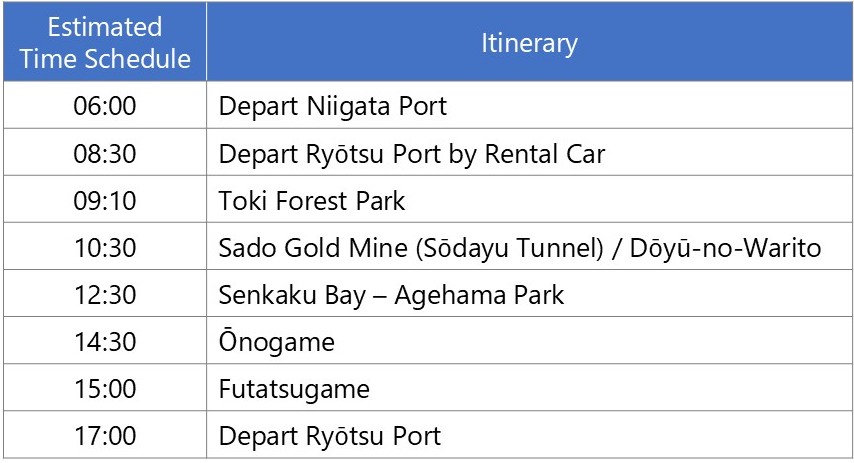
Below is an approximate time schedule based on my actual travel experience. Depending on traffic conditions and how long you stay at each spot, the timing may shift, but it should serve as a helpful reference when planning your trip.
From Niigata Port to Sado Island
Your journey to Sado Island begins with a Sado Kisen ferry departing from Niigata Port. The crossing takes about two hours and thirty minutes. Even the quiet moments spent waiting to board in the early morning port can heighten your anticipation for the island adventure ahead.
Once on the ferry, you can enjoy the voyage itself—watching the sea from the deck or stretching out and relaxing indoors. As the island draws closer, the silhouette of Sado’s mountain range gradually comes into view, a scene that stirs a sense of travel romance even for first‑time visitors.
In addition to the standard ferry, a high‑speed jetfoil also operates between Niigata Port and Sado Island. If you’re wondering which option to choose or how they differ in terms of time and comfort, you can find a detailed comparison in the article linked here.

Renting a Car at Ryōtsu Port
After arriving at Ryōtsu Port, you’ll pick up a rental car to begin exploring Sado Island. Several rental agencies are clustered around the port, making it easy for first‑time visitors to find a car without any confusion. It’s a convenient area that lets you transition smoothly from the ferry to your island adventure.
For this trip, we used Nippon Rent‑A‑Car. The office is close enough to reach on foot from the ferry terminal, but they also offer a convenient shuttle service timed to match arrival schedules. The official Nippon Rent‑A‑Car website lists the shuttle pickup point, and it’s easy to find—just walk straight out from the terminal and you’ll see the designated area. A clearly marked Nippon Rent‑A‑Car sign stands at the pickup spot, so even first‑time visitors can locate it without any trouble.
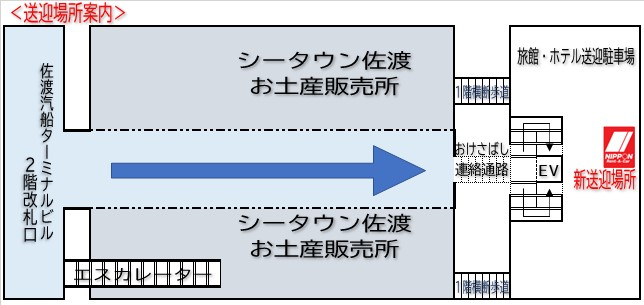
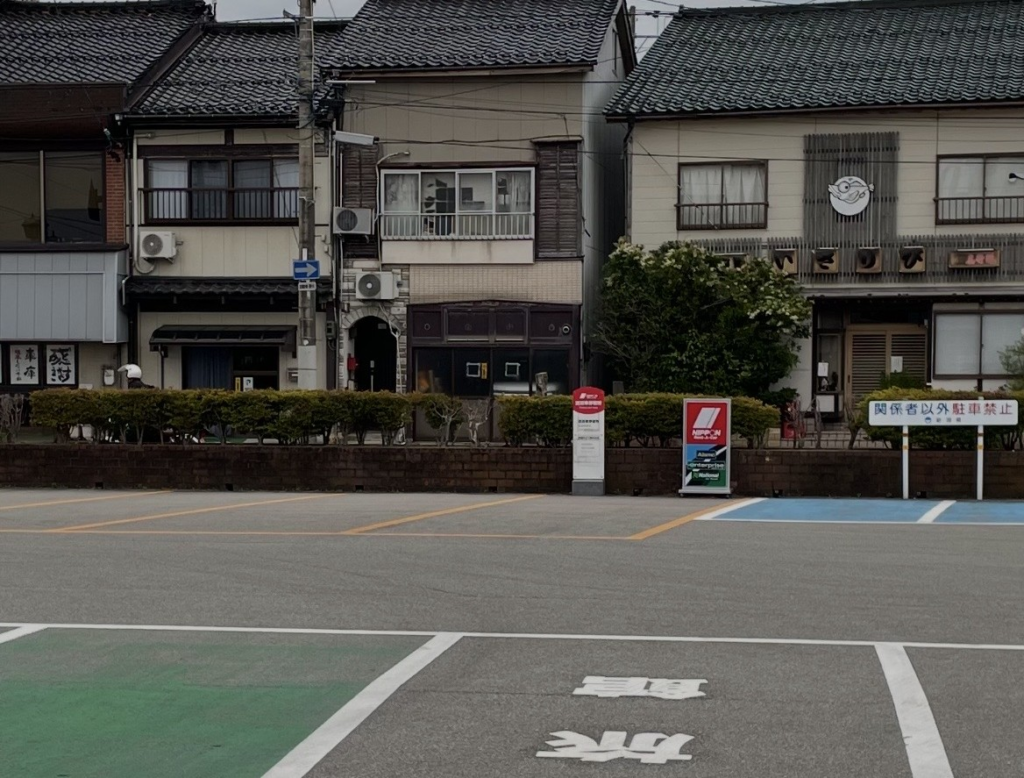
During peak arrival times, the shuttle can get busy, and the check‑in counter may become crowded with travelers picking up their cars. When I visited, I chose to walk to the office instead, which allowed me to skip the wait and receive my car right away. The distance is short, so if you’re traveling light or eager to start exploring, walking to the rental office is a convenient and stress‑free option.
Tokinomori Park
The first destination on the trip is Tokinomori Park. Driving from Ryōtsu Port takes you to a quiet, forest‑surrounded area where you can immediately feel the island’s natural atmosphere. Wrapped in greenery, the park offers a peaceful setting that makes your visit feel like a gentle introduction to Sado’s rich environment.
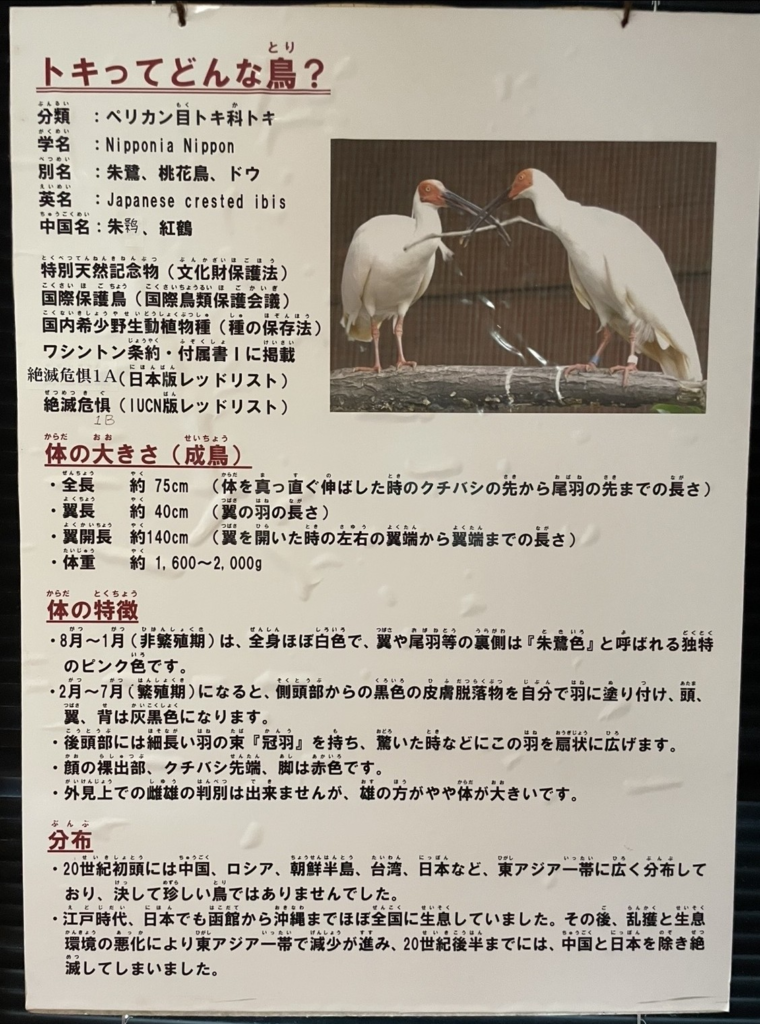
The toki is a beautiful bird with white feathers tinted by a soft, rosy hue. Once found throughout Japan, it is designated as a Special Natural Monument. Although the species was driven to the brink of extinction due to overhunting and environmental changes, conservation and breeding efforts centered on Sado Island have helped the toki recover, allowing it to return to life in the wild.
For many years, Sado has been at the heart of Japan’s toki conservation work. The island became the place where the hope of “seeing wild toki fly again in Japan” finally came true. Because Sado’s natural environment is well suited to the bird’s habitat, the toki has become a beloved symbol of the island’s rich and resilient ecosystem.
For these reasons, the toki is now considered an iconic presence of Niigata Prefecture—especially Sado Island.
Next, it’s time to enter the park.
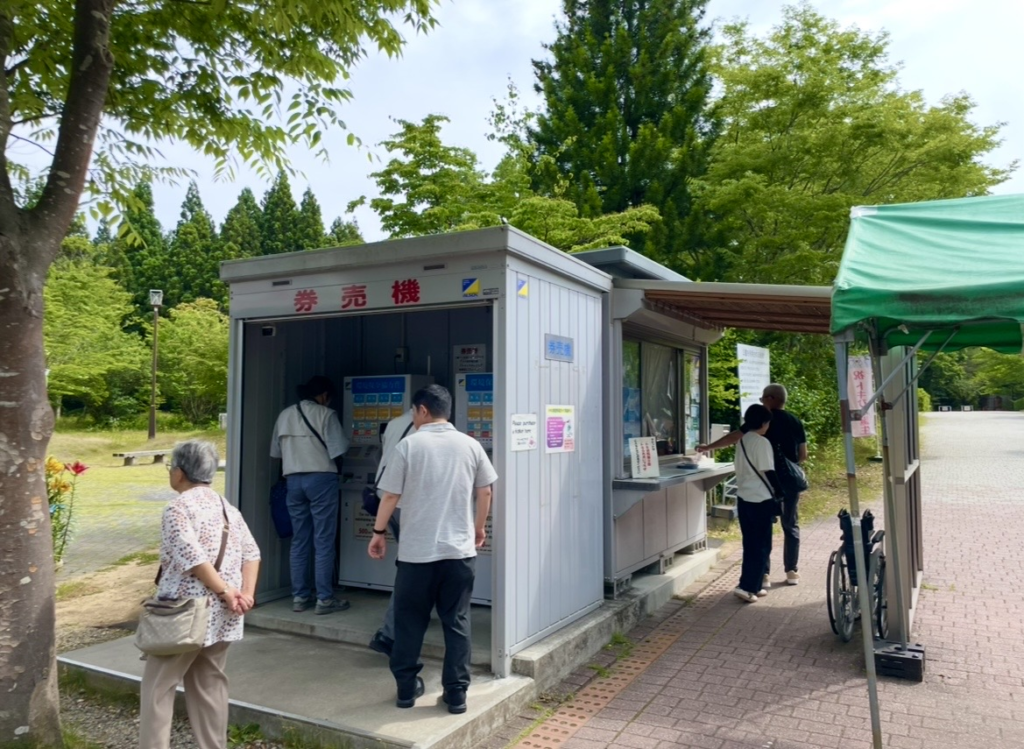
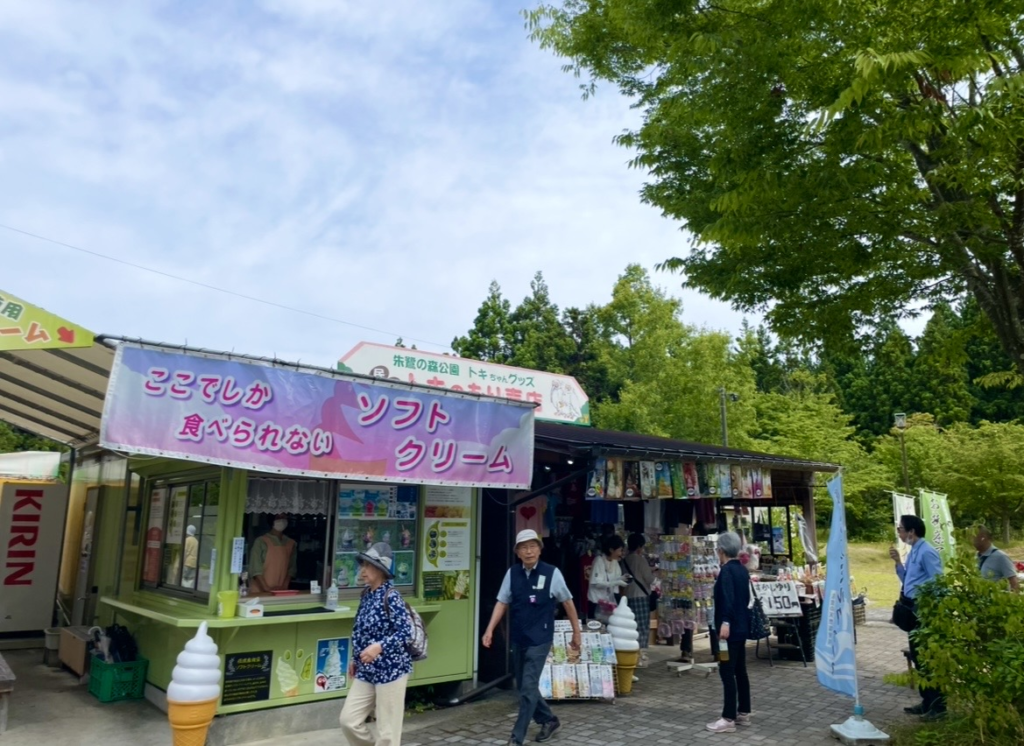
To get in, you’ll need to purchase an admission ticket from the vending machine at the entrance. Payment is cash only, so travelers who usually rely on cashless options may want to prepare beforehand. Near the entrance, you’ll also find a small shop selling soft‑serve ice cream and light snacks—perfect for taking a short break before or after exploring the park.
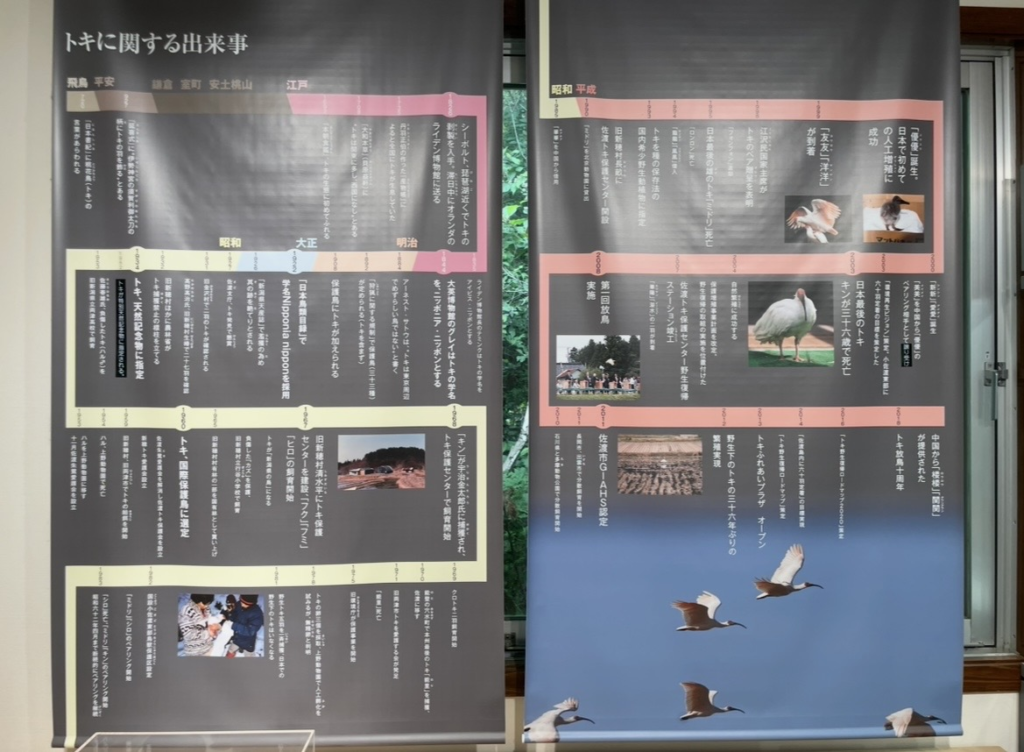
Inside the park’s information center, you can learn about the toki through various exhibits that explain its history and the long journey of conservation efforts. Understanding how the species moved from the brink of extinction to active protection gives you a deeper sense of how closely Sado Island is connected to the toki. The displays highlight the island’s decades‑long commitment to saving the bird, making it clear why Sado is considered the heart of toki conservation in Japan.
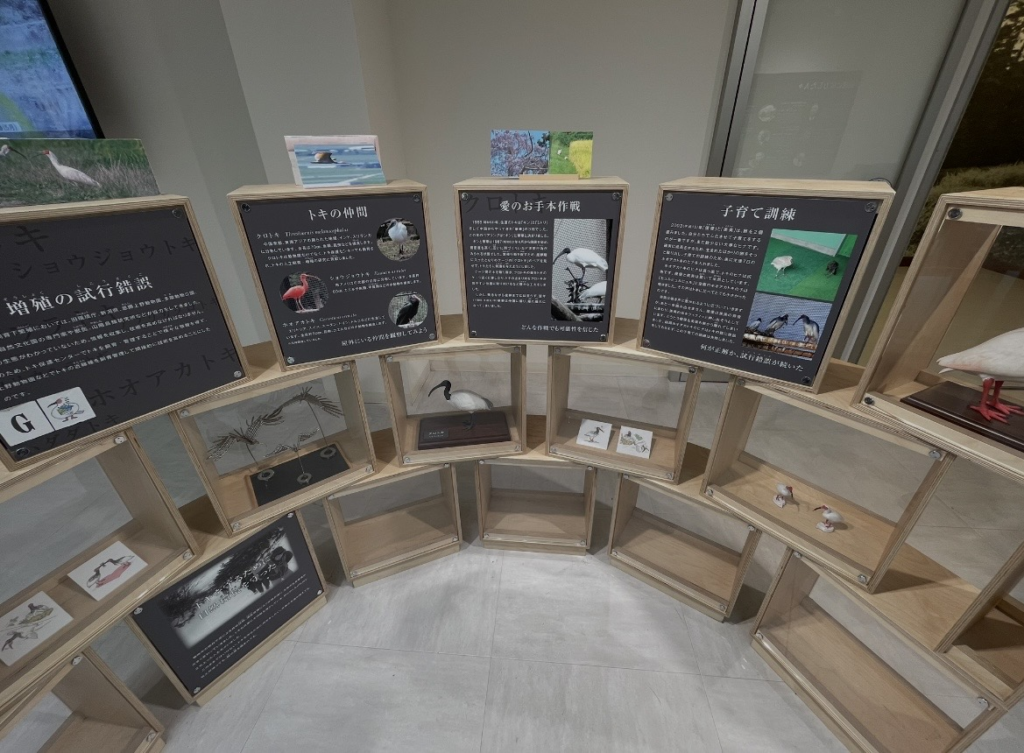
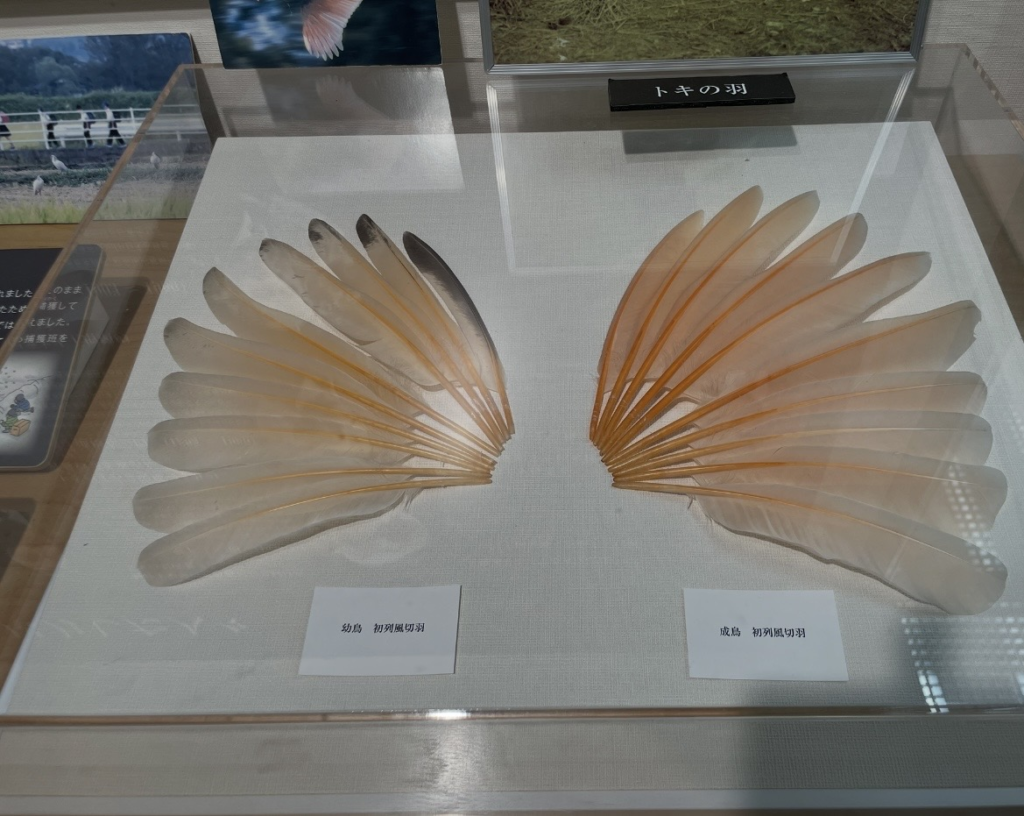
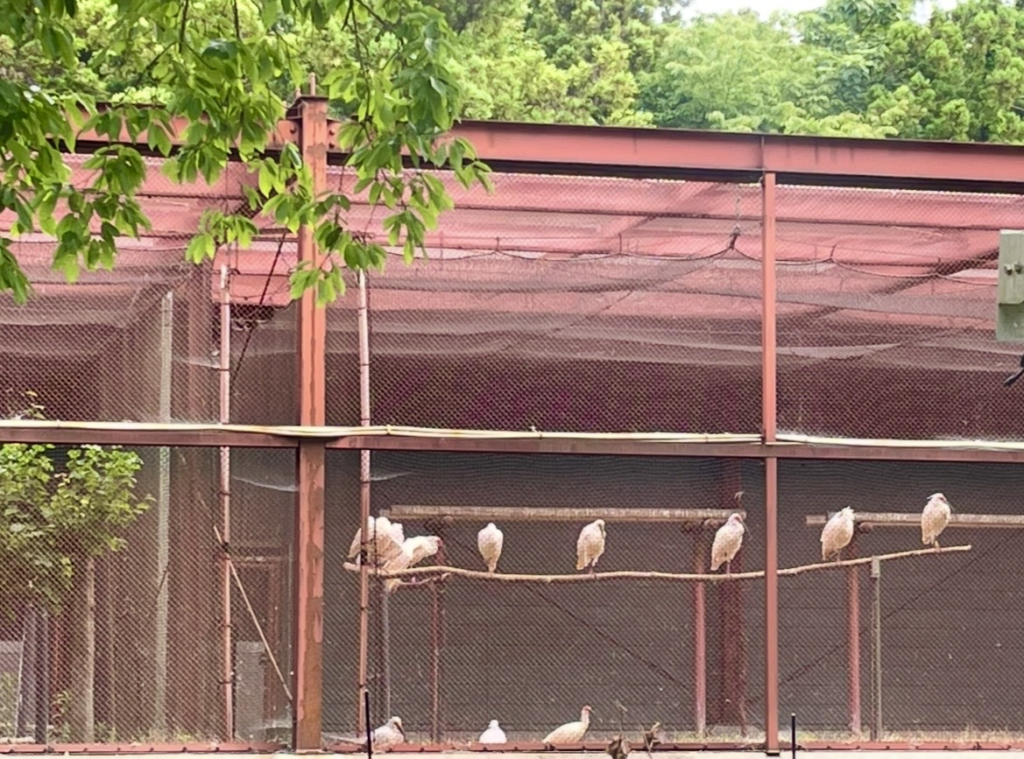
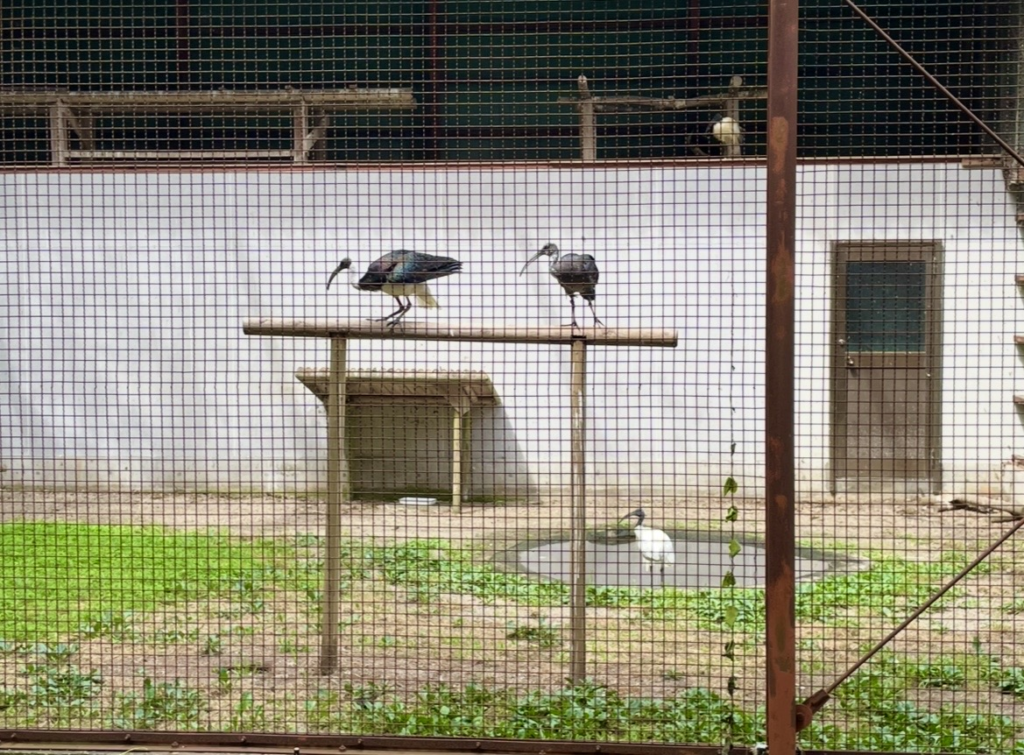
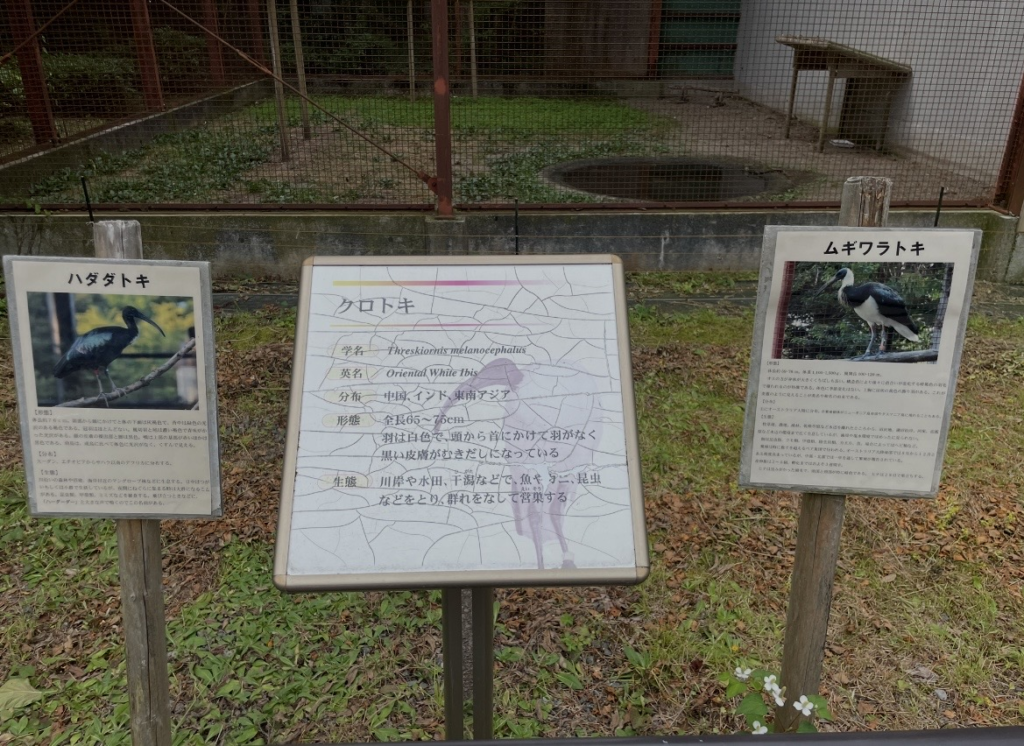
Inside the park, you can also see live toki up close. Watching them relax in the spacious aviary is a memorable experience—their white feathers blended with a soft rosy hue look striking when viewed at close range. In addition to the toki, the park features several related species such as the black‑faced ibis, hadada ibis, and straw‑necked ibis, allowing you to compare their differences and enjoy observing each bird’s unique characteristics.
Sado Gold Mine (Sōdayu Tunnel) and Dōyū-no-Warito
Next on the journey is one of the highlights of sightseeing on Sado—the Sado Gold Mine. From the Edo period through modern times, this mine developed into one of Japan’s largest gold and silver production sites. Its advanced mining technology and significant industrial heritage led to its inscription as a UNESCO World Cultural Heritage site in 2024.
Among its many attractions, the Sōdayu Tunnel is especially worth visiting. Here, you can experience a realistic recreation of mining work during the Edo period, making it one of the most immersive and memorable spots within the historic complex.
Once you step inside the tunnel, you’re surrounded by cool, crisp air. It can feel quite chilly, so if you’re sensitive to cold, bringing an extra layer will make the visit more comfortable. Many areas of the ground are damp as well, so it’s best to avoid shoes that absorb water easily.
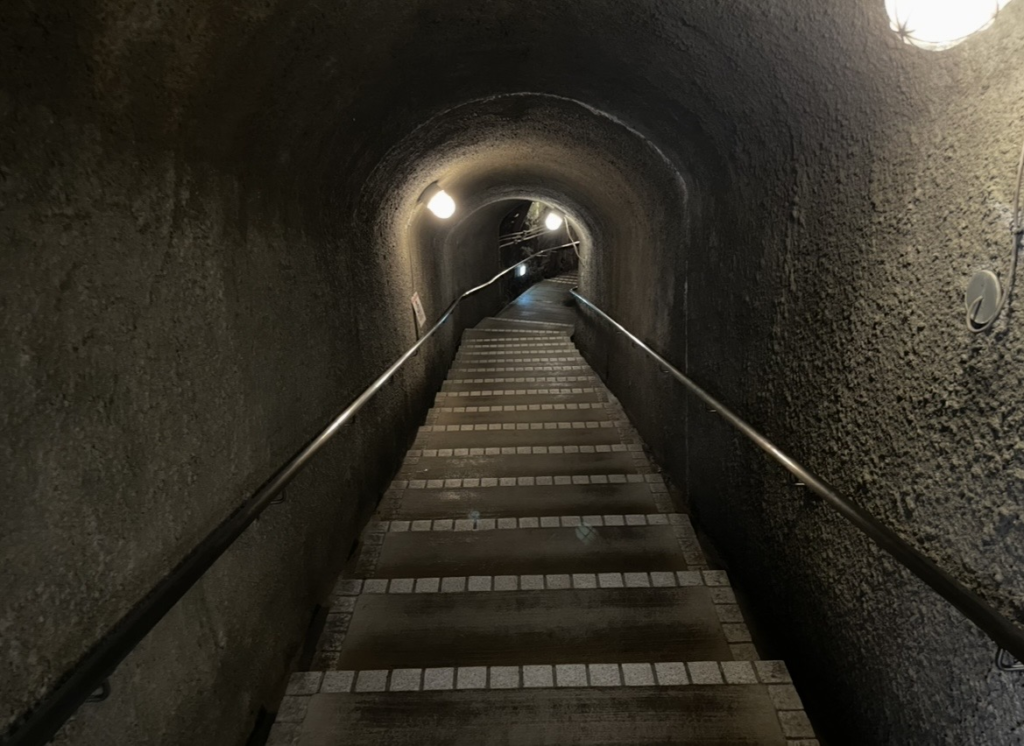
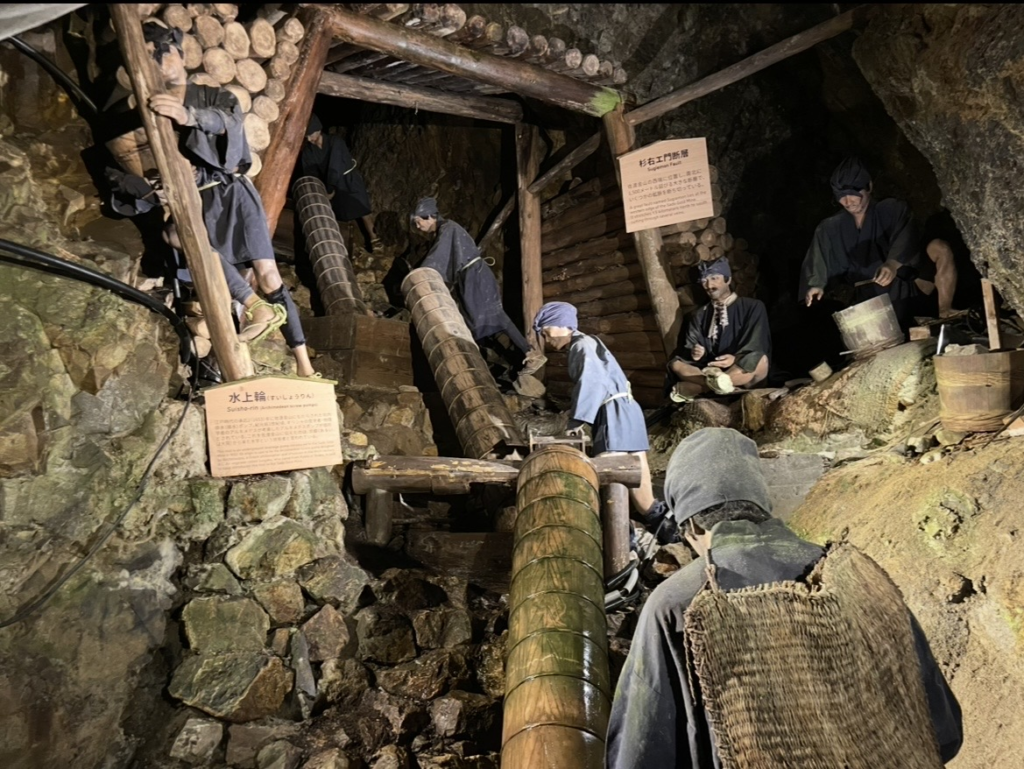
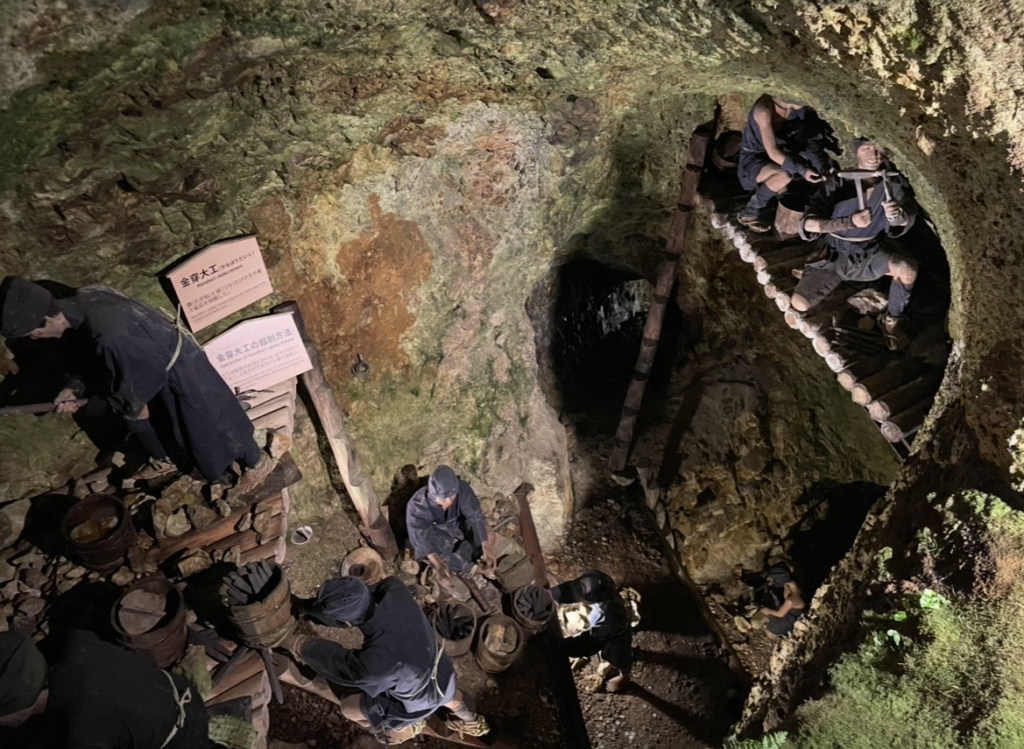
Inside the tunnel, numerous life‑sized figures recreate the mining scenes of the past. In the dimly lit passage, you can observe craftsmen chiseling away at the rock, giving you an up‑close look at how ore was extracted during the Edo period. The exhibit is designed to make you feel as though you’ve stepped directly into that era, offering a vivid sense of the mining techniques and working conditions of the time.
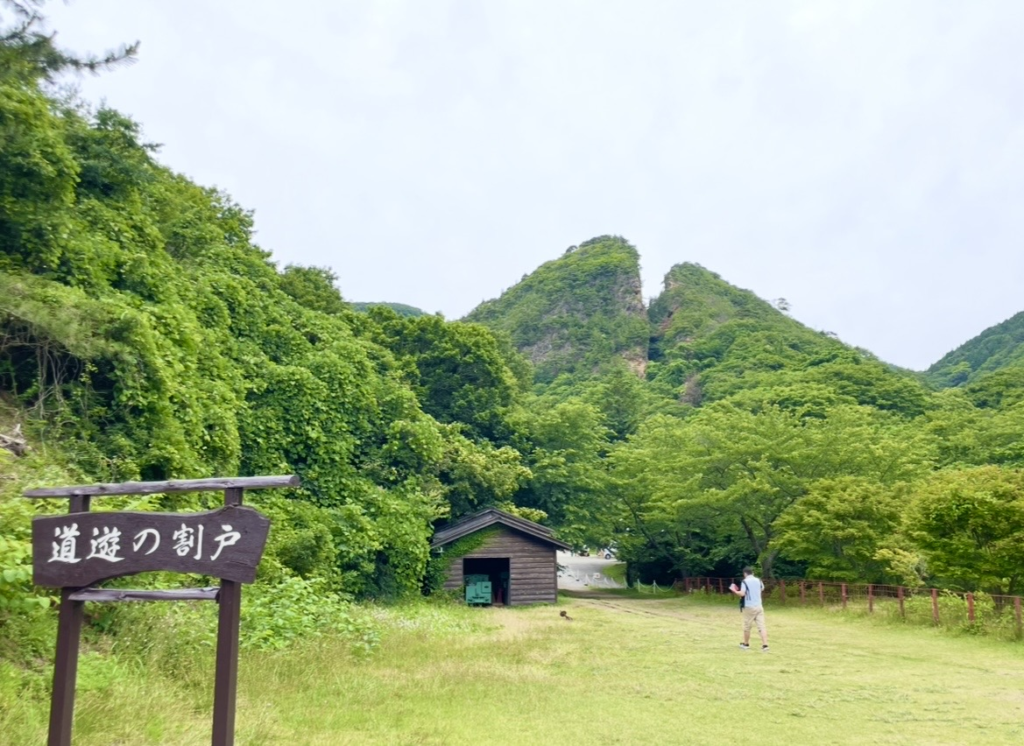
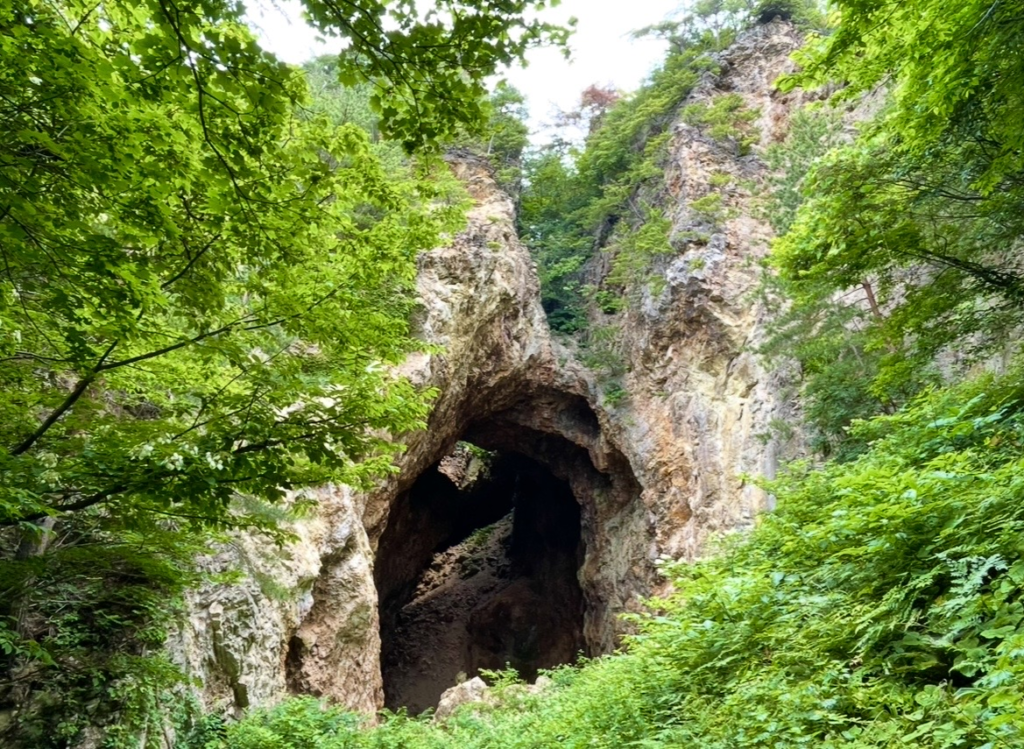
As you exit the tunnel, you’re greeted by Dōyū‑no‑Warito, the iconic symbol of the Sado Gold Mine. This dramatic landmark features a massive rock mountain split cleanly in two, creating a striking and unforgettable view. You can admire it from the designated lookout point, but you can also walk closer to the divide itself, allowing you to fully appreciate its overwhelming scale and presence.
Around the area, you’ll find several historical structures that hint at the mine’s former scale, such as the Kōnin vertical shaft, which was used to lift ore to the surface, and the remains of trolley tracks once used to transport excavated rock. Exploring these features gives you a deeper appreciation of just how large and complex the Sado Gold Mine once was.
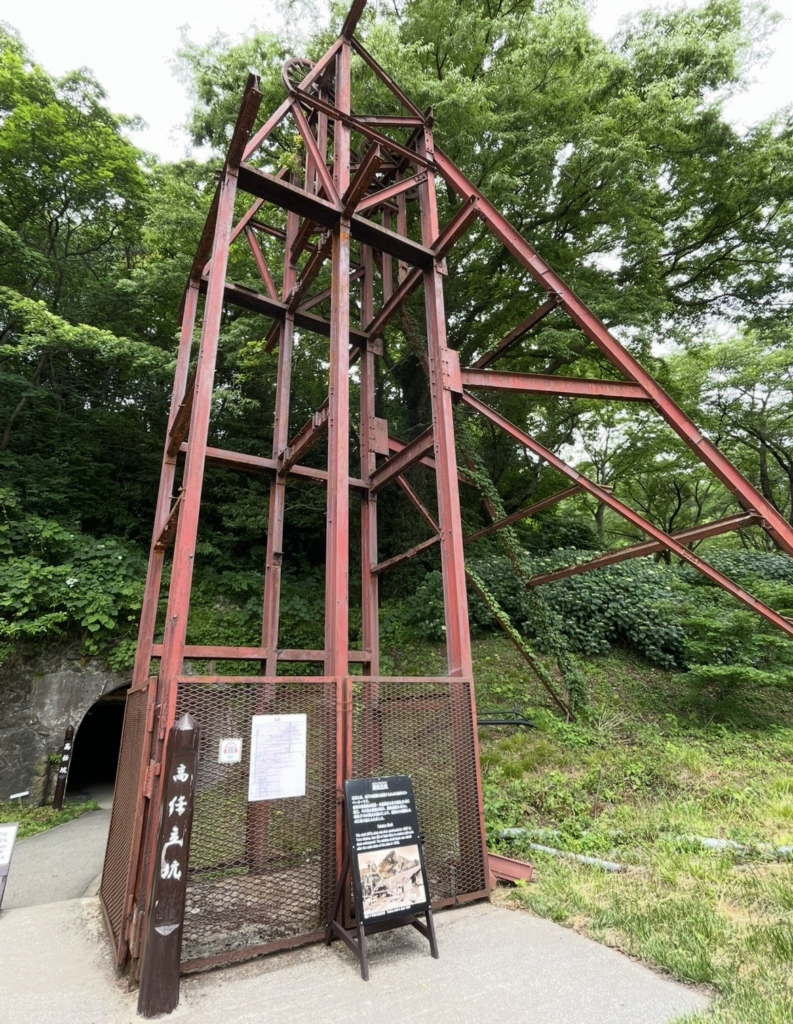
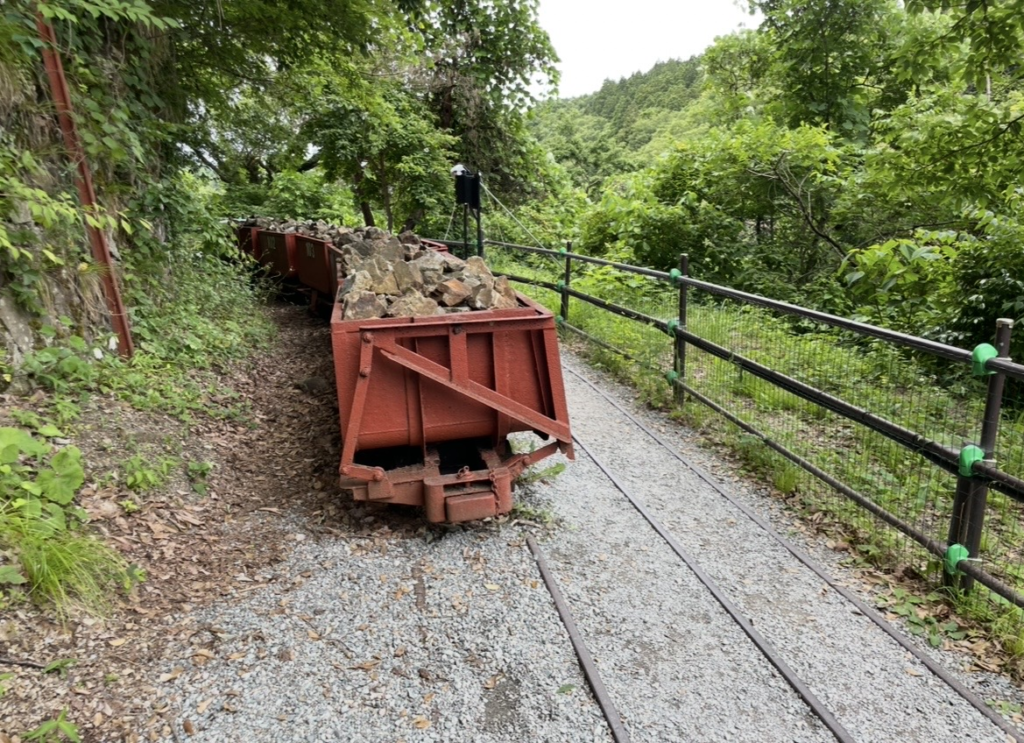
The Sado Gold Mine offers a remarkable blend of World Cultural Heritage value, immersive underground exhibits, and dynamic natural scenery. It’s an area packed with the very best of what Sado has to offer, so take your time and enjoy it fully.
Senkaku Bay – Agejima Park
Senkaku Bay’s Agejima Park is a popular scenic spot, also known as a filming location for the Japanese hit movie Your Name. The rugged cliffs and crystal‑clear waters create one of the most breathtaking views on Sado Island, captivating visitors with its dramatic coastal landscape.
From the viewing platform, you can take in towering cliffs and a deep blue sea stretching out before you—an impressive scene that feels straight out of a movie. The natural sculptural beauty of the coastline blends with the romantic atmosphere of a place featured in Your Name., creating a spot where simply standing there makes your mind feel clear and refreshed.
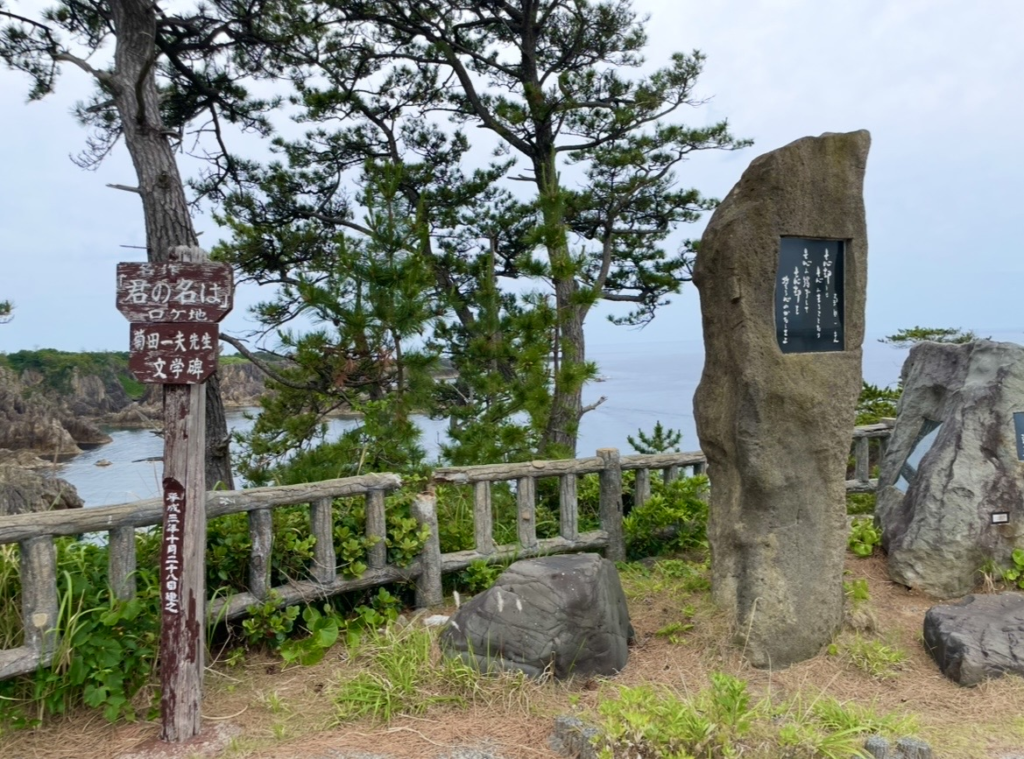
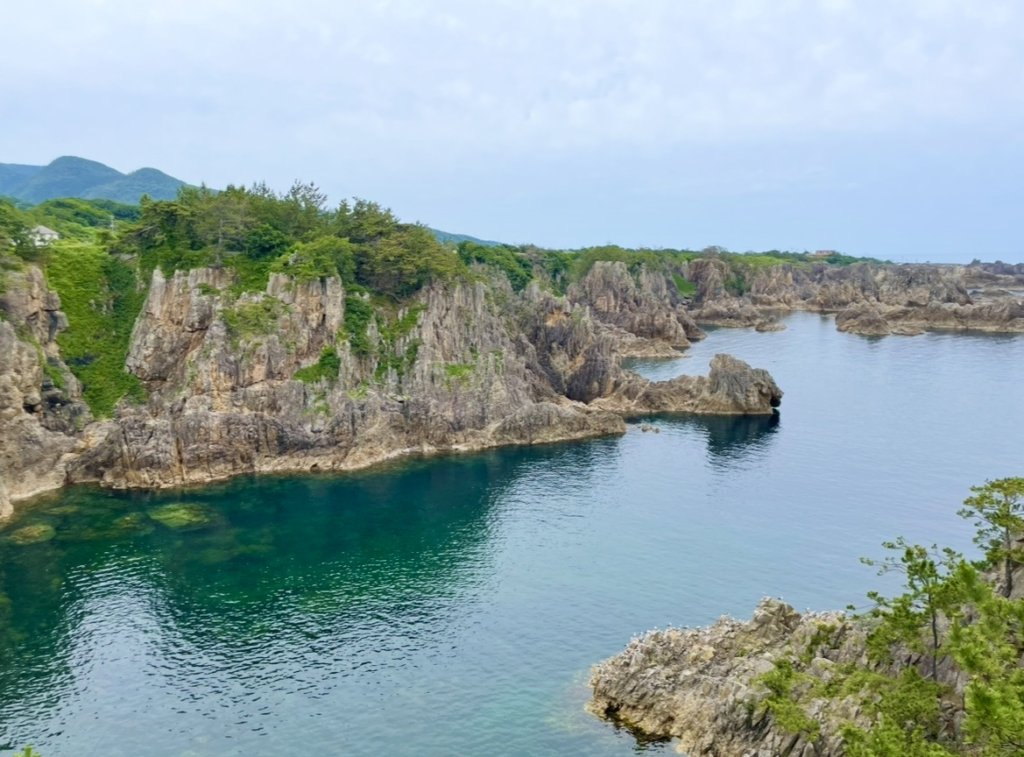
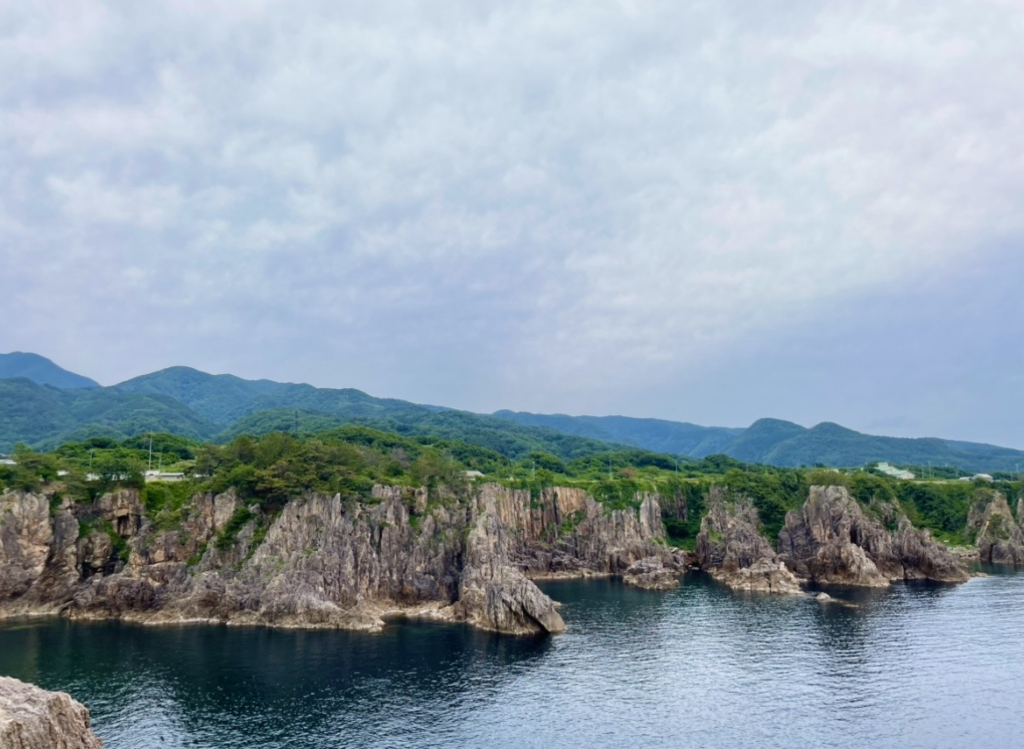
If you have extra time, you can take a sightseeing boat and view the cliffs up close from the sea. Seen from just above the water’s surface, Senkaku Bay has a completely different intensity—the towering rock walls and the intricate coastline feel far more vivid and powerful from this ocean‑side perspective.
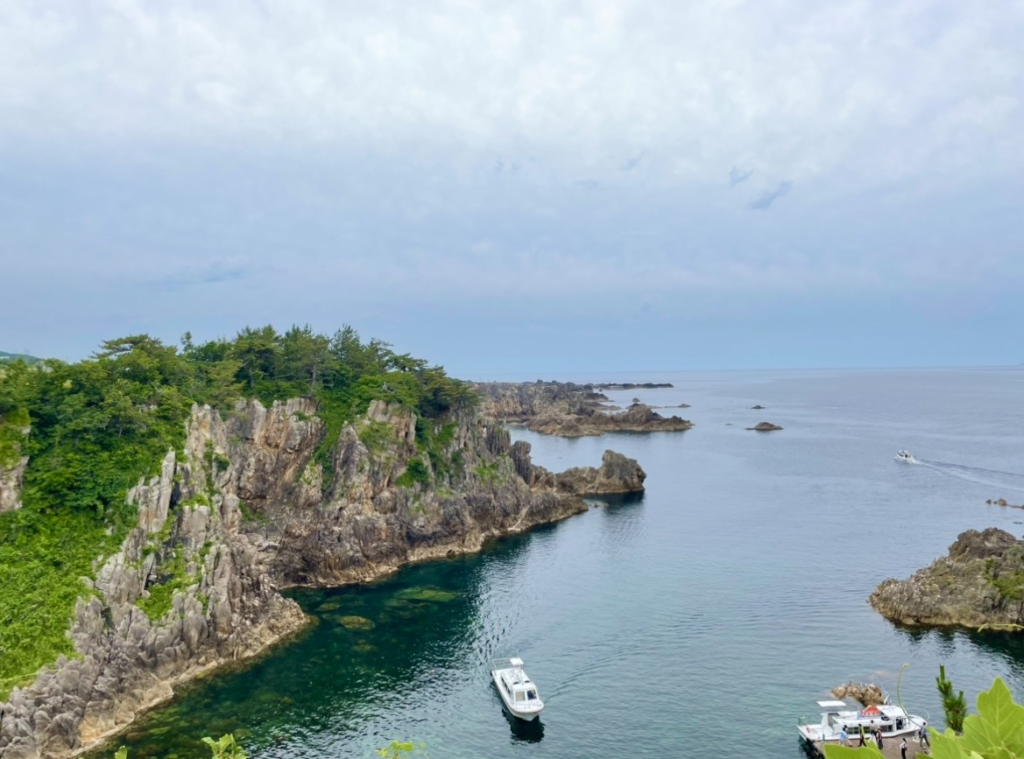
The dramatic landscape of Senkaku Bay was shaped over countless years by the rough waves of the Sea of Japan. Hard rock cliffs were gradually carved away, forming the complex, interwoven coastline that creates today’s dynamic scenery. Sado’s diverse geology also plays a key role in producing this uniquely beautiful shoreline.
If you want to experience the grandeur of Sado’s coastal scenery, Senkaku Bay Agejima Park is a must‑visit. It’s the perfect place to enjoy unforgettable views that will stay with you long after your trip.
Ōnogame
Next, you’ll drive straight toward Ōnogame.
Located in the Sotokaifu area in the northern part of Sado Island, Ōnogame is a massive single‑rock mountain that juts boldly out toward the sea.
Its name comes from its turtle‑shell shape, and at 167 meters tall, Ōnogame is known as one of Sado’s most impressive scenic landmarks. The sweeping views of the surrounding sea and grasslands create a majestic landscape that ranks among the island’s finest.
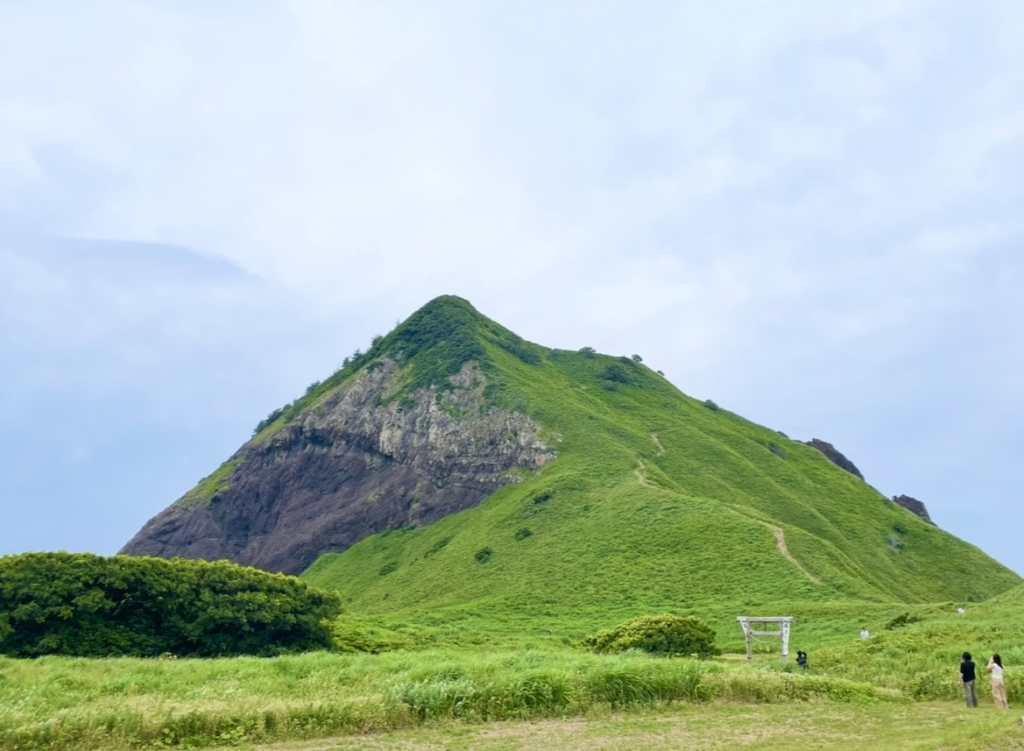
The unique shape of Ōnogame was formed by hard volcanic rock that endured centuries of erosion from the rough waves and strong winds of the Sea of Japan. As the surrounding areas were worn away, a massive block of rock remained standing, creating the dynamic, sea‑facing formation seen today. It’s a symbolic landscape of Sado, shaped by volcanic origins and relentless coastal erosion.
At the foot of the mountain stands Suwa Daimyōjin, a shrine long cherished by the local community. As a place of prayer closely tied to coastal life, it represents the harmony between natural beauty and spiritual tradition—another hallmark of Sado’s distinctive scenery.
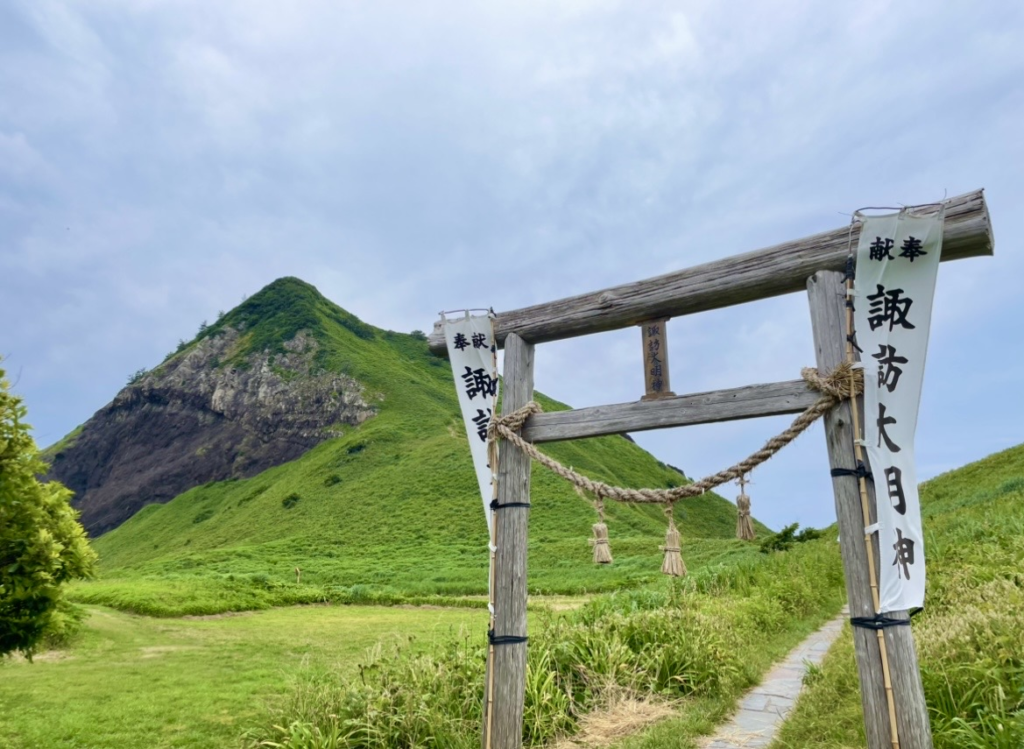
A walking trail has been built on Ōnogame, and you can climb to the top.
However, the slope is quite steep and far more demanding than it looks, so you’ll need enough time—and a bit of determination. I actually turned back halfway myself, and the climb felt less like a casual hike and more like a light mountain trek.
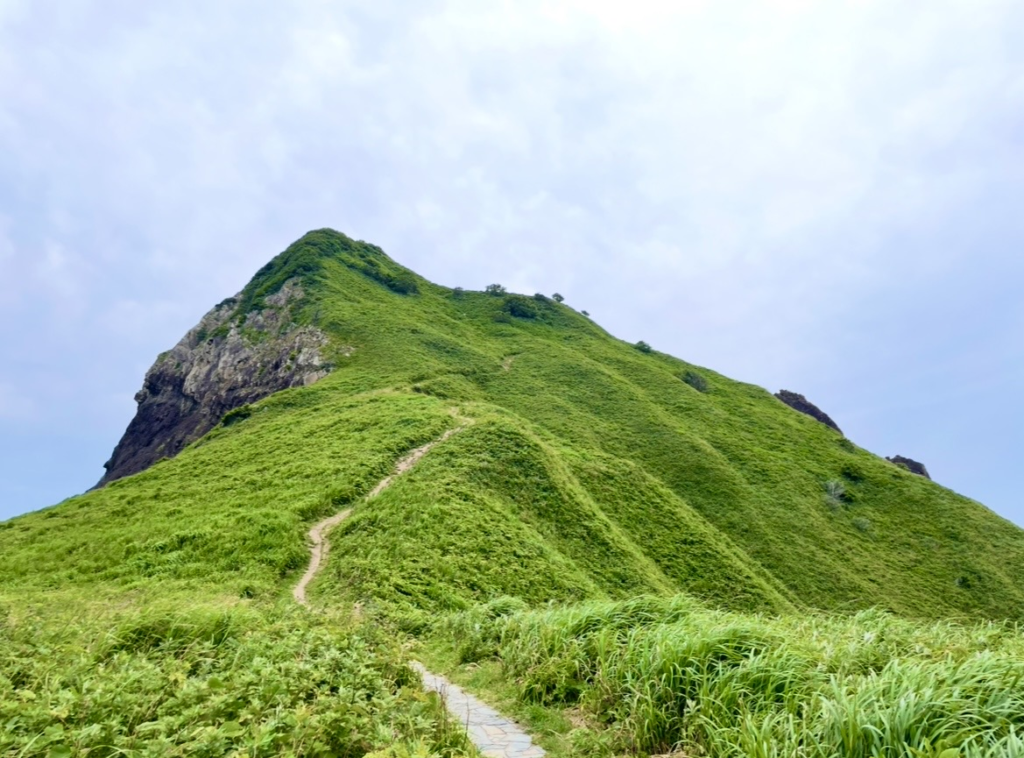
Even without climbing, you can fully enjoy the breathtaking scenery at Ōnogame. The powerful view of the massive rock rising above you, the contrast between the sea and the grasslands, and the shifting expressions of nature throughout the seasons are captivating enough to make you stop and simply take it all in.
If you want to experience the grandeur of Sado’s natural landscape, Ōnogame is a spot you shouldn’t miss. Its presence and scenery will leave a lasting impression on your journey.
Futatsugame
Futatsugame is a scenic spot located in the Sotokaifu area, not far from Ōnogame, and it’s a place you’ll definitely want to visit together with it.
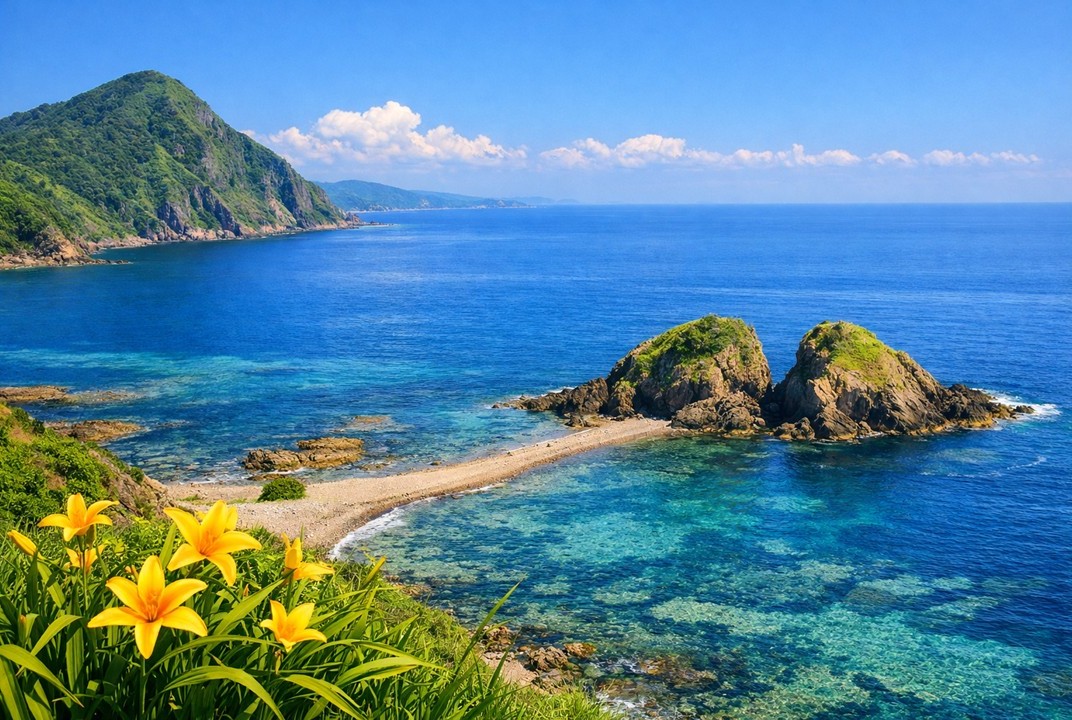
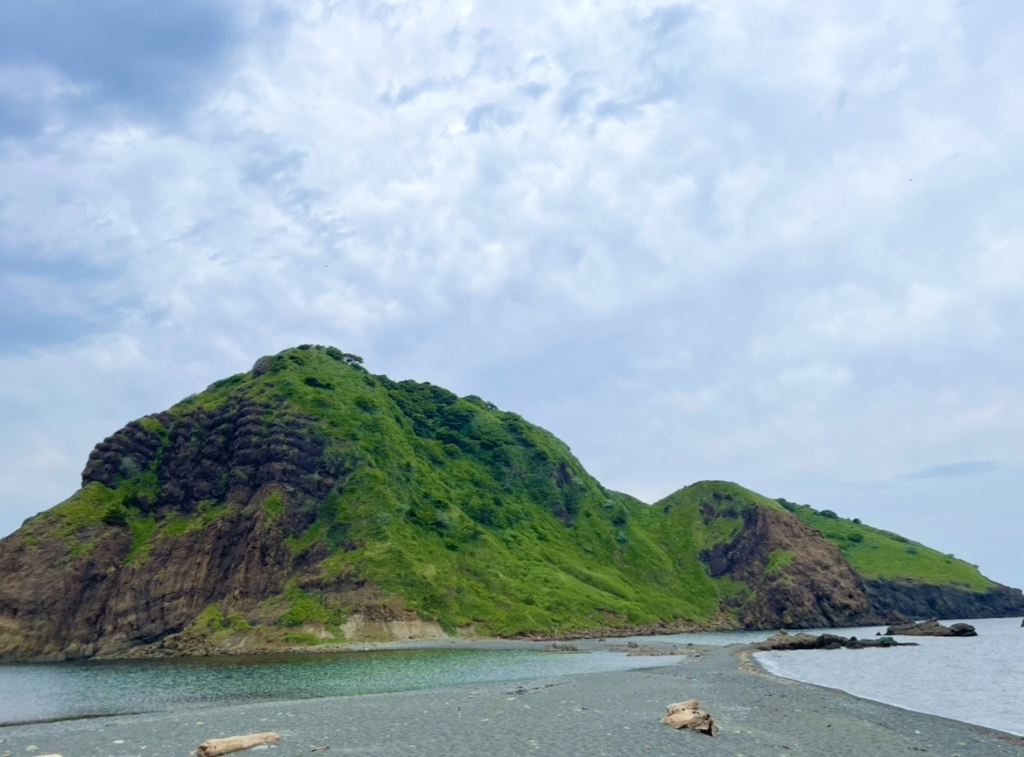
Futatsugame gets its name from the two rock formations that resemble turtles floating in the sea. It’s also known for the “tombolo phenomenon,” where the rocks connect to the mainland at low tide. Depending on the ebb and flow of the tide, Futatsugame and the Sado coastline join and separate—a rare sight even on a national scale.
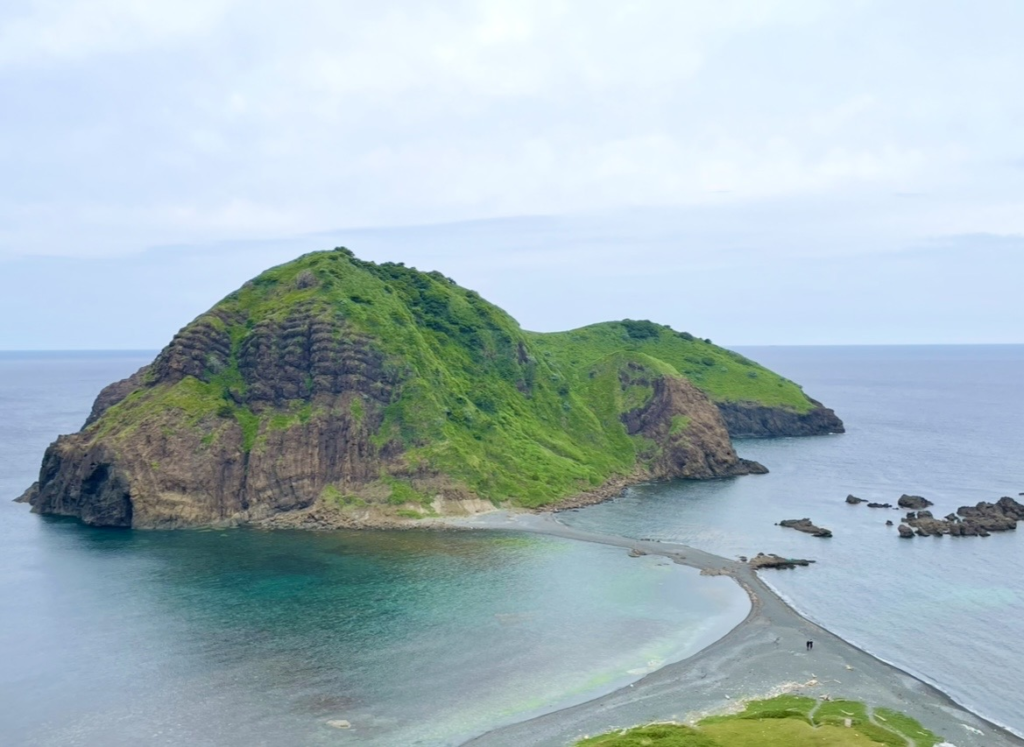
Like Ōnogame, the distinctive shape of Futatsugame was formed by hard volcanic rock that endured centuries of erosion from the rough waves of the Sea of Japan. As the softer surrounding layers were worn away, only the tougher rock masses remained, creating the unique sight of two rocky islets standing side by side in the sea. It’s one of Sado’s characteristic coastal formations, shaped by volcanic origins and relentless wave action.
To get close to Futatsugame, you’ll need to descend a cliff. Although the stairs are maintained, the slope is quite steep, and both the descent and the climb back up require a fair amount of energy. The distance is short, but the round trip is surprisingly demanding, so it’s best to visit with enough time and stamina to spare.
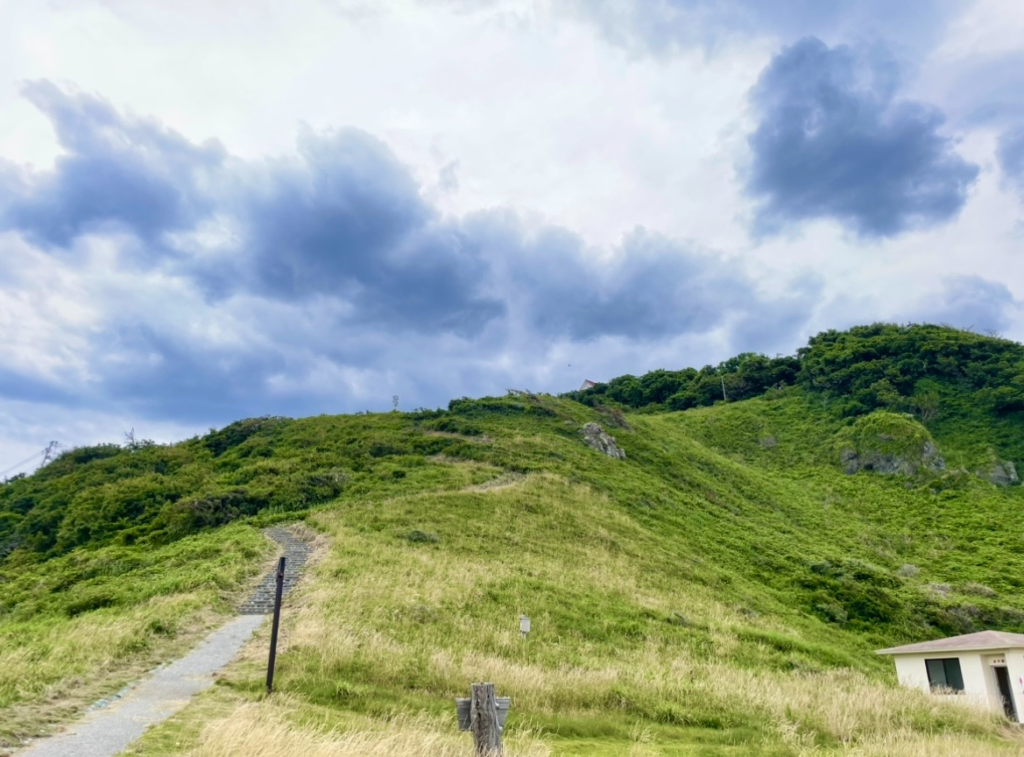
Even so, the view of Futatsugame from right down by the water is truly exceptional. The two rocks change their appearance with the tide, standing side by side as if floating on the sea, and during low tide the sandy path appears between them and the mainland.
Visiting Futatsugame together with Ōnogame lets you experience the full power of the Sotokaifu coastline—one of the most dynamic natural landscapes on Sado.
From Ryōtsu Port Back to Niigata
With this, the itinerary for my trip to Sado comes to an end. After returning the rental car, I head back to Niigata from Ryōtsu Port.
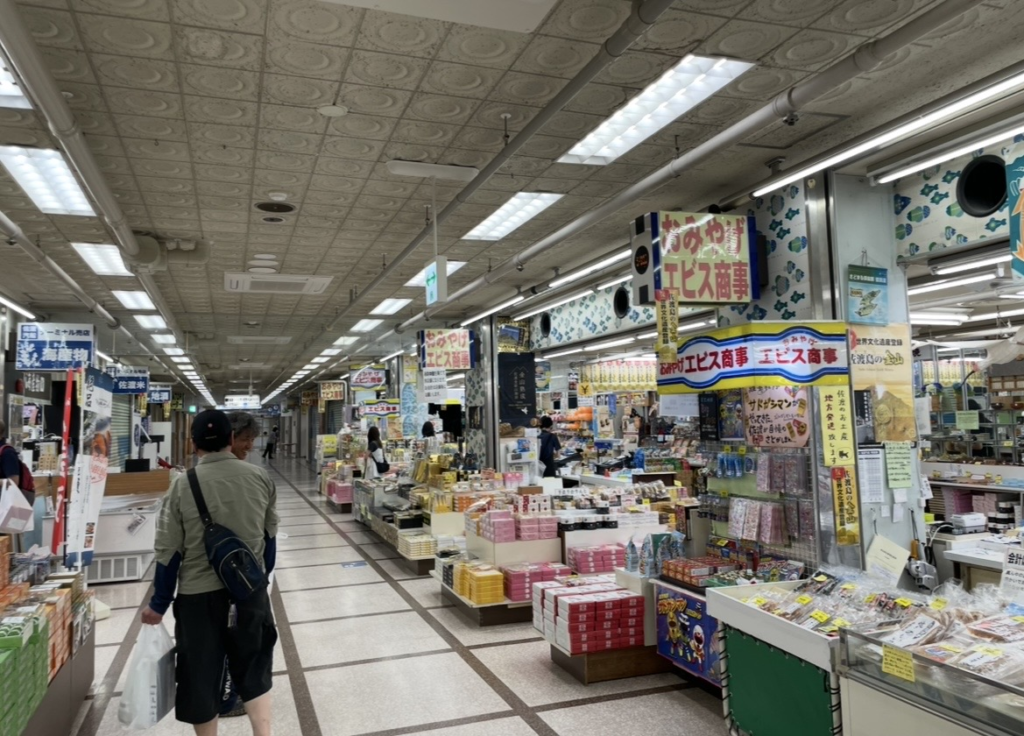
The terminal is surprisingly well-equipped, with souvenir shops and restaurants that make the waiting time pleasant. You can browse for anything you forgot to buy or enjoy a light meal before departure, so the time before boarding never feels like a burden.
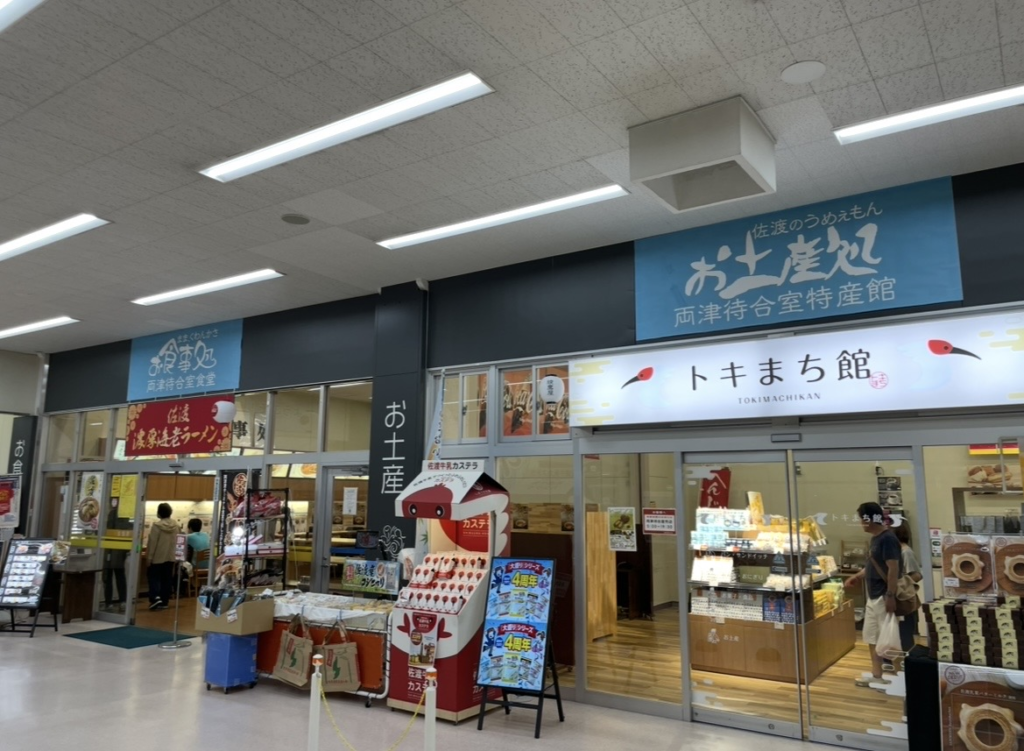
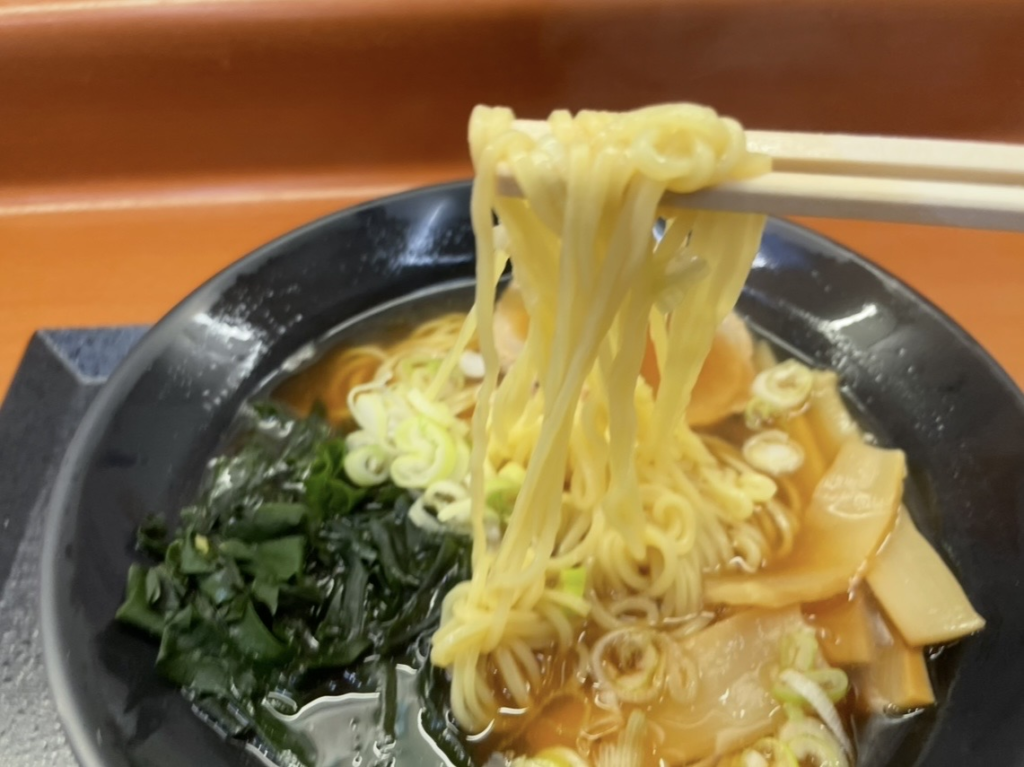
Inside the terminal, you can also enjoy Sado’s specialty agodashi ramen. Its refined, savory broth is the perfect bowl to end your trip on a satisfying note.
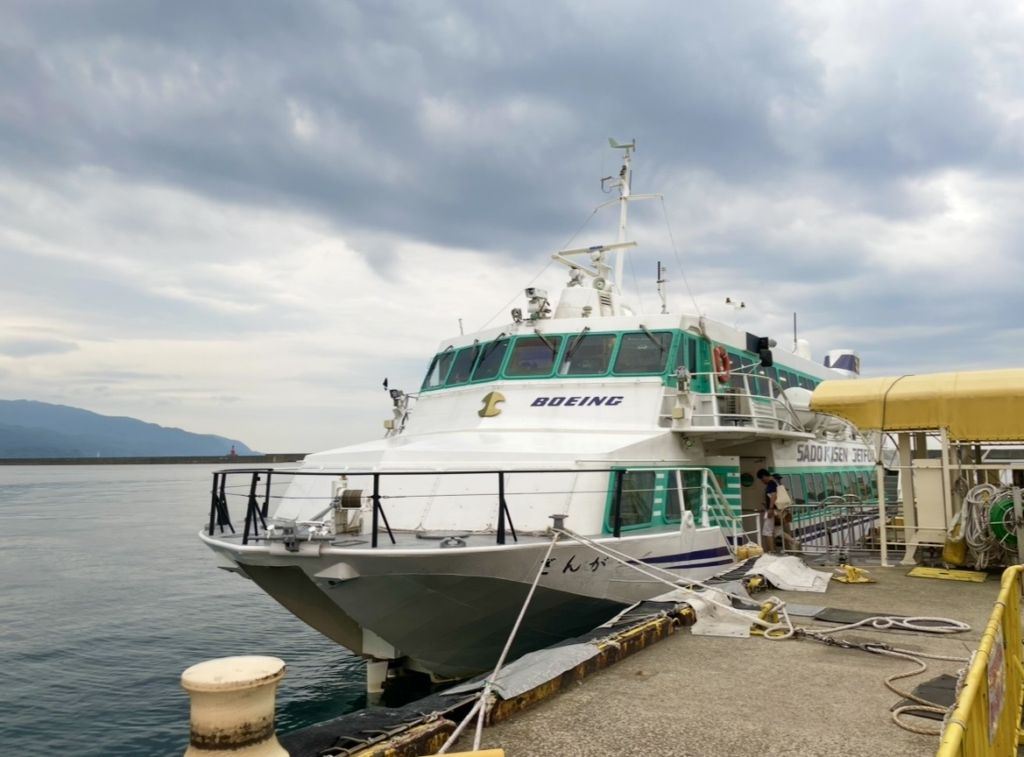
I took the ferry on the way to Sado, but for the return trip I used the high‑speed jetfoil, getting back to Niigata in about an hour.
This concludes my journey to Sado. Walking through its vast natural landscapes and island‑unique scenery made me appreciate the depth and quiet beauty the island holds.
Each time I visited the dramatic coastal formations or places marked by long history, I found myself drawn further into Sado’s calm and compelling charm. If you ever have the chance to visit Sado, I hope this article helps make your trip even richer and more memorable.