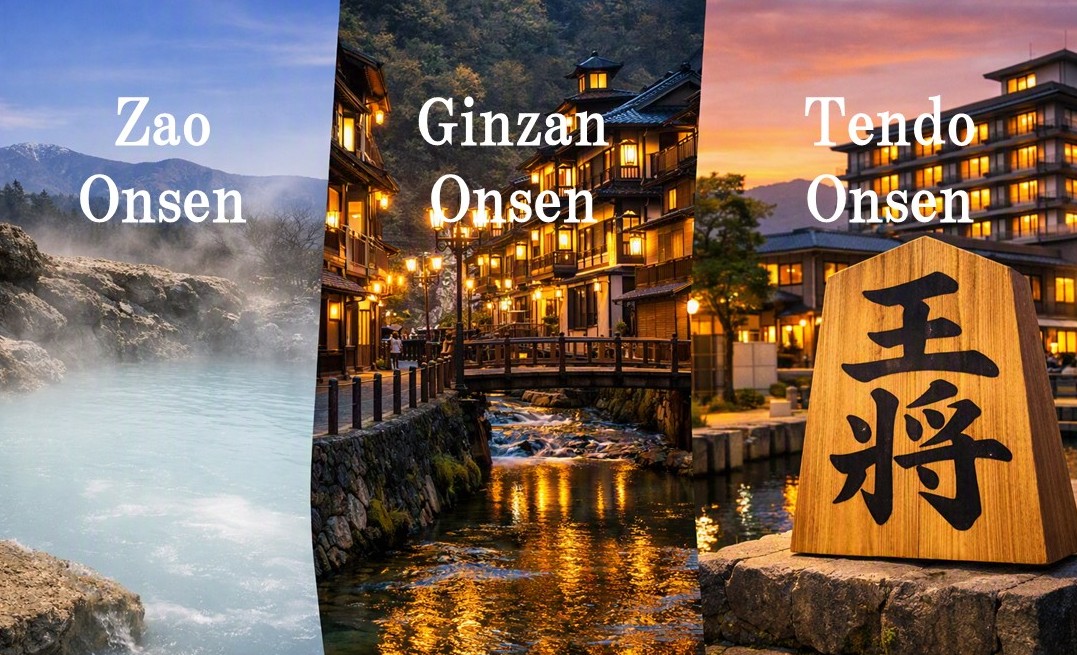


Yamagata Prefecture is home to hot spring towns with completely different personalities. Zao Onsen, where you feel the powerful presence of the mountains; Ginzan Onsen, where Taisho-era charm remains beautifully preserved; and Tendo Onsen, which offers excellent access and works perfectly as a travel base. Even though they are all “Yamagata onsen,” the atmosphere, hot spring qualities, and overall satisfaction of the stay differ completely — and I felt those contrasts strongly after visiting all three.
Your ideal place to stay changes significantly depending on the purpose of your trip. Whether you want to experience dramatic nature, stroll through retro streets, or use a convenient hub for sightseeing. On top of that, Yamagata offers enjoyable town walks and local food, distinct hot spring qualities, unique inn atmospheres, and even the increasingly relevant concern of bear encounters — all important points for travelers.
In this article, I compare Zao, Ginzan, and Tendo Onsen based on five key factors: access, town walks, hot spring qualities, inns, and bear safety. This guide is designed to help anyone planning a trip to Yamagata decide which hot spring town best fits their travel style, using insights from real experience.
Zao Onsen|A Hot Spring Town Where Strongly Acidic Waters and Wild Mountain Nature Coexist
Zao Onsen is one of the hot spring areas in Yamagata Prefecture where you can most strongly feel the power of nature. The hot spring town spreads along the slopes at high elevation, carrying a gentle sulfur scent and a unique atmosphere with rising steam. The town is compact yet dotted with public baths, preserving the charm of traditional therapeutic hot spring culture. Surrounding the area stands the Zao mountain range, famous for its snow monsters, offering completely different scenery depending on the season. It is a place where the intensity of nature and the simplicity of a mountain hot spring town coexist — truly the perfect example of a “mountain onsen.”
Access to the Hot Spring Town
Zao Onsen is located on the mountainside of the Zao mountain range in the southeastern part of Yamagata City.
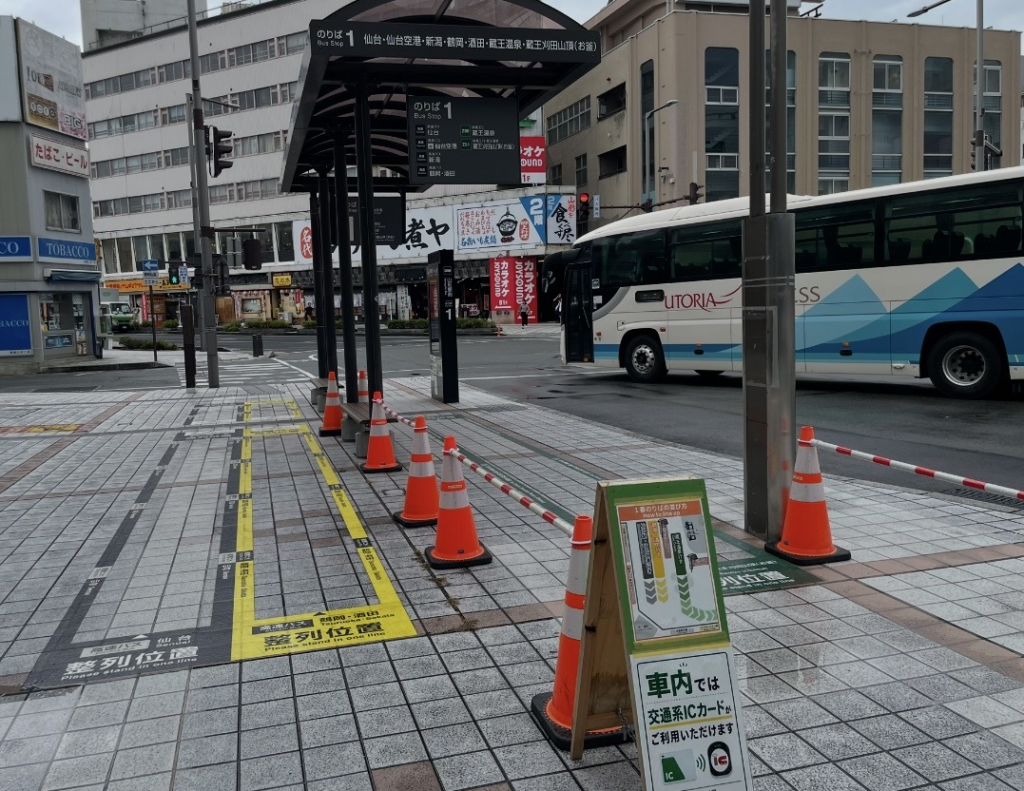
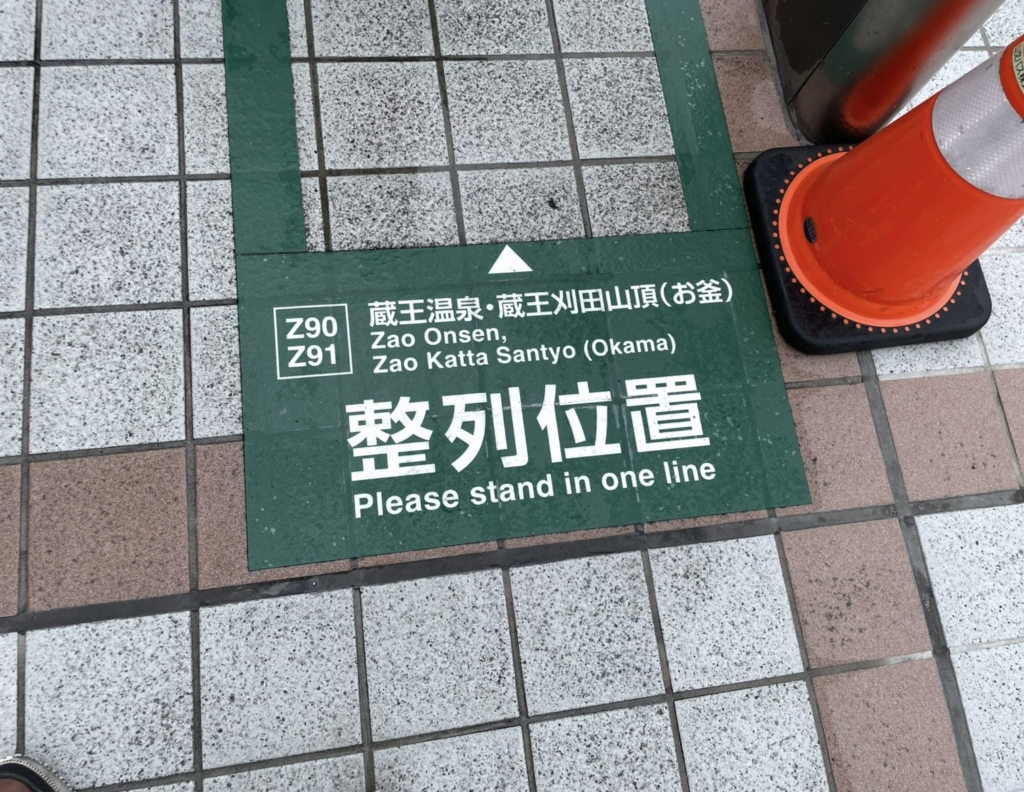
The gateway to Zao Onsen is JR Yamagata Station, where a route bus runs from the station front to the Zao Onsen Bus Terminal. The route bus accepts Suica and other major IC transit cards, so you don’t need to prepare cash for the ride. In addition, the boarding area for buses bound for Zao Onsen is clearly marked in front of Yamagata Station, making it easy for first-time visitors to board without confusion.
You can also reach Zao Onsen by car, but there are mountain road sections along the way, so if you’re not confident in your driving, using the route bus is the safer option.
Town Walks and Local Food Experiences
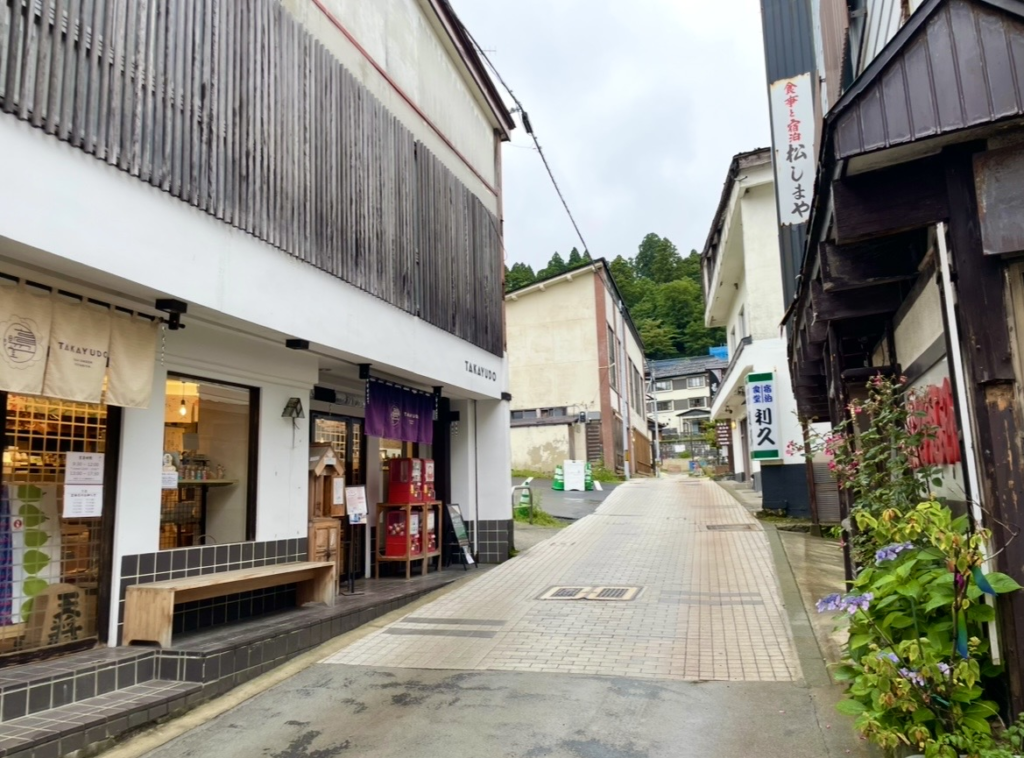
The main street of Zao Onsen is “Takayu Street,” located right next to the bus terminal. Along this street you’ll find restaurants, souvenir shops, and public baths, making it the starting point for exploring the town.
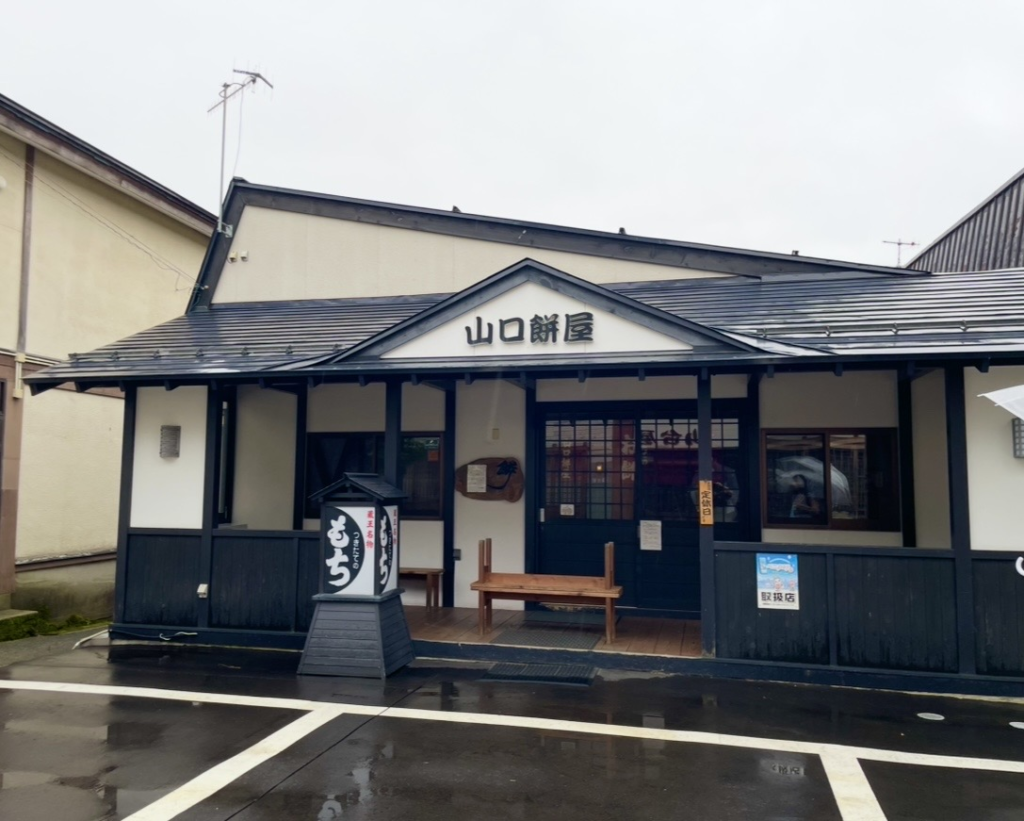
Surprisingly, Zao Onsen has a deep-rooted mochi culture, and one place you should definitely stop by is Yamaguchi Mochiya. They offer a variety of mochi dishes, including zunda mochi and their most popular mochi set meal. However, the shop is only open on weekends. I visited on a Friday, so unfortunately it was closed — but it’s a place I absolutely want to return to next time.
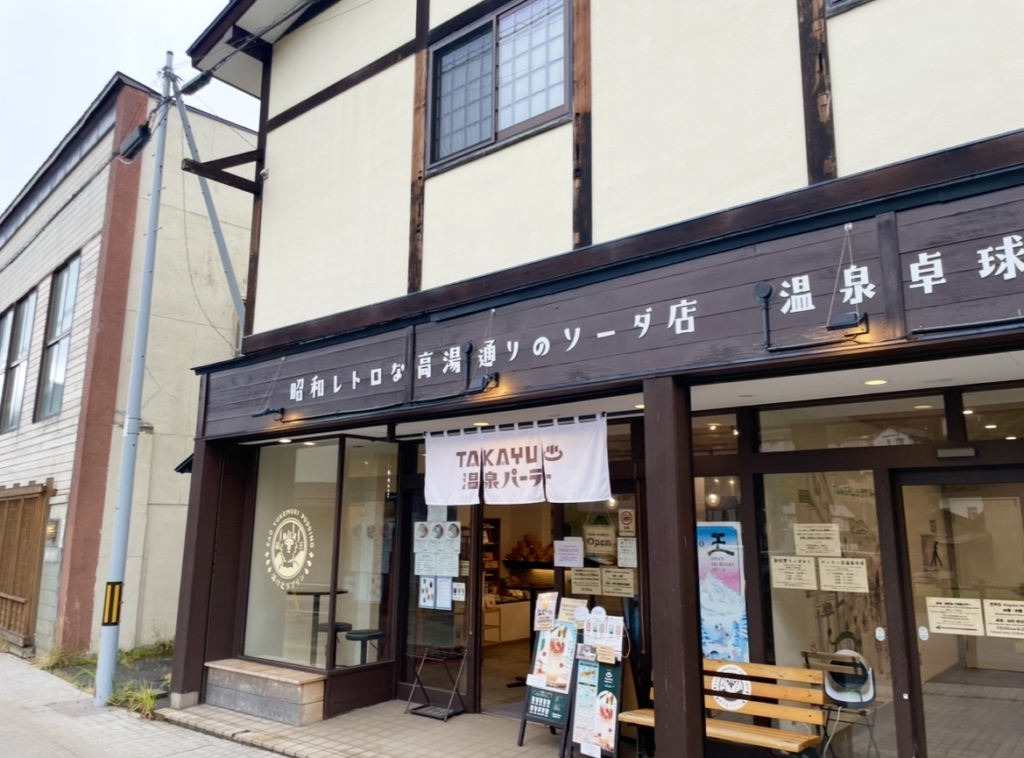
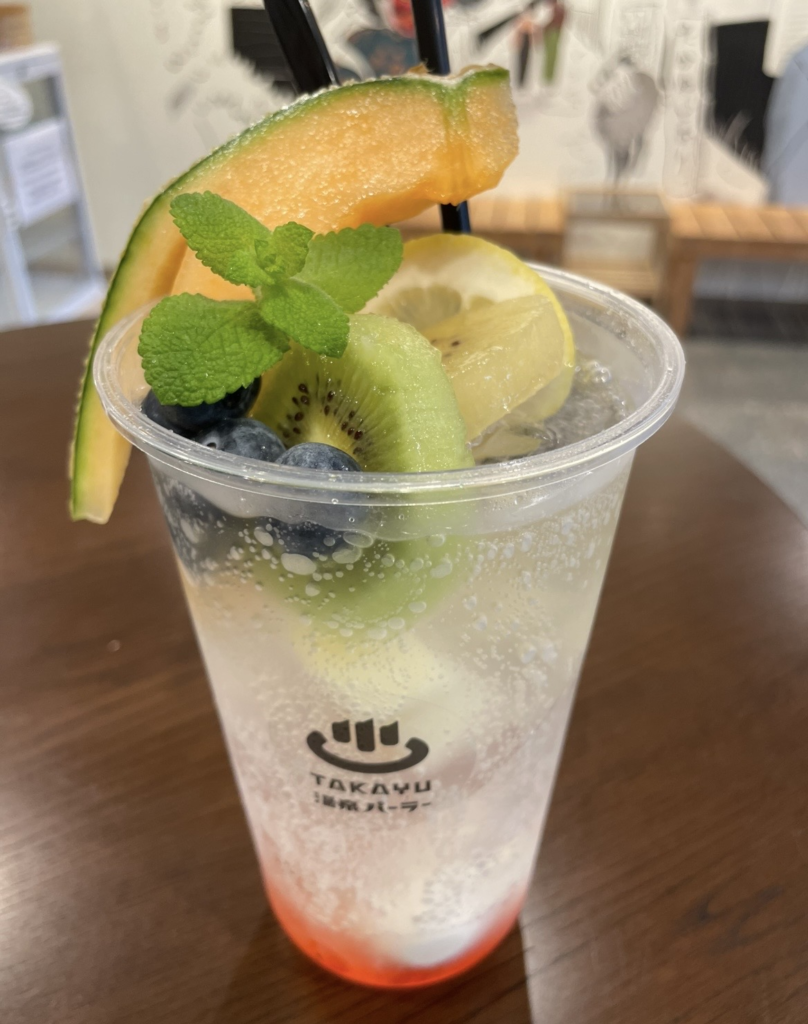
Another recommended spot is TAKAYU Onsen Parlor. Here you can enjoy their homemade “Yukemuri Pudding” and the refreshing “TAKAYU Fruit Soda” made with fresh Yamagata fruits. It’s a casual sweets stop that’s perfect for taking a break while strolling through the hot spring town.
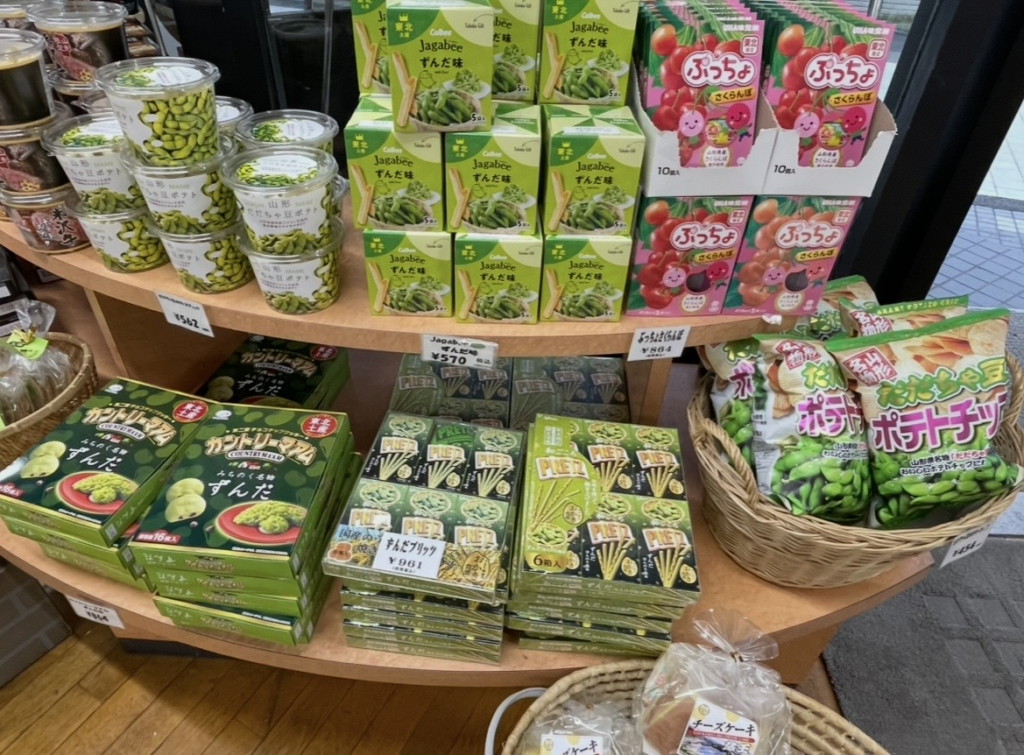
When you browse the souvenir shops, you’ll find many sweets made with zunda, giving you a strong sense of Yamagata’s local flavor.
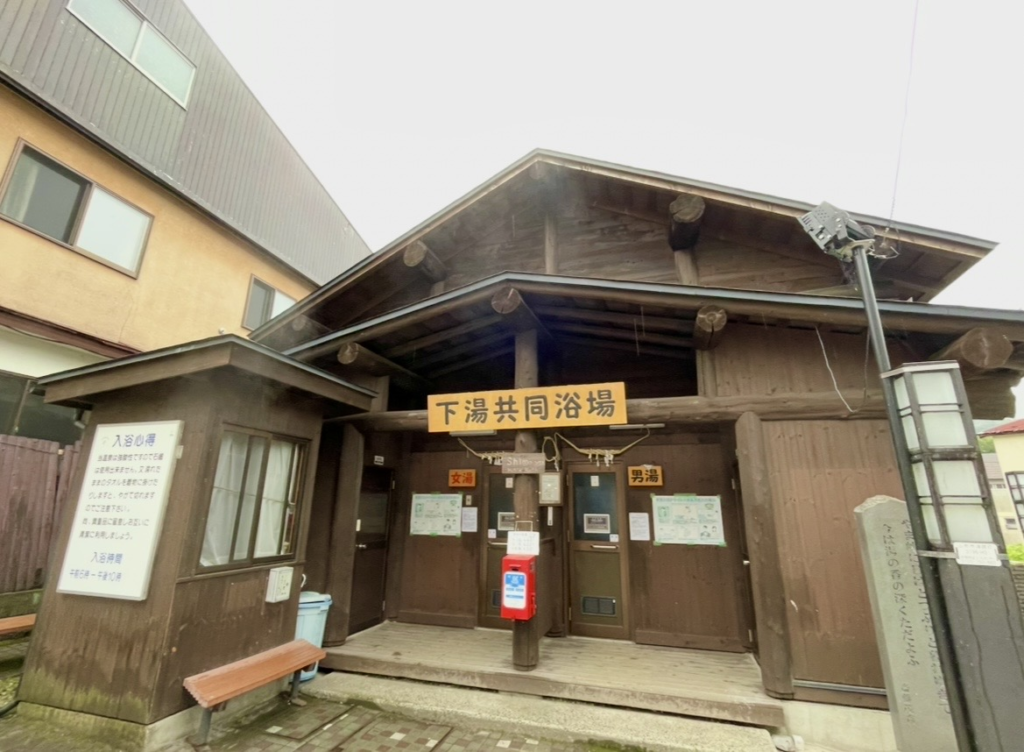
Another must‑see feature of Zao Onsen is its three public bathhouses. Each one has a charming retro appearance that blends perfectly with the town’s atmosphere. Even if you don’t actually bathe, simply viewing these historic bathhouses is enjoyable.
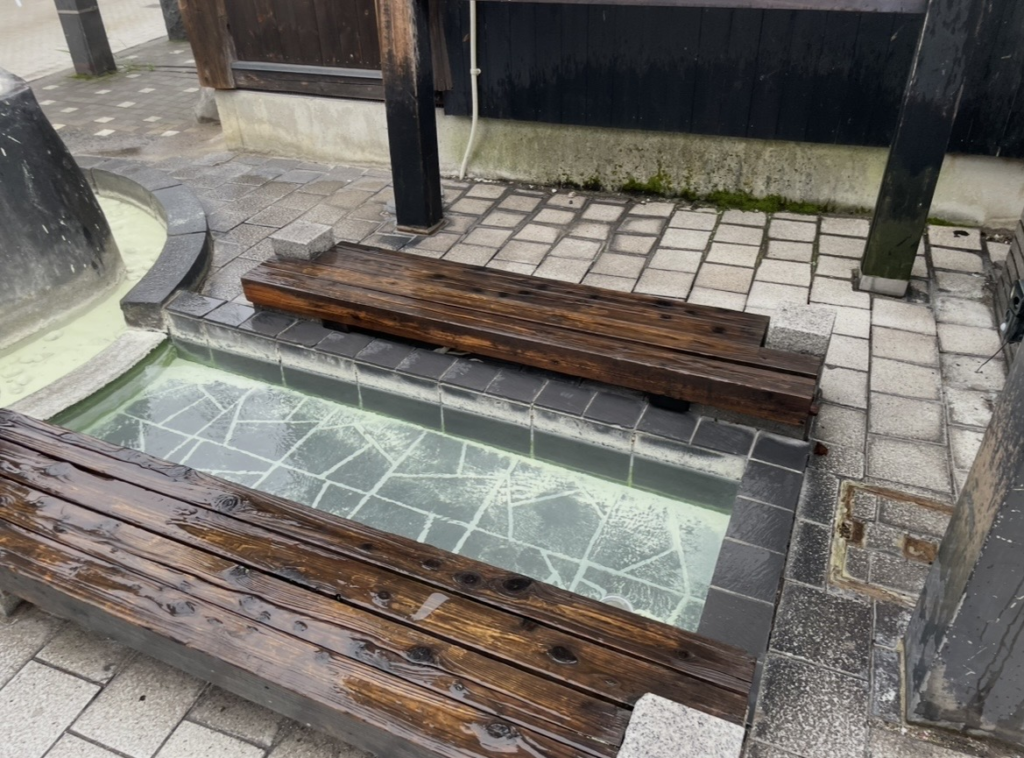
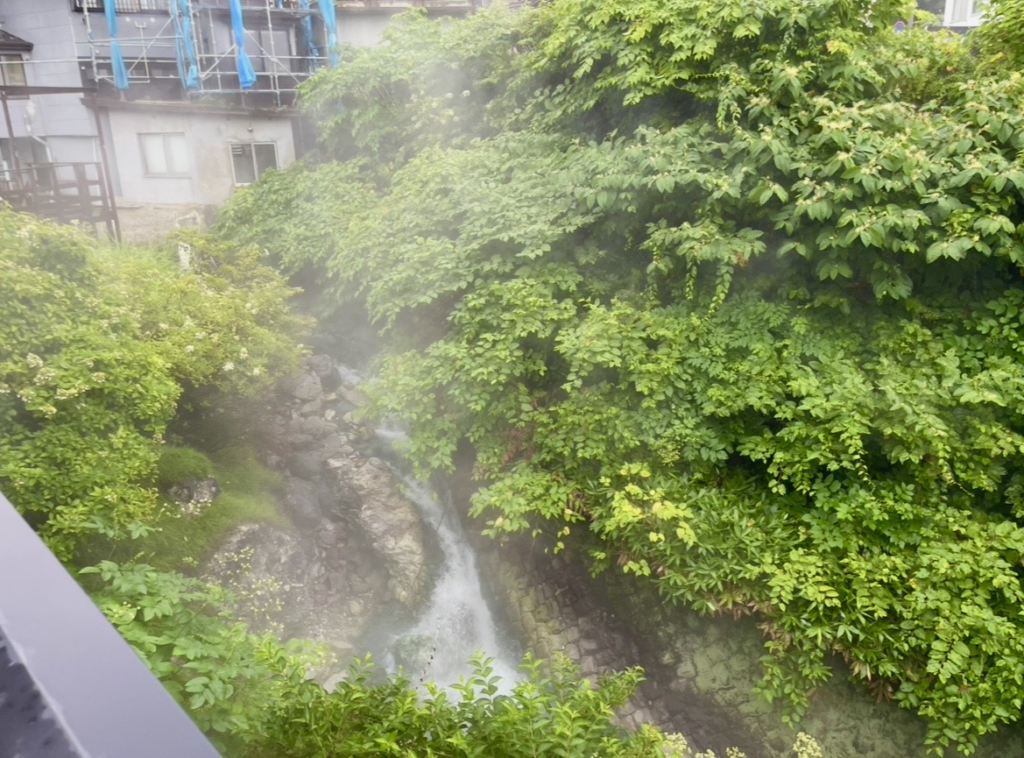
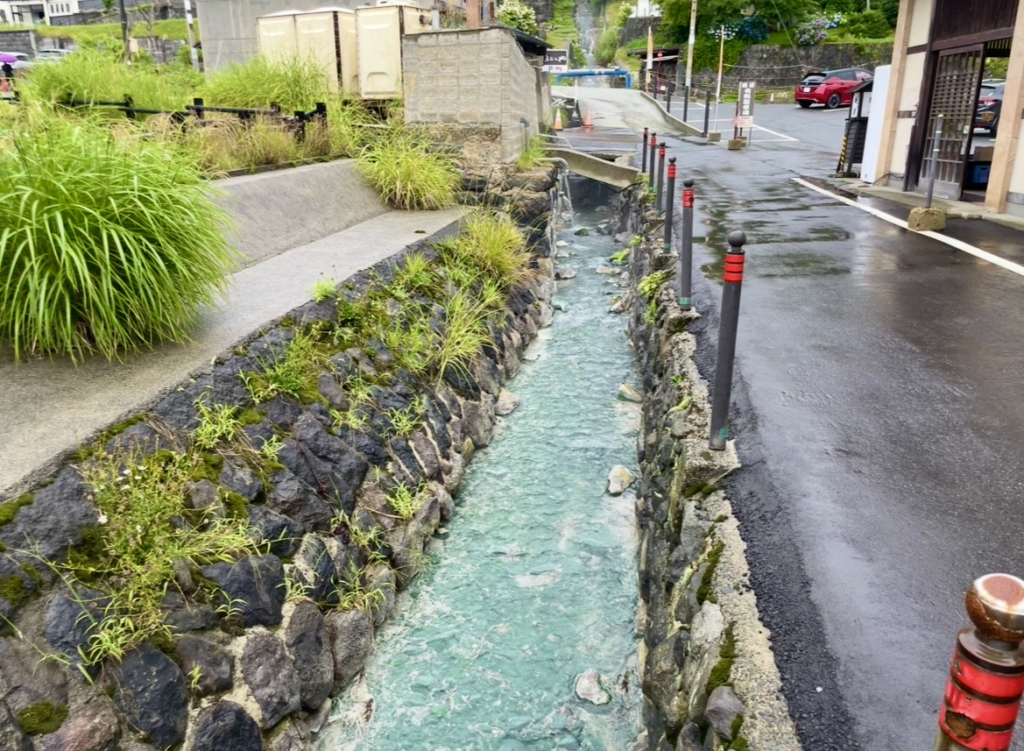
As you walk through the town, you’ll find footbaths, spots where steam rises from the ground, and a river mixed with hot spring water, all carrying a gentle sulfur scent. Simply strolling around lets you feel that you’ve truly arrived at a hot spring destination, offering a uniquely Zao Onsen experience.
Water Quality and My Actual Bathing Experience
Zao Onsen is known for its uniquely strong acidic sulfur springs, a rarity even within Japan. The water is said to have powerful antibacterial properties and a tightening effect on the skin, though some people may worry that the strong acidity could feel harsh.
The hot spring at the ryokan where I stayed also featured Zao’s signature highly acidic water. I was slightly concerned about skin irritation before entering, but once I soaked in the bath, it was far gentler than I expected—no sharp stinging sensation at all. Instead, the water felt surprisingly soft, making the bath very comfortable.
The temperature was just right, and as I sank into the tub, a gentle sulfur aroma drifted around me, allowing me to fully enjoy the distinctive atmosphere of Zao Onsen.
Ryokan / Hotels
This time, I stayed at Gokan no Yu Tsuruya, located right in front of the Zao Onsen Bus Terminal. While some accommodations in Zao Onsen are far enough to require shuttle service from the terminal, the hot spring town itself isn’t very large, so many inns are within walking distance. In that sense, Tsuruya stands out for its excellent location, which is one of its biggest advantages.
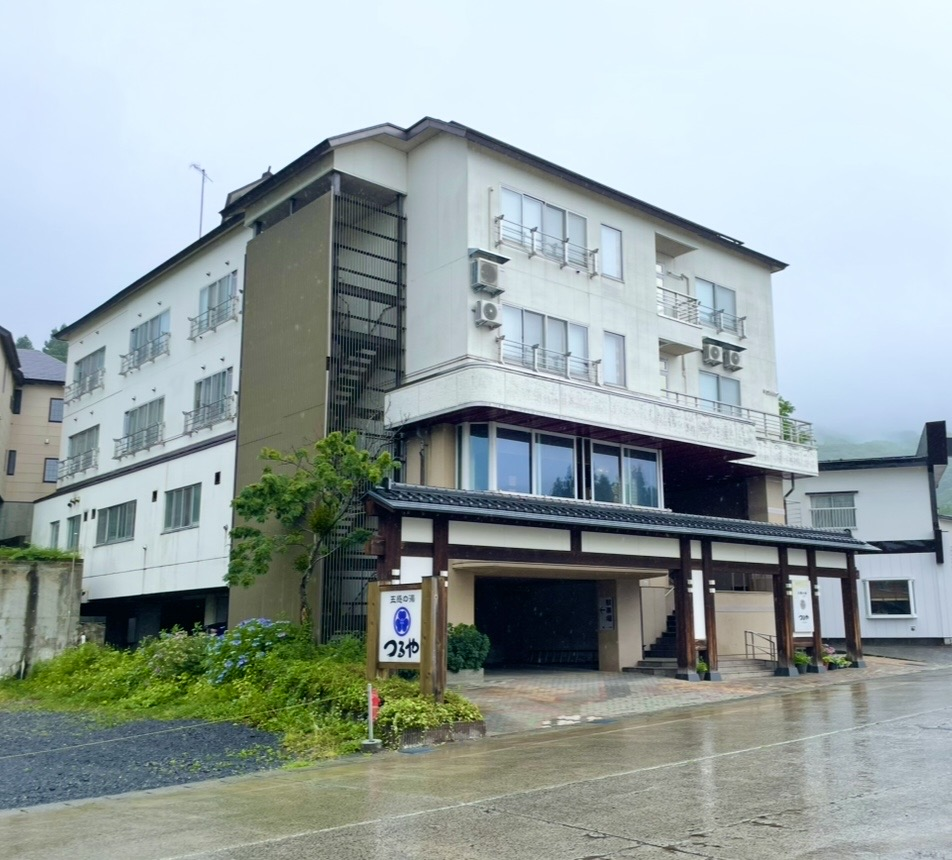
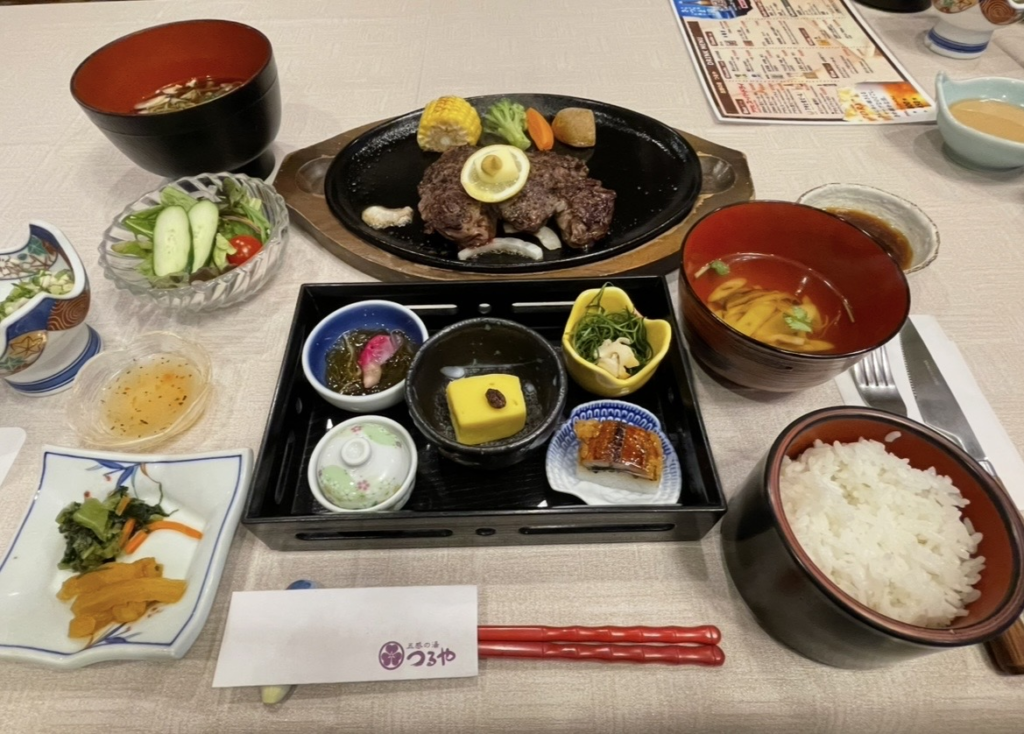
Inside the ryokan, you can enjoy a large public bath featuring Zao’s signature strongly acidic hot spring water. For dinner, they serve dishes made with seasonal ingredients from Yamagata, including the renowned Zao Beef, a premium local brand. These experiences greatly enhance the overall satisfaction of your stay.
I plan to publish a separate article with a detailed review of Gokan no Yu Tsuruya.
Do You Need to Worry About Bears?
I didn’t encounter any bears during my visit, but according to the ryokan staff, “Just make a loud noise and you’ll be fine.” In other words, it’s important to remember that bears are not completely absent from the Zao Onsen area.
Main streets like Takayu-dori have plenty of foot traffic, so you can walk around with little concern. However, the stairway leading to Sukawa Onsen Shrine, one of Zao’s notable spots, is surrounded by dense trees and almost no people. The atmosphere made me feel that “it wouldn’t be surprising if a bear appeared here,” and I instinctively thought that encountering one in such a place would be dangerous.
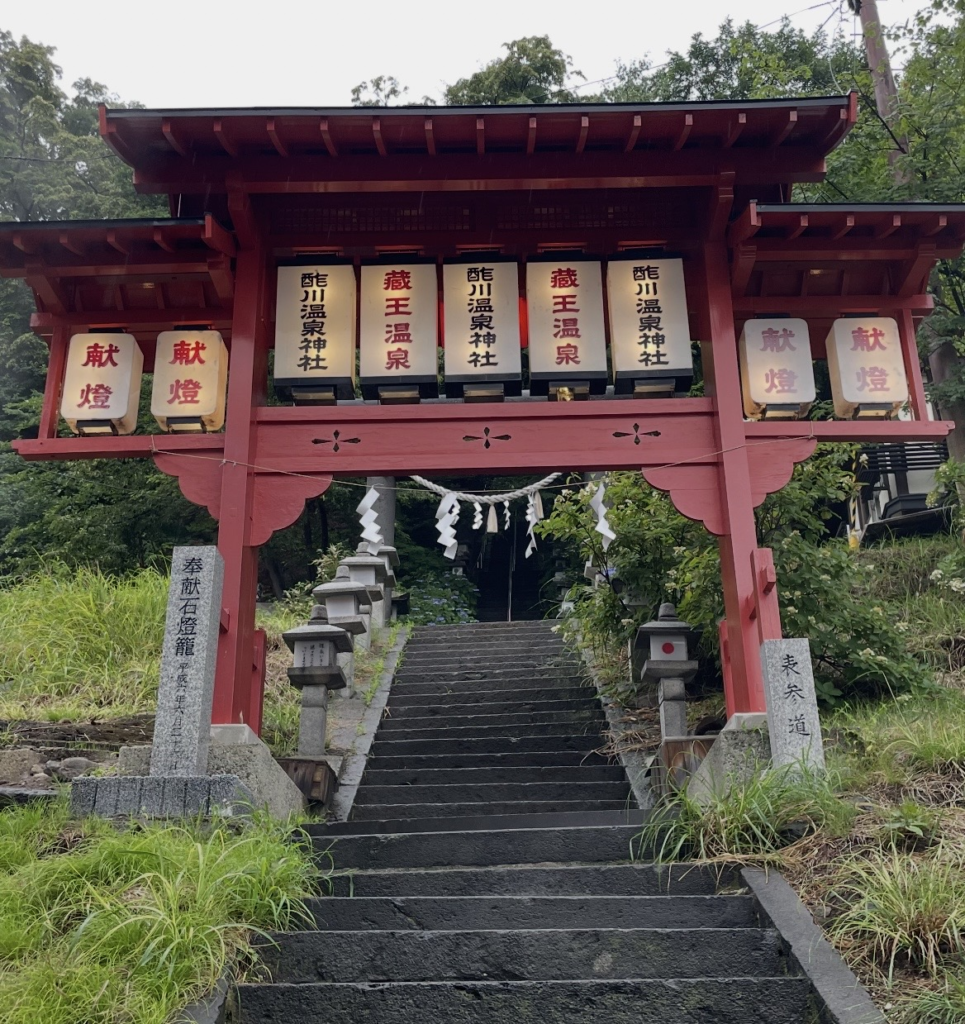
Since Zao Onsen is not the type of hot spring town crowded with tourists, it’s best to avoid places with little visibility or areas close to the forest. I felt that sticking to the main streets makes walking around much safer.
Ginzan Onsen|A Taisho‑Era Romantic Hot Spring Town Filled with Nostalgia
Ginzan Onsen is one of Yamagata’s most enchanting hot spring towns, where the nostalgic charm of the Taisho era remains vividly preserved. The rows of wooden ryokan along the river create a somewhat dreamlike scene, and when the gas lamps light up at dusk, the retro atmosphere feels reminiscent of the world in Spirited Away.
Although the town itself is not large, its compact size allows visitors to fully appreciate the beauty of the architecture and the quiet, calming air. Just stepping into the area gives you a sense of leaving everyday life behind—making Ginzan Onsen a truly special and extraordinary destination in Yamagata.
Access to the Hot Spring Town
Ginzan Onsen is a hot spring town nestled in the mountains of Obanazawa City in Yamagata Prefecture.
The main access point to Ginzan Onsen is JR Ōishida Station, from which a local bus runs to the hot spring town. However, the number of buses is limited, and the connection with JR trains is not particularly convenient.
The route to Ginzan Onsen doesn’t involve steep mountain roads or difficult terrain, so during stable seasons like summer, driving is a more practical option. I also rented a car from Yamagata Station and drove to Ginzan Onsen. That said, the parking area in Ginzan Onsen is not very large. I arrived late Saturday morning, and it was already full. I was lucky that a car happened to leave, allowing me to park quickly, but I did see several cars waiting for a spot.
If you want to avoid congestion, another option is to park at the nearby Taishō Roman-kan and take the paid shuttle bus from there. This is a good choice for travelers who don’t want to waste time waiting for parking.
Town Walks and Local Food Experiences
Although Ginzan Onsen is famous for its magical winter nights illuminated by gas lamps, the town still offers a strong sense of “escape from the everyday” even during summer afternoons. Once you step into the hot spring district, the nostalgic scenery created by the wooden ryokan lining the river instantly spreads around you, slowing your walking pace almost without realizing it.
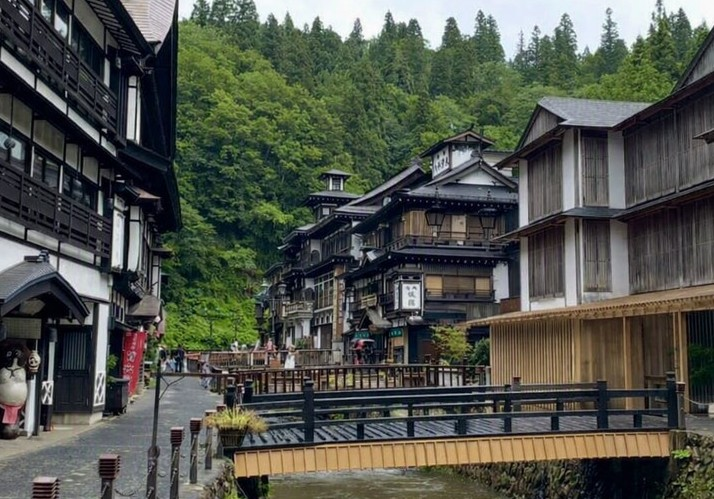
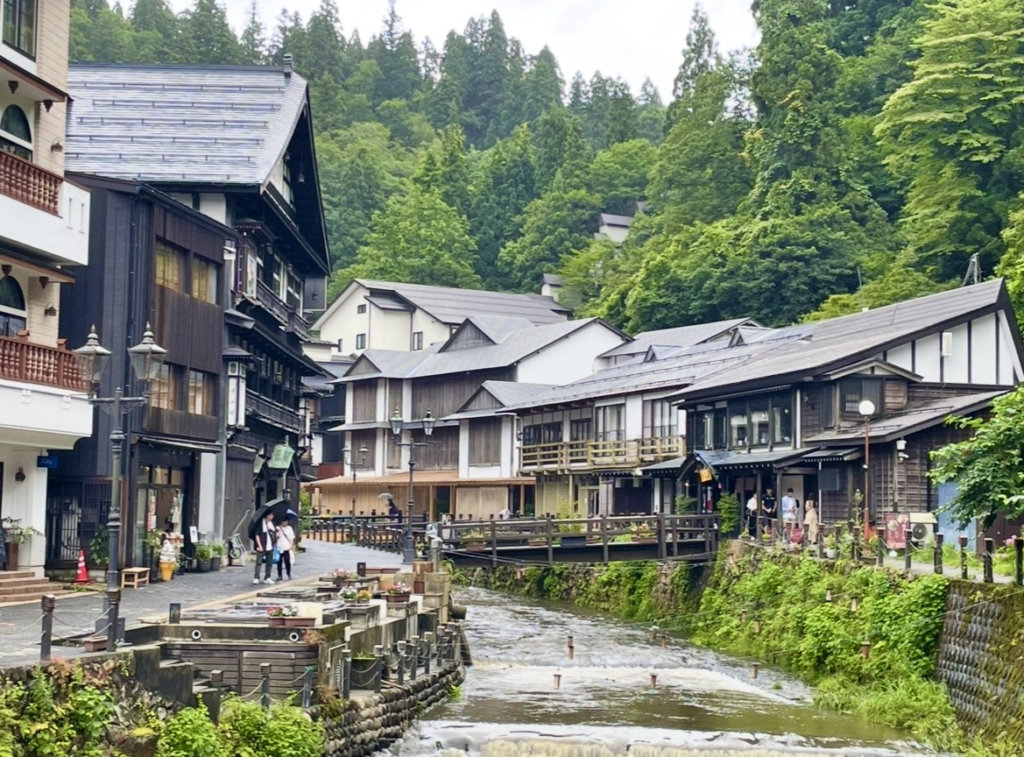
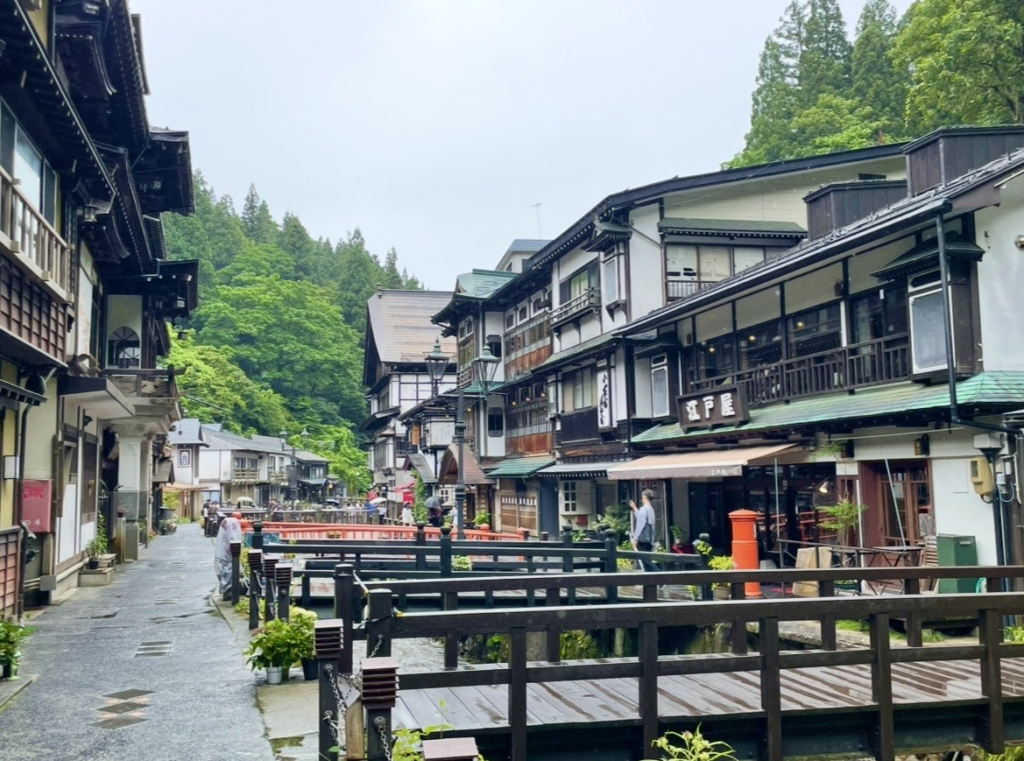
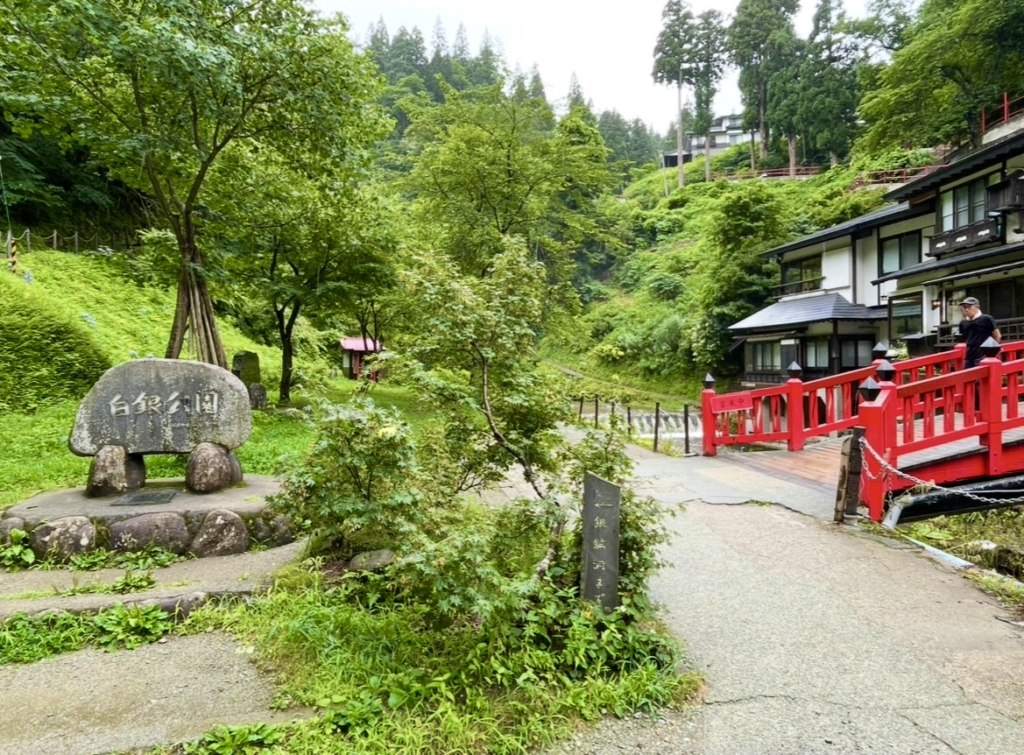
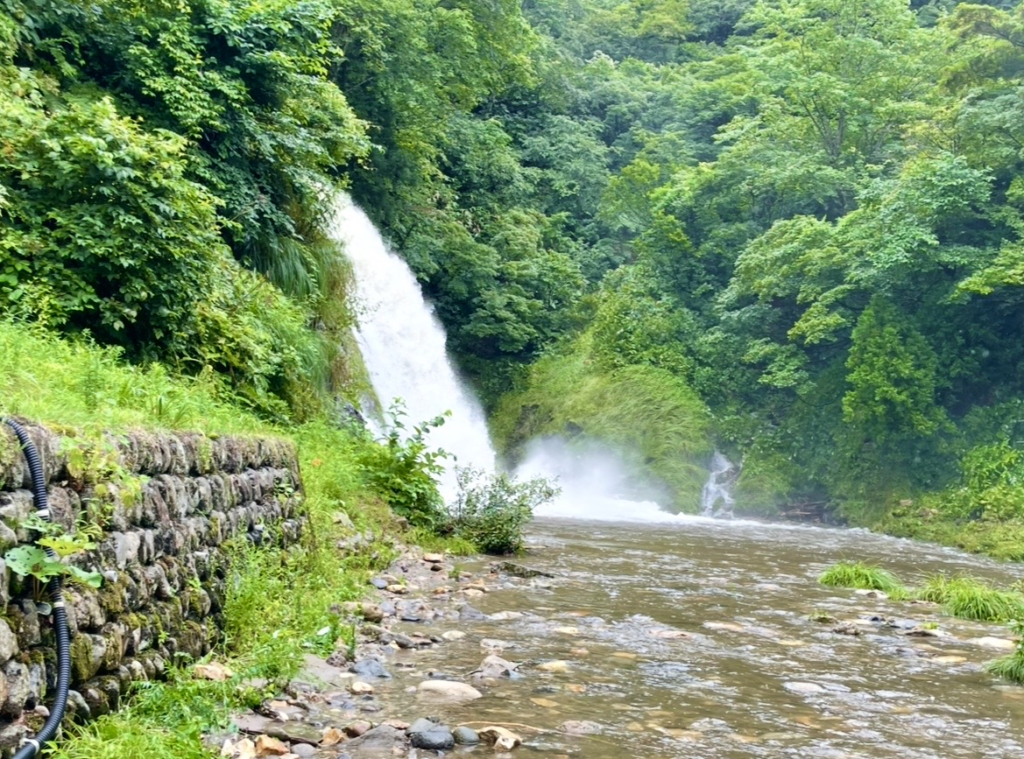
As you walk deeper into the hot spring town, you’ll reach Shirogane Park, where you can view Shirogane Falls up close as it cascades through the forest. On the day I visited, the rain had increased the water flow, and the powerful roar of the waterfall crashing into the basin made for an impressive sight.
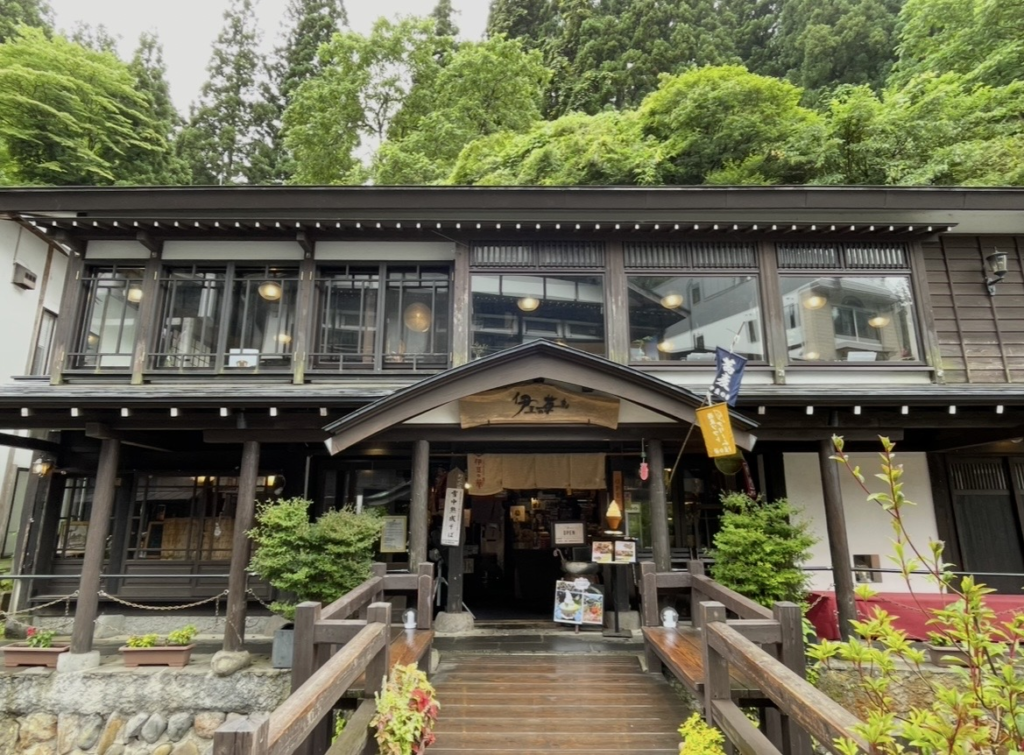
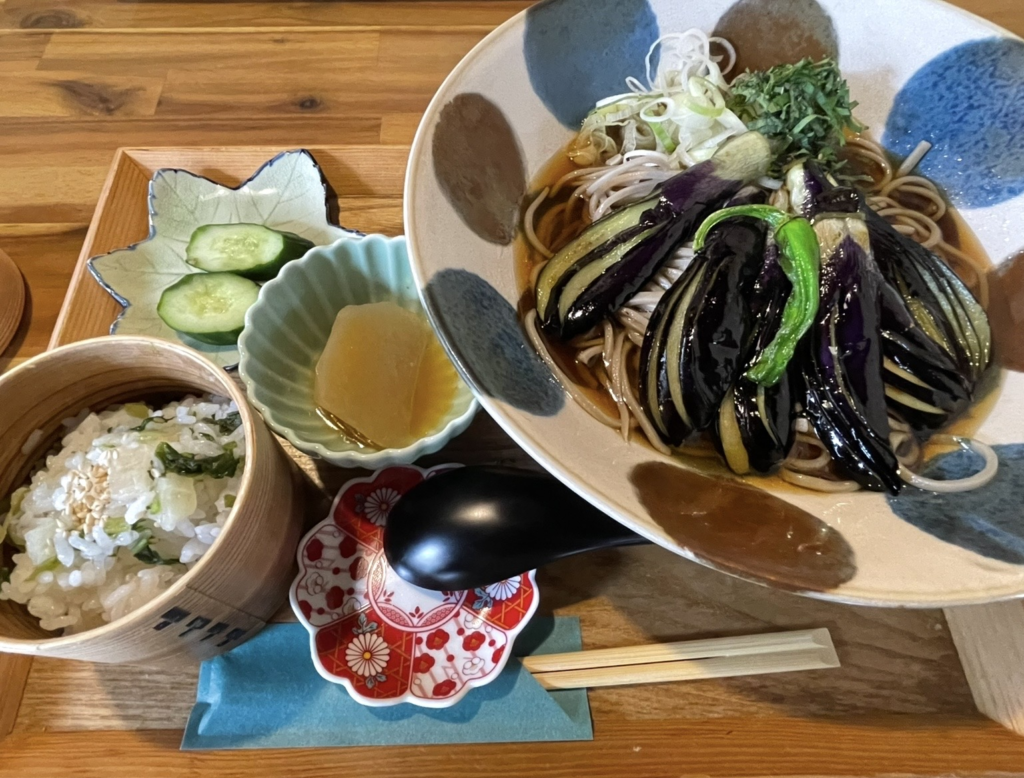
The first place you’ll want to stop for a bite is Izu no Hana. I tried their signature chilled soba topped with fried eggplant and grated daikon, which was perfect for a hot summer day and refreshingly cooled me down.
The set also included Oshin-meshi, a dish inspired by the rice featured in the NHK drama Oshin, adding a touch of storytelling unique to Ginzan Onsen. Beyond soba, the restaurant offers a wide variety of dishes, including generously sized tempura bowls and seasonal sweets, making it an appealing stop for many tastes.
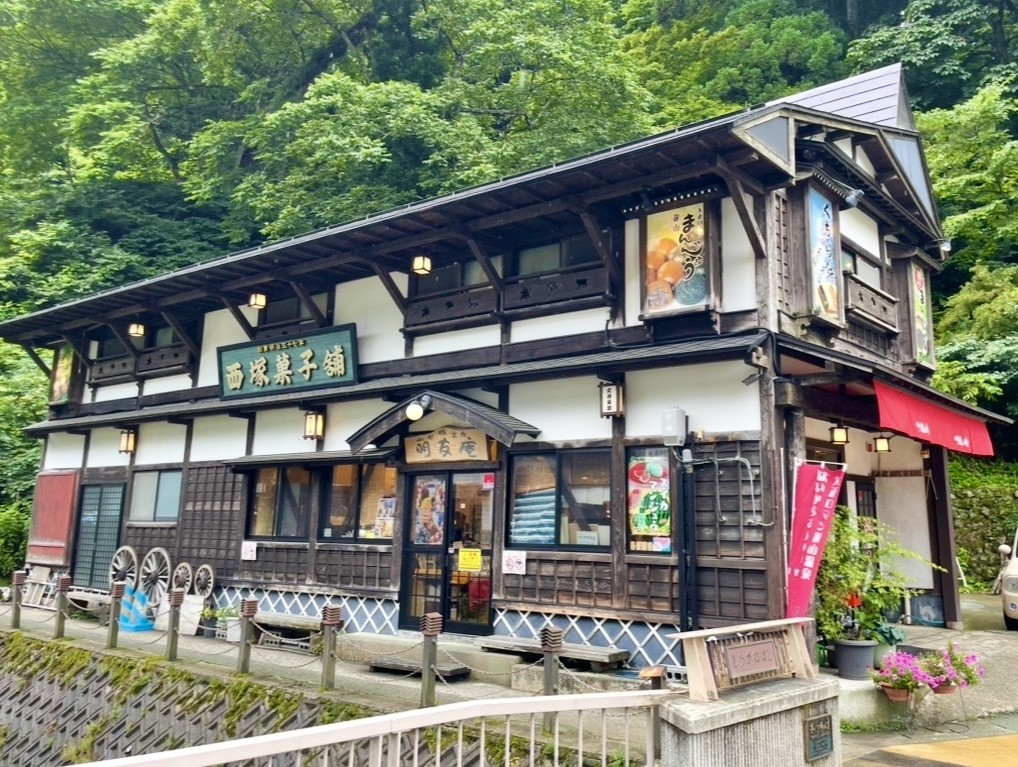
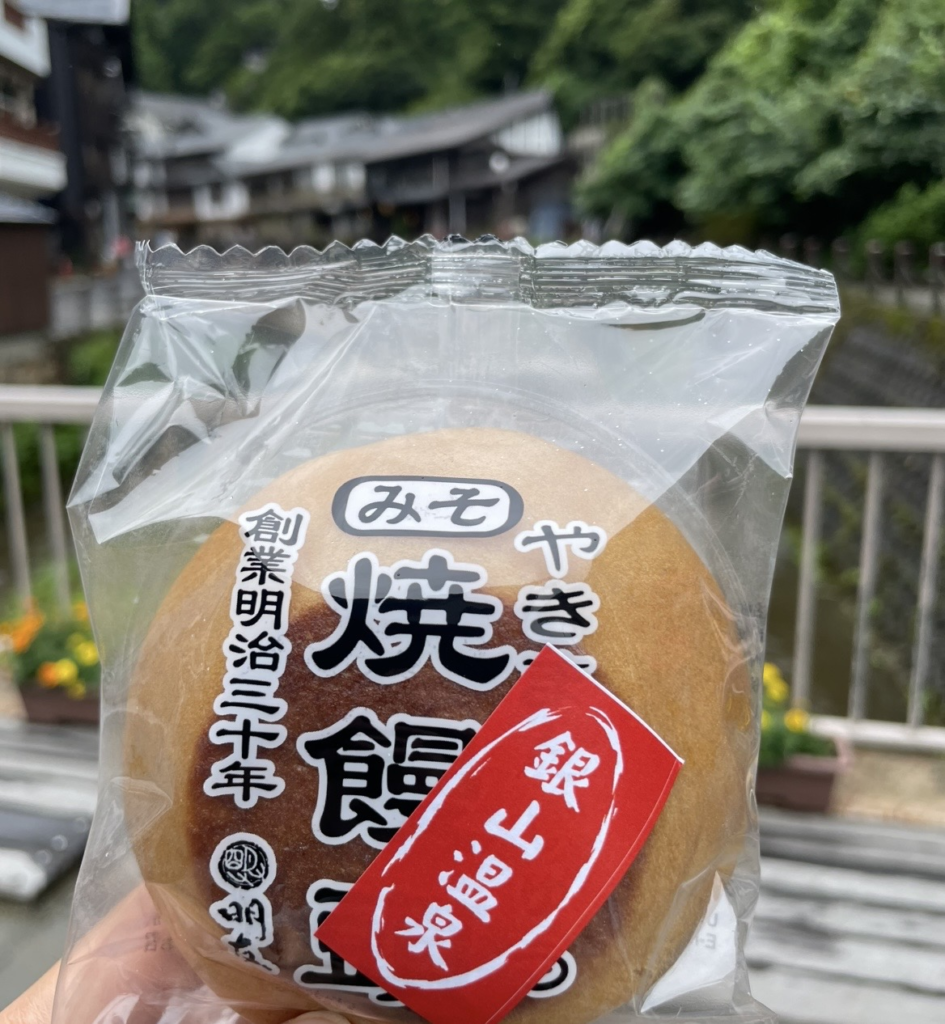
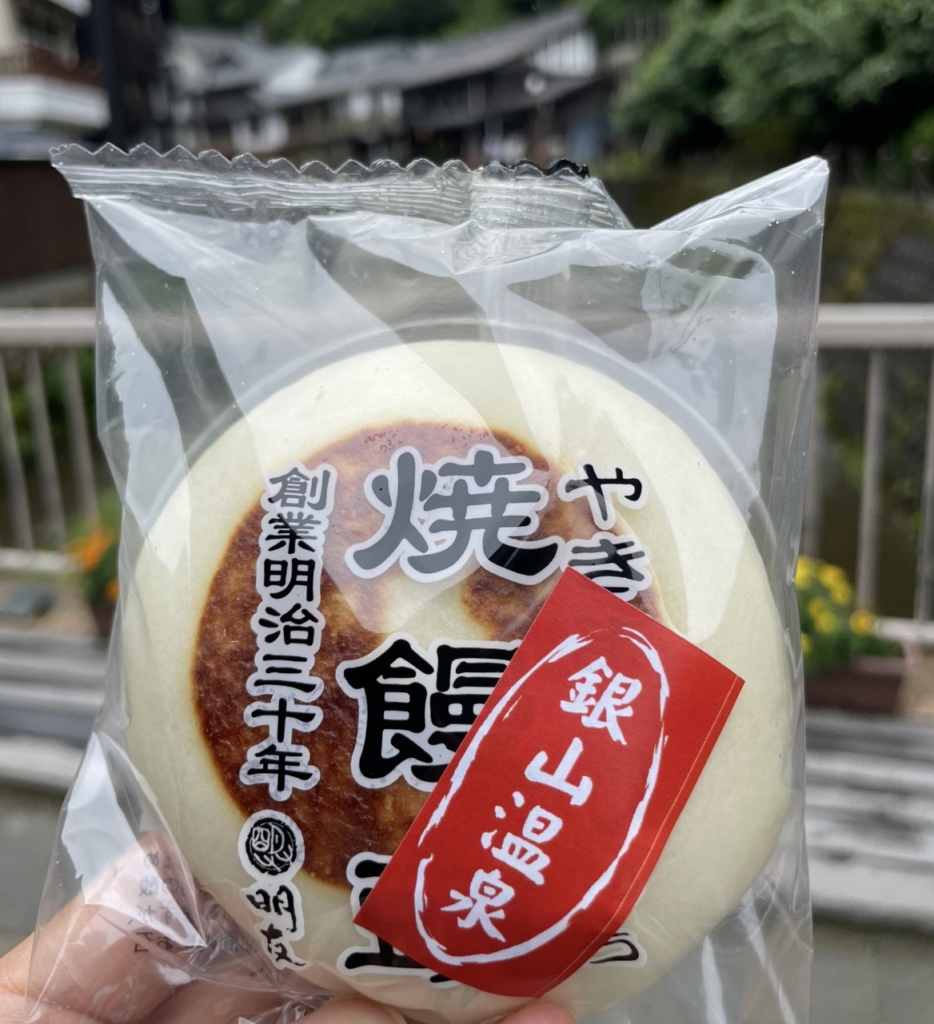
If you’re looking for a small snack, Nishizuka Kashihō, located near the entrance of the hot spring town, is also a great choice. The shop offers a variety of traditional Japanese sweets such as manju and daifuku, and simply browsing inside is enjoyable on its own.
I tried their grilled manju, both the one filled with plenty of chunky red bean paste and the miso‑flavored version filled with white bean paste. Both were wonderfully delicious.
Water Quality and My Actual Bathing Experience
The hot spring water of Ginzan Onsen is a clear, weakly alkaline simple spring, gentle on the skin and known for leaving your body pleasantly warm after bathing. Within the town, you can enjoy the waters even on a day trip at places like the public bath Shirogane-yu, making it easy to experience Ginzan’s soothing hot spring.
However, once I actually got in, I found the temperature to be quite high—more suited for a short, intense soak rather than a long, leisurely bath. My honest impression was simply, “It’s hotter than I expected.”
In many ways, Ginzan Onsen is best enjoyed not just for the hot spring itself, but for the beauty and atmosphere of the town. More than the time spent in the bath, it’s the moments walking along the riverside ryokan, under the glow of gas lamps, that truly capture the charm of this hot spring destination.
Ryokan / Hotels
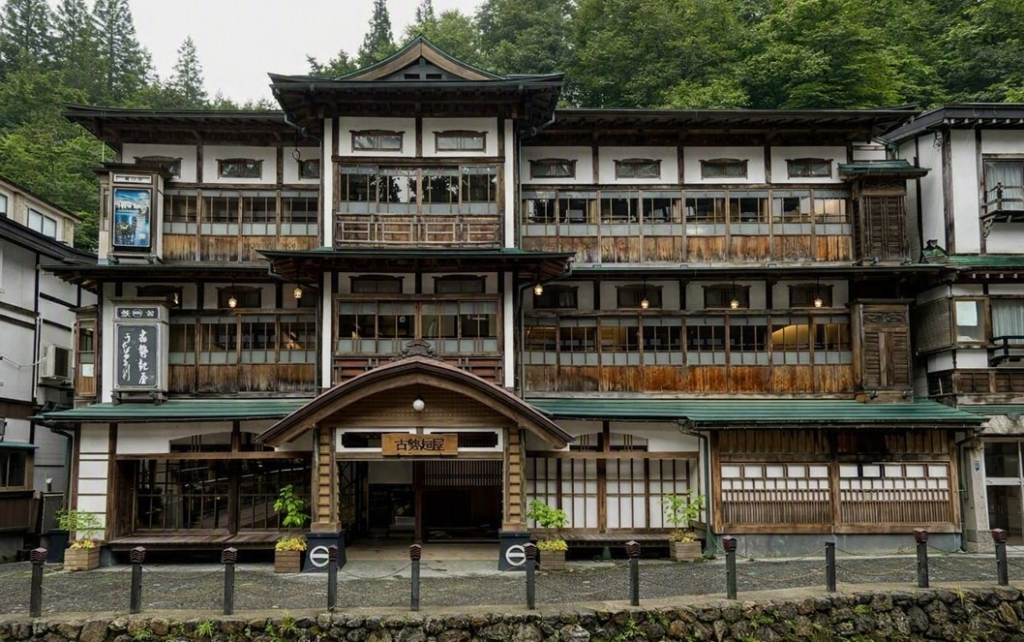
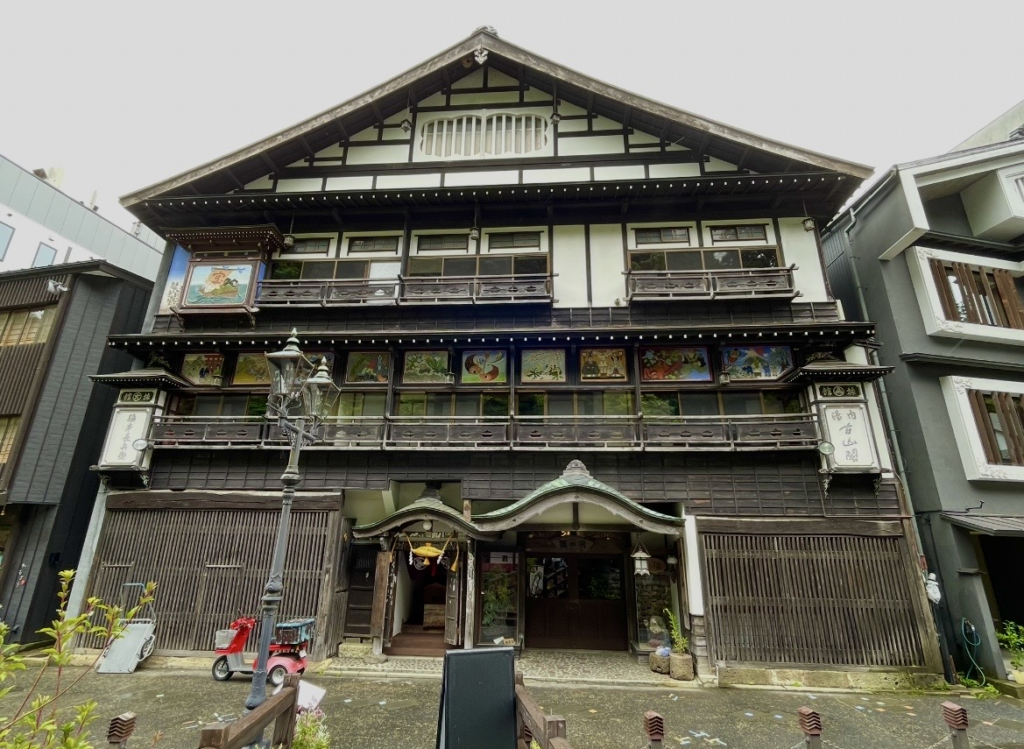
The ryokan in Ginzan Onsen are modest in scale and built to blend seamlessly with the town’s nostalgic streetscape. Because there aren’t many inns to begin with, reservations can be extremely difficult to secure, especially during holidays and peak travel seasons. I started looking well in advance, but every ryokan in Ginzan Onsen was fully booked, and I ultimately wasn’t able to reserve a stay.
Although I couldn’t stay overnight, walking through the town left me with the impression that each ryokan has a charming exterior and likely a calm, refined atmosphere inside. Many inns display welcome signs at their entrances for arriving guests, giving off a warm and inviting feeling that suggests attentive hospitality.
If you want to stay overnight in Ginzan Onsen, making a reservation well in advance is essential. During long holidays or the winter illumination season, competition for rooms is especially high, so it’s best to secure your booking as soon as your travel dates are decided.
Do You Need to Worry About Bears?
Obanazawa City, where Ginzan Onsen is located, lies within a bear habitat, and numerous bear sightings have been reported within a 10‑kilometer radius of the hot spring town. Given its mountain setting, it’s certainly an environment where you shouldn’t let your guard down completely.
That said, the hot spring town itself is lively with visitors, and there is a constant human presence. At least in the area between the town center and Shirogane Falls, I didn’t feel any sense that bears might appear. For typical sightseeing within the town, there’s no need for excessive worry.
However, the situation changes significantly once you go beyond Shirogane Falls. When I visited, almost no other tourists were heading deeper in, and the path was a quiet mountain trail covered by trees. To be honest, it felt like a place where encountering a bear wouldn’t be surprising.
I didn’t go farther than Shirogane Falls, but if you plan to continue deeper into the valley, it’s best to take basic precautions—travel with multiple people, carry a bear bell, and avoid early morning or evening hours. These measures will give you peace of mind.
Tendo Onsen — A Hot Spring Town with Excellent Access and the Perfect Base for Your Trip
Tendo Onsen is an extremely convenient hot spring town that works perfectly as a base for exploring Yamagata. Hotels and ryokan are clustered around the town center, making it easy to travel to nearby attractions and suitable for both sightseeing and business stays.
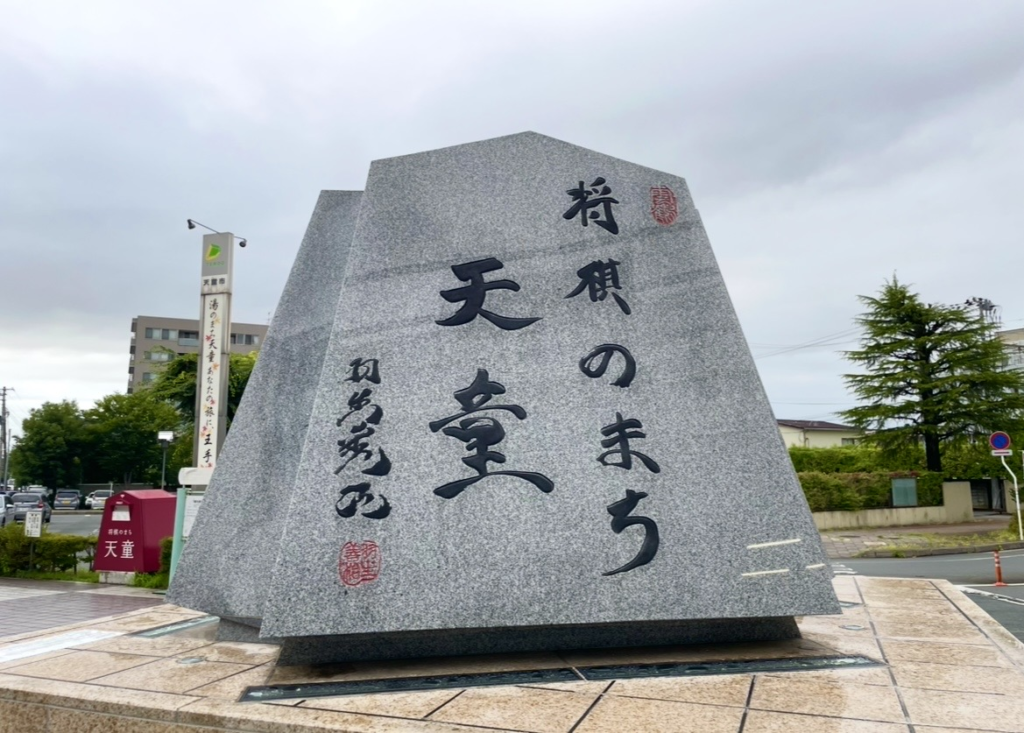
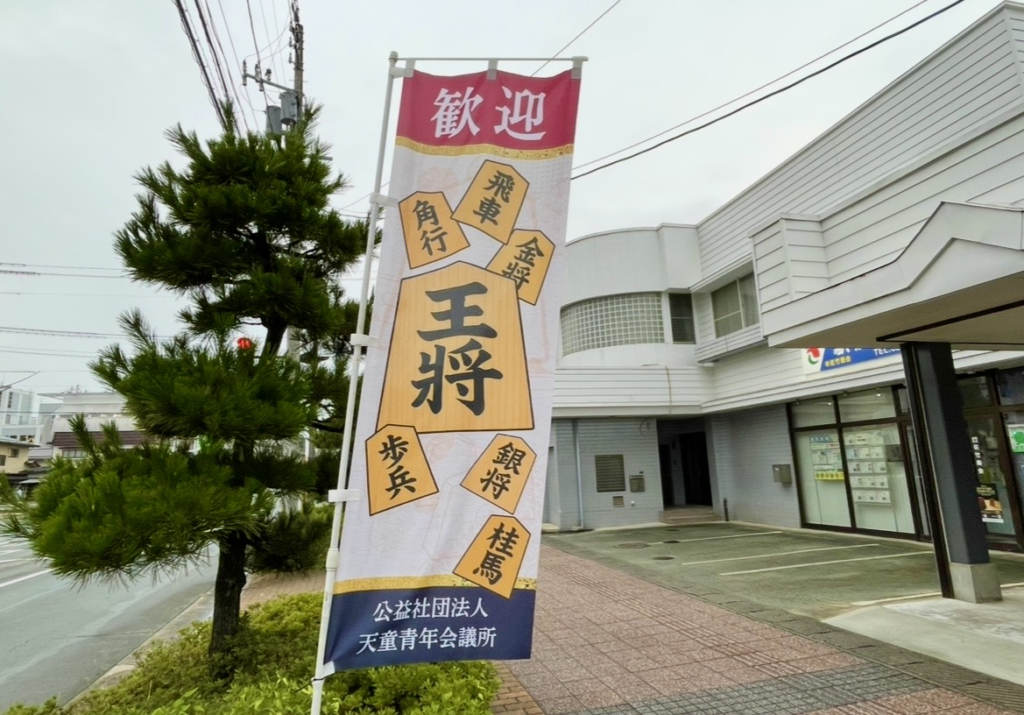
Tendo City is also known nationwide as a major production area for shogi pieces, and you can find shogi‑themed monuments scattered throughout the hot spring district. Simply walking around the town lets you experience the unique culture of Tendo.
While it may not be flashy, Tendo Onsen offers an excellent balance of convenience for travelers and a calm, local atmosphere, making it a comfortable and practical place to stay.
Access to the Hot Spring Town
Tendo Onsen is located in Tendo City, Yamagata Prefecture, in an area with excellent transportation access. The hot spring district is within walking distance from JR Tendo Station, making it very convenient even when traveling by public transportation.
Tendo City offers excellent access to major sightseeing spots within Yamagata Prefecture, and Ginzan Onsen is only about an hour away by car. Because of this, I found Tendo Onsen to be an ideal alternative place to stay when accommodations in Ginzan Onsen are fully booked.
By basing yourself in Tendo Onsen, it’s easy to take day trips to Ginzan Onsen, central Yamagata City, or even Zao Onsen. The town provides great flexibility for planning your itinerary.
Town Walks and Local Food Experiences
Tendo Onsen is located within the city center, so it doesn’t have the “the hot spring town itself is the attraction” atmosphere that Ginzan Onsen is known for. Because of this, I felt it’s not necessarily suited for sightseeing focused on strolling around town or trying local street food. When I asked locals for restaurant recommendations, there didn’t seem to be any particular standout spots, and the area didn’t give the impression of having many well‑known eateries aimed at tourists.
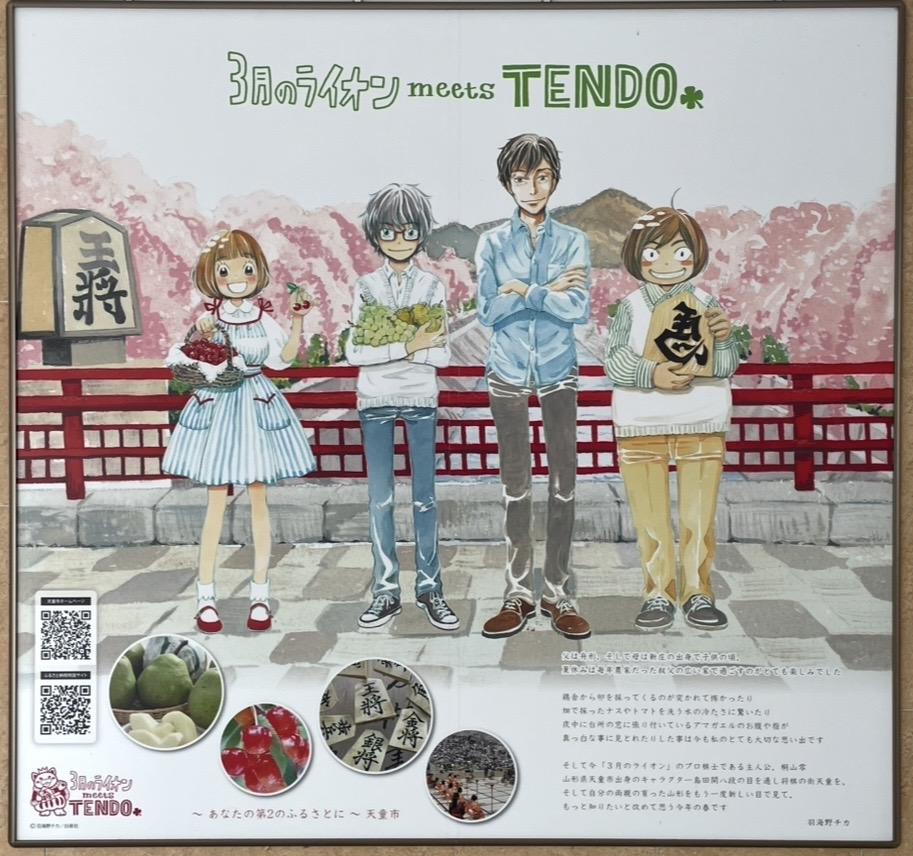
On the other hand, Tendo Onsen has several large, impressive hotels throughout the area, making it better suited for travelers who prefer enjoying their stay and meals within the hotel rather than exploring the town on foot. Tendo City is also famous nationwide as a major production center for shogi pieces — shogi is a traditional Japanese board game similar to chess, which helps international readers understand its cultural significance. You’ll find shogi‑themed monuments and flags all around town, and Tendo even collaborates with the anime March Comes in Like a Lion, which features shogi as a central theme. Walking through the streets naturally gives you a sense of Tendo’s identity as “the town of shogi.”
Water Quality and My Actual Bathing Experience
The hot spring water of Tendo Onsen is primarily a sodium–calcium sulfate spring with a mildly alkaline nature, known for its smooth and light texture. It is gentle on the skin with little stimulation, making it easy to enjoy long, relaxing baths even during breaks in sightseeing or business activities.
When I actually bathed in it, the water temperature felt slightly on the hotter side, yet the texture of the water was soft and natural, blending comfortably onto the skin. It wasn’t overly stimulating, and I felt that it was the kind of hot spring where you can soak slowly for a relatively long time.
Ryokan / Hotels
Tendo Onsen gives the impression of having more large, well‑equipped hotels than traditional, old‑style ryokan. Since the hot spring district blends into the surrounding cityscape, it feels better suited to a travel style centered around enjoying your stay and meals at the hotel rather than exploring a sightseeing‑focused hot spring town like Ginzan Onsen.
The hotel I stayed at, Hohoemi no Yado Takinoyu, has an impressively spacious interior — walking through the lobby and corridors almost feels like taking a small stroll. The meals were luxurious as well, featuring dishes made with Yamagata beef and local specialties such as imoni, a traditional Yamagata stew. Both the atmosphere inside the hotel and the quality of the meals were excellent, making it a place where you can truly enjoy the stay itself.
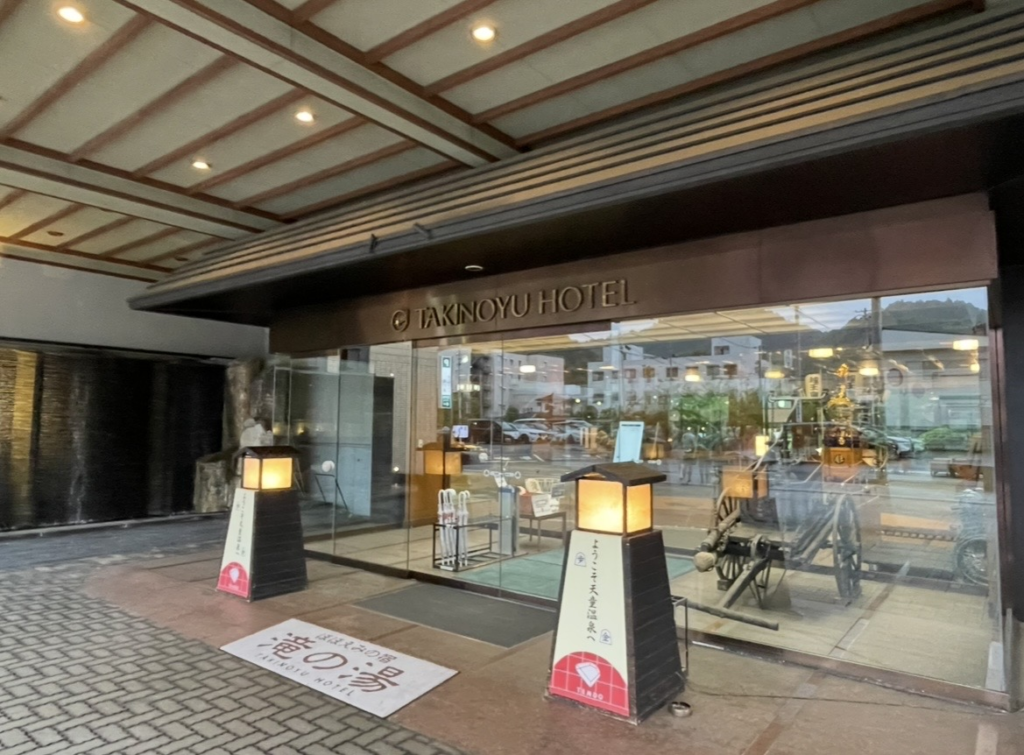
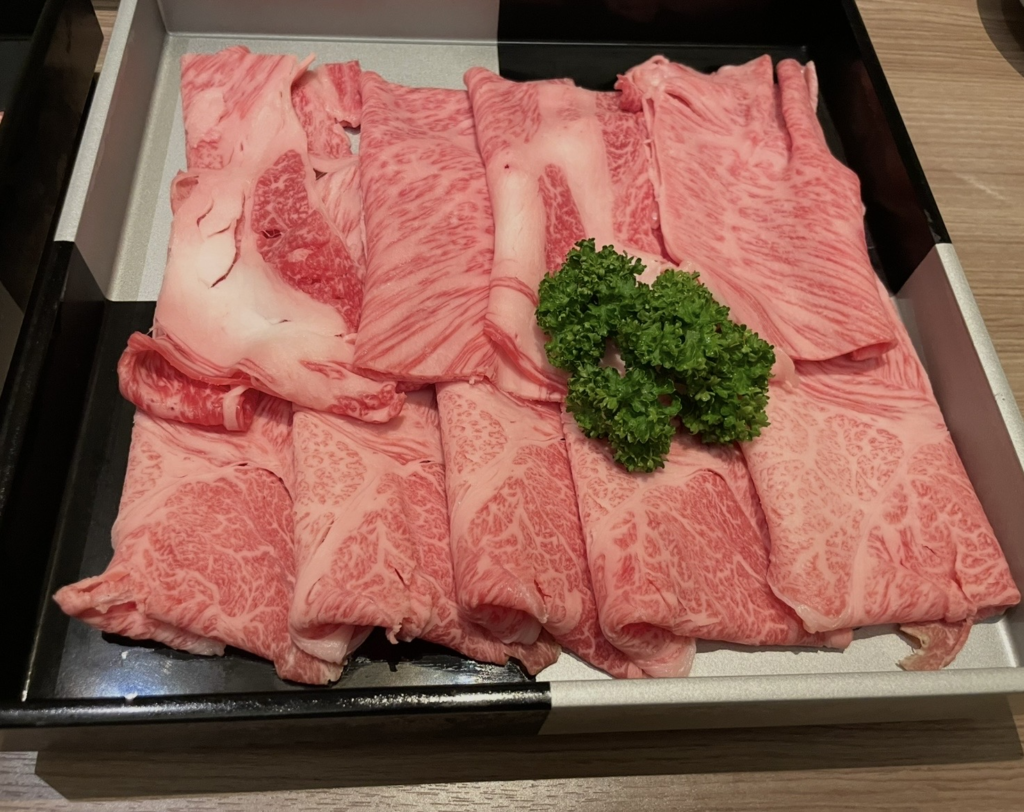
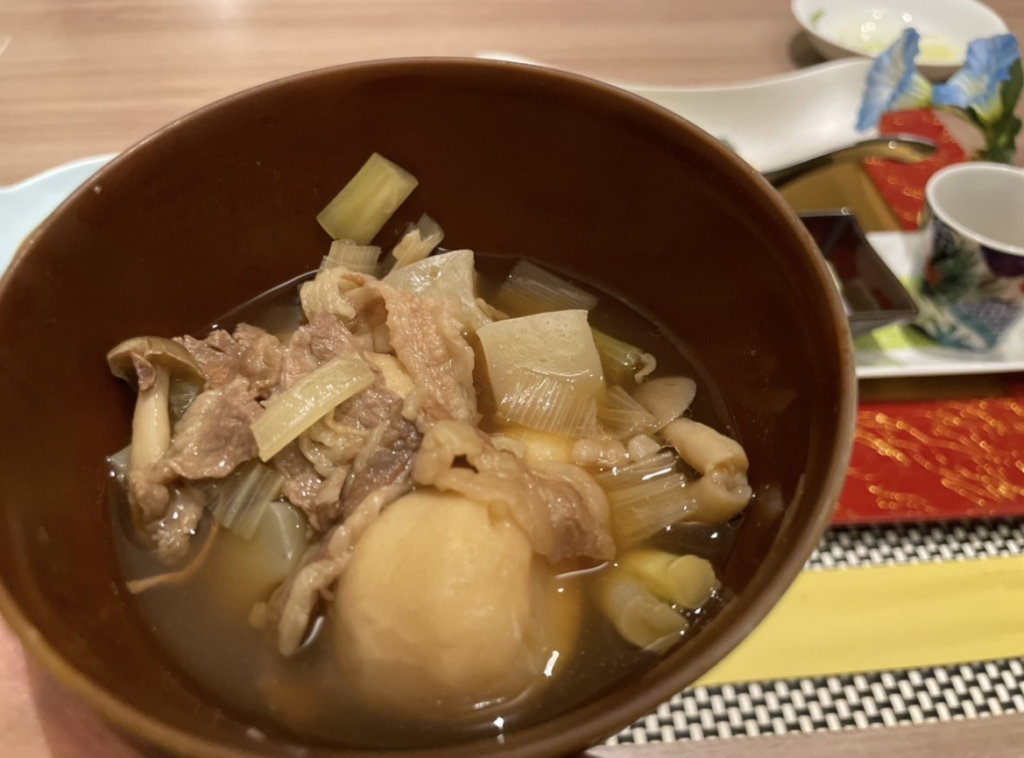
I will introduce Hohoemi no Yado Takinoyu in more detail in a separate article, but staying there reaffirmed my impression that Tendo Onsen is truly a hot spring destination best enjoyed by relaxing at the hotel itself.
Do You Need to Worry About Bears?
The road between Tendo Station and Tendo Onsen has frequent car traffic, and I didn’t feel any particular danger when walking during the daytime. Since the hot spring district is located within the city, visitors moving around during normal hours generally don’t need to worry about bears.
However, bear sightings have been reported in areas around Tendo Onsen, and within roughly a 10‑kilometer radius, sightings occur not only in the mountains but also in semi‑urban zones. Once you move slightly away from the city center, nature becomes much closer, so it’s safer to avoid walking alone during early morning or after sunset when visibility is low.
For typical sightseeing, there’s no need for excessive concern, but being mindful of the time of day and where you walk will help ensure a safe and comfortable visit.
That concludes the content introduced in this article. By visiting three different hot spring areas in Yamagata, I truly realized how diverse the onsen culture can be even within the same prefecture.
What left the strongest impression was the wide variety of ways to enjoy each hot spring town. Some places allow you to savor the hot spring water surrounded by nature, others let you stroll through historic streets and feel the charm of travel, and still others are perfect for relaxing and enjoying a comfortable hotel stay. This diversity — the ability to choose a style that matches your purpose — enriches any trip through Yamagata’s hot spring regions.
For onsen lovers, I highly recommend combining multiple hot spring towns and creating your own personalized Yamagata onsen journey.